-
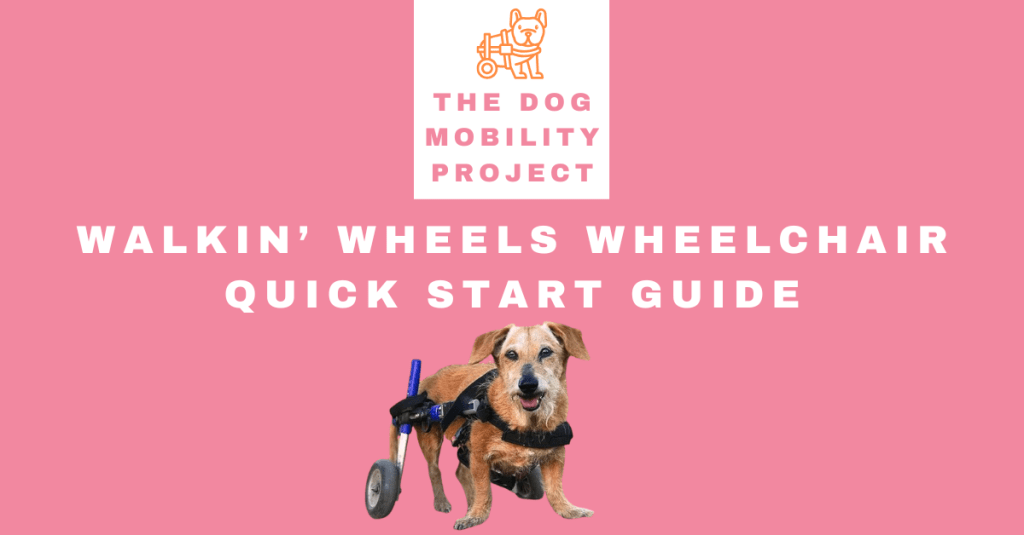 Continue reading →: Walkin’ Wheels Wheelchair: Quick Start Guide
Setting up a dog wheelchair involves assembling the frame, adding leg rings, and fitting a front harness. After placing the dog in the chair, adjustments ensure comfort and natural movement. Short sessions help dogs adapt quickly. With time, many regain mobility, turning a new page in their lives.
-
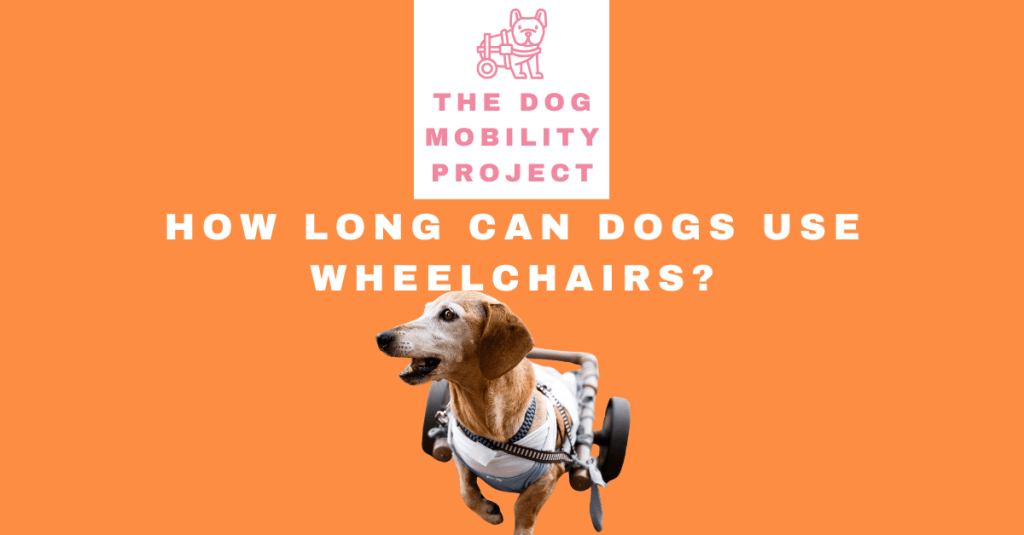 Continue reading →: How Long Can Dogs Use Wheelchairs? What Pet Parents Should Know
Dog wheelchairs enhance mobility for senior, injured, or disabled dogs, allowing for temporary or long-term use based on their condition. They can improve quality of life, and with proper fitting and veterinary guidance, many dogs adapt and thrive. Daily use is feasible, promoting physical and mental well-being. Regular monitoring is…
-
 Continue reading →: Are Dog Wheelchairs Worth It?
Dog wheelchairs, or canine mobility carts, are recommended by veterinarians for dogs facing mobility challenges due to conditions like arthritis, spinal injuries, or neurological disorders. These devices enhance quality of life by improving mobility, reducing pain, and supporting independence. While beneficial, proper fitting and consultation with a vet are essential…
-
 Continue reading →: How Tall Should My Dog’s Wheelchair Be?
Choosing the correct wheelchair height for dogs is crucial for their comfort, mobility, and safety. This guide explains how to accurately measure your dog for proper wheelchair fit, ensuring their back is level, their legs can move naturally, and prevents strain. Adjustable wheelchairs are recommended for changing needs.
-
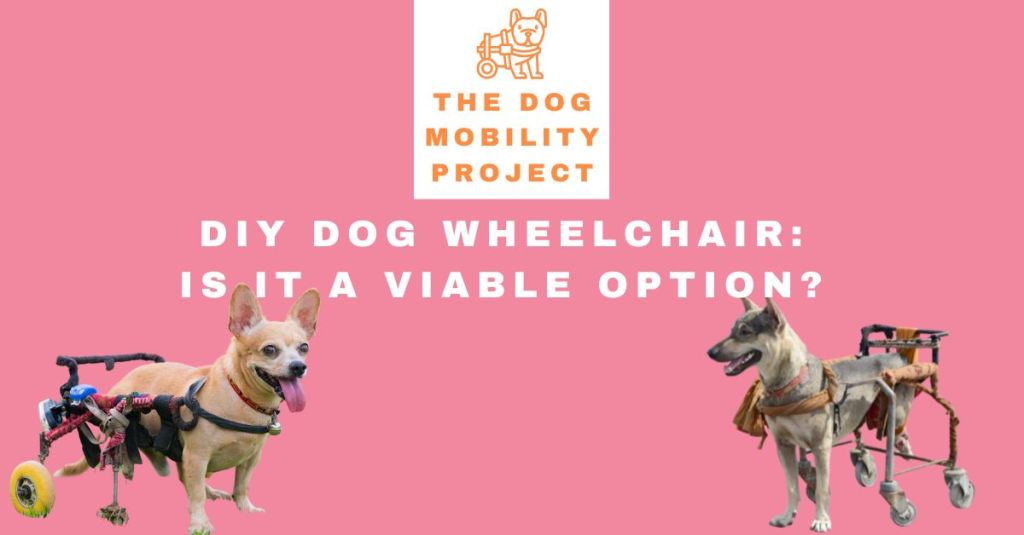 Continue reading →: DIY Dog Wheelchair: Is It a Viable Option?
DIY dog wheelchairs can be cost-effective solutions for pet owners, offering customization and immediate aid. However, challenges like safety, durability, and the need for technical skills can pose risks. Consulting a vet and using quality materials is essential. For complex needs, professionally made wheelchairs are often the safer choice.
-
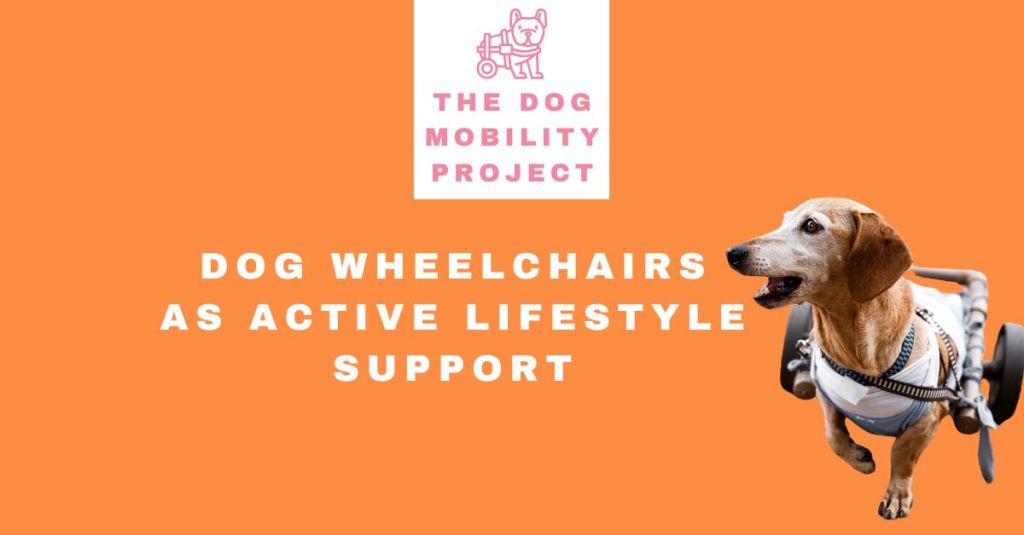 Continue reading →: Dog Wheelchairs as Active Lifestyle Support: Breaking Myths and Boosting Joy
Dog wheelchairs enhance pets’ mobility, countering the misconception that they promote laziness. They help dogs with various conditions regain independence and engage in activities like walking and playing. By facilitating movement, wheelchairs improve emotional well-being and overall quality of life. They empower dogs to lead active, fulfilling lives.
-
 Continue reading →: Helping Senior and Disabled Dogs Safely Navigate Stairs
As dogs age, they may struggle with stair navigation due to mobility challenges. Signs include hesitation, slipping, and needing assistance. To help, add traction, use mobility aids like harnesses or ramps, and modify stairways. For paralyzed dogs, consider harness support or carriers. Consulting a vet for guidance is recommended.
-
 Continue reading →: Why is My Dog Having Trouble Standing or Walking?
As pet owners, we have the ability to notice subtle changes in our dogs’ mobility before they become a serious issue. And it’s our job to pay attention to these shifts in our dog’s behavior and make sure we’re giving them the best care possible. This also means, we are…
-
 Continue reading →: Is it Just Old Age or a Mobility Issue? Recognizing the Signs in Your Dog
As dogs age, observing changes in their mobility is crucial. Symptoms like difficulty standing, shaky legs, or balance issues may indicate serious underlying problems. Early detection can improve their quality of life. Regular vet checkups, dietary supplements, gentle exercise, and mobility aids can significantly support aging dogs’ well-being and activity…
-
 Continue reading →: The Benefits of Drag Bags for Paralyzed Pets
Drag bags are essential for paralyzed pets, enhancing their mobility and quality of life. They protect against injuries, improve hygiene, and provide warmth and comfort. Unlike wheelchairs, drag bags facilitate indoor movement without causing abrasions. Choosing the right fit and material can significantly benefit paralyzed dogs and cats, helping them…
Hello,
I’m Jennifer

Welcome to The Dog Mobility Project. I’ve seen firsthand the transformative power that adaptive equipment can have on a pet’s life. I’ve heard countless pet parents express regret for not discovering dog wheelchairs or other mobility solutions sooner. That’s why The Dog Mobility Project is so close to my heart.
 The Dog Mobility Project