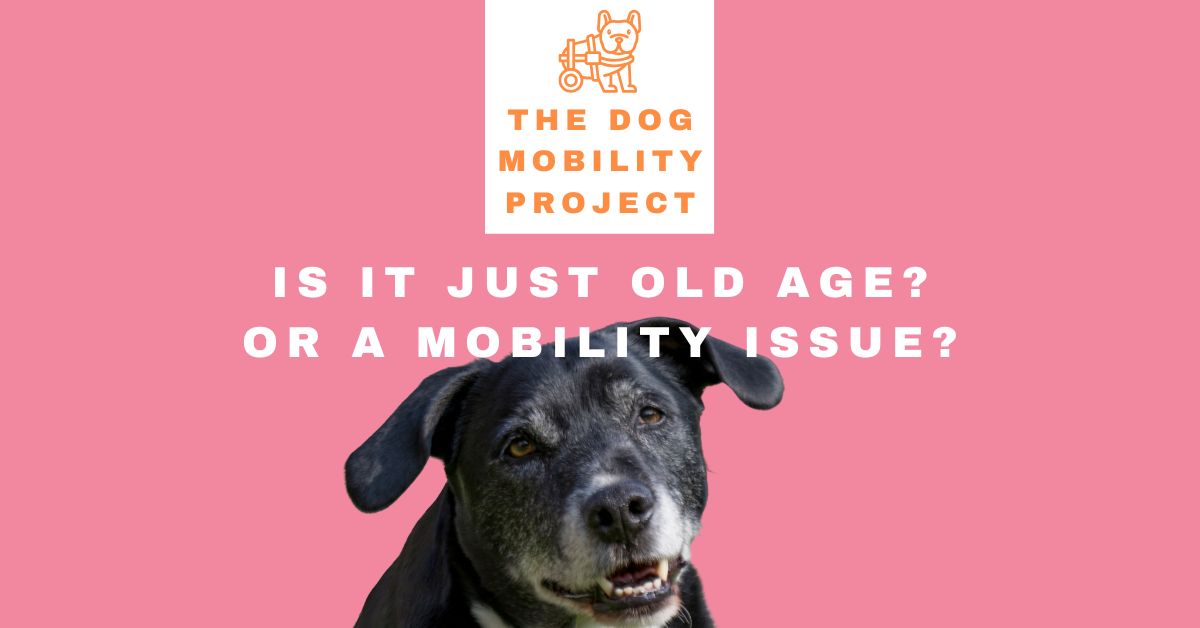
As our dogs age, it’s natural to see changes in their energy levels and activity. Slowing down, sleeping more, and a little stiffness might seem like the normal progression of aging. But how do you know when those changes signal something more serious, like a mobility issue that needs attention?
Many pet parents assume their dog is simply getting older when they struggle to stand up after a nap, have shaky back legs, or suddenly lose their balance. While aging does bring some physical decline, these symptoms can also indicate underlying mobility problems that, if addressed early, can significantly improve your dog’s quality of life.
Normal Aging vs. Warning Signs
A comparison table makes it much easier for owners to interpret what they’re seeing.
| Normal Aging | Possible Mobility Problem |
|---|---|
| Sleeps more than before | Struggles to stand up |
| Walks a little slower | Frequently slips or falls |
| Prefers shorter walks | Stops walking because of pain or weakness |
| Mild gray muzzle | Drags paws or knuckles |
| Needs more rest after exercise | Hesitates on stairs or refuses to climb them |
| Less interested in vigorous play | Difficulty rising after lying down |
Growing older is normal. Persistent pain, weakness, repeated falls, or difficulty moving are not.
Isn’t slowing down just part of getting older?
Not necessarily. While senior dogs often have lower energy levels and may need more rest, significant changes in mobility—such as difficulty standing, slipping, dragging paws, or avoiding stairs—are usually signs of an underlying medical condition rather than aging itself. Many of these conditions, including arthritis and neurological disorders, can be managed more effectively when identified early. Recent veterinary research also emphasizes proactive monitoring of mobility changes rather than assuming they’re an inevitable part of aging
Signs That Shouldn’t Be Ignored
If your dog exhibits any of the following symptoms, it’s time to take a closer look:
- Difficulty Standing Up – If your dog struggles to rise from a resting position, hesitates before getting up, or seems stiff and uncomfortable, it could be a sign of joint pain, arthritis, or muscle weakness. Yes, older dogs can lose muscle mass in their hind end, but it can also be a sign of an underlying issue.
- Shaky Back Legs – Trembling or weakness in the hind legs may indicate a change in your dog’s leg strength. It can also be an early sign of a degenerative joint disease, neurological issues, or even muscle atrophy due to inactivity.
- Loss of Balance or Coordination – Wobbling, stumbling, or unsteady walking can be symptoms of arthritis, vestibular disease, or even a spinal condition.
- Difficulty on the Stairs – A reluctance to climb the stairs or a change in how your dog goes down the stairs, whether descending very slowly or speeding up as they go the stairs, can indicate that your dog has little control over their body. This is an early sign that your dog’s strength or control over their body has changed and should be brought to your veterinarian’s attention.
- Slowing Down on Walks – While senior dogs naturally lose some stamina, a noticeable reluctance to move or lagging behind could mean pain or discomfort. You may also hear (or see) your dog scraping their back toenails. This may cause your dog’s nails to wear unevenly and indicate a neurological condition, such as Degenerative Myelopathy (DM).
- Struggling to Jump in and Out of the Car – It’s normal for an older dog to have a hard time getting into the back of your car, but it can indicate your dog’s strength may have changed or that your dog is dealing with some joint pain.
Why These Signs Matter
Dismissing these signs as “just old age” can lead to a decline in mobility and, ultimately, your dog’s overall well-being. The sooner mobility issues are identified, the better you can manage them with lifestyle adjustments, treatment, and mobility aids. Don’t ignore changes in your dog’s gait; a small change (even a small one) can be an indication of another, more serious issue. If your dog is moving differently, don’t assume its just a normal sign of aging, there might be something you can do to help your dog.
What You Can Do
- Schedule a Vet Checkup – Take note of any behavioral changes, write them down, and share them with your vet. A veterinarian can assess whether your dog’s symptoms stem from aging, arthritis, or another underlying condition.
- Consider Supplements & Diet – Adding a daily joint supplement to your dog’s routine can lubricate the joint, reduce joint inflammation, and ease your dog’s discomfort. Joint-supporting supplements like Glucosamine and Omega-3s can help maintain mobility, while a balanced diet supports muscle strength. I prefer a joint supplement that includes Green-Lipped Mussels, Hyaluronic Acid, and Fish Oils to help stiff joints.
- Encourage Gentle Movement – Low-impact exercises, like short walks and swimming, help maintain muscle mass and prevent stiffness. Structured exercise, such as canine rehabilitation, is a great way to support your dog’s mobility.
- Explore Mobility Aids – Don’t shy away from giving your dog some mobility support. Dog wheelchairs, harnesses, and orthopedic beds can provide additional support and improve comfort. A simple lifting harness can help give your dog a boost when they struggle to stand, need a hand getting into the car, or need help on the stairs.
Your dog’s golden years should be full of love, comfort, and mobility. Paying attention to these signs and taking proactive steps can make a world of difference in keeping your dog happy and active for as long as possible.
Related Articles




Leave a Reply