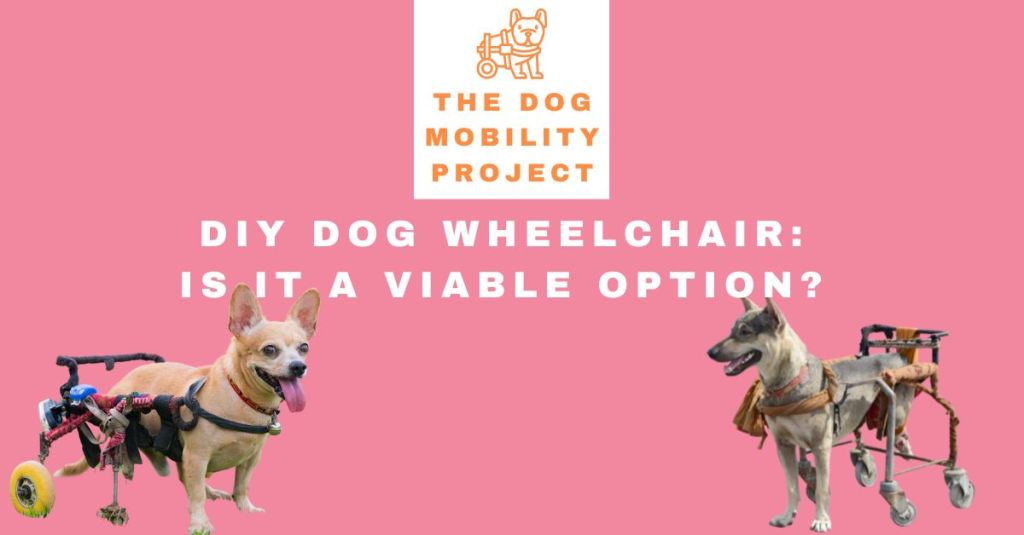
Over my years working for a dog wheelchair company, people often asked about building their own DIY dog wheelchair. But is it a viable option? It can be, if the circumstances are right, but a homemade wheelchair can also have serious drawbacks.
Let’s explore the pros and cons and what you should keep in mind if you’re considering this path.
Quick Answer: Should You Build a DIY Dog Wheelchair?
A DIY dog wheelchair can be a reasonable temporary solution for some dogs, particularly during short-term recovery or while waiting for a professionally fitted mobility cart. However, building a wheelchair that properly supports your dog’s body, maintains correct posture, and prevents pressure sores is more challenging than it appears.
For dogs with long-term mobility issues, progressive neurological diseases, or permanent paralysis, a professionally designed wheelchair is usually the safest and most comfortable option. A properly fitted wheelchair provides better balance, adjustability, and long-term support while reducing the risk of additional injury.
The Appeal of DIY Dog Wheelchairs
The primary reason pet parents consider building a wheelchair for their dog is cost. Custom-made or professionally manufactured dog wheelchairs can be expensive, especially for larger breeds or specialized designs. A DIY approach can be a budget-friendly alternative, particularly if you’re handy and can access the right tools and materials.
Other benefits include:
- Customization: You can design the wheelchair to fit your dog’s unique measurements and needs.
- Immediate Solution: If you’re in a pinch, a DIY wheelchair can provide a temporary mobility aid while you plan for a more permanent solution.
- Satisfaction: There’s a sense of accomplishment in creating something that directly benefits your pet.
Is a DIY Dog Wheelchair Right for Your Dog?
Before gathering materials, consider your dog’s condition and long-term needs.
A homemade wheelchair may be appropriate if your dog:
- Needs temporary mobility support during recovery
- Has mild weakness but can still bear some weight
- Is waiting for a custom wheelchair to arrive
- Requires only short periods of assisted mobility
- Has been evaluated by your veterinarian
A professionally manufactured wheelchair is often the better choice if your dog:
- Has permanent paralysis
- Has Degenerative Myelopathy (DM)
- Has advanced Intervertebral Disc Disease (IVDD)
- Has significant muscle loss
- Requires daily wheelchair use
- Needs front-leg or full-body support
Choosing the right solution isn’t just about cost—it’s about your dog’s comfort, safety, and long-term quality of life.

Materials Commonly Used for DIY Dog Wheelchairs
Many homemade wheelchairs use inexpensive materials that are readily available at hardware stores.
Common materials include:
- PVC pipe for the frame
- PVC elbows and connectors
- Lightweight aluminum tubing
- Bicycle or stroller wheels
- Foam pipe insulation for padding
- Nylon straps or adjustable webbing
- Fabric slings or neoprene for body support
- Nuts, bolts, and axle hardware
- Zip ties for temporary adjustments
The exact materials depend on your dog’s size and the type of support needed, but the finished wheelchair should always be lightweight, stable, and adjustable.
Challenges of Building a DIY Wheelchair
While DIY dog wheelchairs might be the right solution for some families, they come with their own set of challenges:
- Safety Concerns: A wheelchair that is improperly balanced or poorly constructed can cause discomfort, worsen mobility issues, or even lead to injuries.
- Durability: Materials sourced for a DIY wheelchair may not be as sturdy as those used in professionally made options, leading to potential wear and tear.
- Adjustability: Dogs often require adjustments as they grow or if their mobility condition changes. Many DIY designs lack the flexibility to adapt over time.
- Expertise Needed: A certain level of technical skill is required to ensure the wheelchair is functional and safe.

Key Considerations Before You Start
If you’re thinking about building a DIY wheelchair for your dog, here are a few things to keep in mind:
- Measure Accurately: Precise measurements of your dog’s height, width, and length are crucial to ensure a proper fit.
- Use High-Quality Materials: Lightweight yet durable materials, PVC pipes, and sturdy wheels are often used. For smaller dogs, a 3D printer may work to build a cart.
- Consult a Vet: Before starting your project, talk to your veterinarian about your dog’s specific mobility needs and whether a DIY solution is appropriate.
- Follow Reliable Plans: Look for detailed and vetted instructions from trusted sources to guide your build. A lot of information is available online, and not all of them are tried and true.
- Test Thoroughly: Once complete, carefully test the wheelchair to make sure it’s stable and comfortable for your dog and provide them support where they need it.
Keep in mind that a dog wheelchair is a medical device, which means proper alignment, balance, and solid construction are necessary to make sure your dog’s mobility isn’t hindered. Even with the best plans and materials, your homemade wheelchair may not work for your dog.

Five Common DIY Dog Wheelchair Mistakes
Building a wheelchair is only part of the challenge. Improper fit can actually make walking more difficult or even cause additional injuries.
1. Incorrect Height
If the wheels are too high or too low, your dog’s spine won’t remain in a natural position, placing unnecessary strain on the back and shoulders.
2. Poor Weight Distribution
A wheelchair should support your dog’s weight—not shift it entirely onto the front legs. Excessive weight on the shoulders can lead to fatigue and joint problems.
3. Inadequate Chest Support
Improperly positioned harnesses can rub, restrict movement, or place pressure on sensitive areas.
4. Legs Dragging on the Ground
Without proper leg support, paws may drag, increasing the risk of abrasions, bleeding, and further injury.
5. Lack of Adjustability
Many homemade designs can’t be adjusted as your dog’s condition changes. Dogs recovering from surgery or living with progressive diseases often require ongoing adjustments to maintain proper support.
When a DIY Option May Not Be the Best Choice
For dogs with complex mobility issues or unique medical needs, a professionally designed wheelchair might be the better option. Companies specializing in pet mobility aids have the experience and technology to create products that are safe, effective, and tailored to your dog’s requirements.
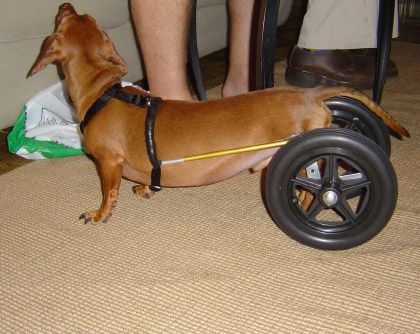
A poorly fitted wheelchair may not provide the right level of support, may chafe your dog, or may cause more harm than good. Additionally, time constraints or a lack of technical skills can make a DIY project overwhelming. In the photo to the right, you’ll see a dachshund using a homemade wheelchair; in this instance, there is little to no support on the dog’s spine, which may cause back strain over time. Three also doesn’t appear to have anything supporting the dog’s hind end; most dog wheelchairs include a rear harness or saddle to support the hind end under your dog’s legs and reduce pressure on the hind end. Although functional, this cart may become uncomfortable for the dog and could put them at risk of chafing and other injuries due to a lack of proper support.
In the long run, it’s worth investing in a ready-made wheelchair. Not only can it save you stress, but a wheelchair designed by experts will ensure your dog gets the best possible support. On multiple occasions, I’ve had people call me to say they only need wheelchair parts because they plan to build their own, and, without fail, they call back in a few weeks to buy one that’s already made. My recommendation is to save yourself time, energy, and regret by buying a wheelchair rather than building one.
Safety Checklist Before Your Dog Uses a DIY Wheelchair
Before every use, make sure:
- ✔ Your dog’s back remains level while standing.
- ✔ The chest harness fits snugly without restricting breathing.
- ✔ The rear legs are properly supported.
- ✔ The paws are protected from dragging.
- ✔ The wheels rotate freely.
- ✔ There are no sharp edges or exposed hardware.
- ✔ Your dog can move comfortably without rubbing or pressure points.
- ✔ Sessions begin with short, supervised walks.
Inspect the wheelchair regularly for loose bolts, worn straps, or damaged components that could compromise safety.
When a DIY Wheelchair Isn’t the Best Option
Although many owners enjoy building equipment for their pets, some situations require more specialized support.
A DIY wheelchair may not be appropriate for dogs with:
- Complete paralysis
- Progressive neurological diseases
- Severe spinal injuries
- Front-leg weakness
- Four-leg mobility impairment
- Significant balance problems
- Rapidly changing mobility needs
In these cases, a professionally fitted wheelchair offers greater stability, better adjustability, and improved long-term comfort.
DIY vs. Professional Dog Wheelchair
| Feature | DIY Wheelchair | Professionally Made Wheelchair |
|---|---|---|
| Initial cost | Lower | Higher |
| Custom fit | Limited | Excellent |
| Adjustability | Usually limited | Highly adjustable (many models) |
| Weight distribution | Depends on design | Engineered for proper support |
| Durability | Varies | Built for long-term use |
| Best for | Temporary use, experienced DIYers | Long-term mobility support |
Tips for Helping Your Dog Adjust to Any Wheelchair
Whether you build your own wheelchair or purchase one, your dog will need time to adapt.
To help them succeed:
- Introduce the wheelchair indoors in a quiet environment.
- Keep the first sessions short—just five to ten minutes.
- Use treats and praise to build confidence.
- Walk on flat, non-slip surfaces at first.
- Never force your dog to continue if they become tired or anxious.
- Gradually increase activity as your dog’s comfort improves.
Many dogs learn to use a wheelchair much faster than their owners expect, especially when the fit is correct and the experience remains positive.
Final Thoughts
A DIY dog wheelchair can be a viable option for pet parents who are resourceful, patient, and willing to put in the work. However, it’s essential to prioritize your dog’s safety and comfort above all else. Whether you choose to build or buy, the goal is the same: to give your furry friend the mobility and quality of life they deserve.
Have you built a DIY wheelchair for your dog, or are you considering it? Share your experiences and tips with our community—we’d love to hear your stories!
Frequently Asked Questions About DIY Dog Wheelchairs
Can I make a dog wheelchair myself?
Yes, many pet owners successfully build homemade dog wheelchairs using materials such as PVC pipe, aluminum tubing, and bicycle or stroller wheels. A DIY wheelchair can be a practical short-term solution for some dogs, especially during recovery or while waiting for a professionally made wheelchair. However, achieving the correct fit and support can be challenging, and every homemade wheelchair should be tested carefully before regular use.
Are homemade dog wheelchairs safe?
A homemade wheelchair can be safe if it is properly designed, correctly fitted, and used under supervision. The wheelchair should support your dog’s body without causing pressure points, rubbing, or poor posture. If your dog appears uncomfortable, drags their paws excessively, or struggles to balance, discontinue use and consult your veterinarian.
What materials are commonly used to build a DIY dog wheelchair?
Many DIY wheelchairs are built using inexpensive materials available at hardware stores.
Common materials include:
- PVC pipe and fittings
- Lightweight aluminum tubing
- Bicycle, stroller, or lawn mower wheels
- Foam padding
- Nylon straps or harnesses
- Fabric slings
- Nuts, bolts, and axle hardware
The materials you choose should be lightweight, durable, and able to support your dog’s weight safely.
Can I build a dog wheelchair from PVC pipe?
Yes. PVC pipe is one of the most popular materials for homemade dog wheelchairs because it is lightweight, inexpensive, and easy to cut and assemble. However, PVC frames may not provide the same durability or adjustability as professionally manufactured aluminum wheelchairs, particularly for larger dogs or long-term use.
How do I measure my dog for a DIY wheelchair?
Accurate measurements are essential for a safe fit. Most DIY wheelchair plans require measurements such as:
- Height from the ground to the groin
- Width of the hips or chest
- Body length
- Distance between the front and rear legs
- Weight
Taking accurate measurements helps ensure your dog’s spine remains level and that the wheelchair supports their body comfortably.
How do I know if a homemade wheelchair fits correctly?
A properly fitted wheelchair should allow your dog to stand in a natural position with a level back and comfortable posture. The harness should be snug without restricting breathing, and your dog’s paws should clear the ground unless your veterinarian recommends otherwise. If you notice rubbing, poor balance, or difficulty moving, adjustments should be made before continued use.
Can my dog use a DIY wheelchair permanently?
While some owners successfully use homemade wheelchairs long term, they are generally best suited for temporary use or dogs with mild mobility challenges. Dogs with permanent paralysis, progressive neurological diseases, or complex orthopedic conditions usually benefit from professionally designed wheelchairs that offer greater adjustability, durability, and long-term comfort.
Will a homemade wheelchair help my dog recover?
A wheelchair can help maintain mobility, reduce muscle loss, and improve quality of life, but it is not a cure for the underlying condition. Recovery depends on your dog’s diagnosis, treatment plan, and rehabilitation program. Many dogs benefit most from combining wheelchair use with physical therapy, medication, and regular veterinary care.
What conditions can a DIY dog wheelchair help with?
A homemade wheelchair may provide temporary support for dogs recovering from surgery or managing conditions such as:
- Weak back legs
- Arthritis
- Hip dysplasia
- Intervertebral Disc Disease (IVDD)
- Degenerative Myelopathy (DM)
- Spinal injuries
- Temporary paralysis
Your veterinarian can help determine whether a wheelchair is appropriate for your dog’s condition.
When should I choose a professionally made wheelchair instead?
A professionally manufactured wheelchair is usually the better choice if your dog:
- Has permanent paralysis
- Needs daily wheelchair use
- Has front-leg weakness or requires full-body support
- Has a progressive neurological disease
- Has developed pressure sores or balance problems
- Requires a highly adjustable fit
Professionally designed wheelchairs are engineered to provide proper weight distribution, long-term durability, and greater comfort, making them a worthwhile investment for many dogs.
Will my dog learn to use a wheelchair?
Most dogs adapt surprisingly quickly once they realize the wheelchair allows them to move comfortably again. Some dogs begin walking within minutes, while others need several short training sessions. Positive reinforcement, patience, and supervised practice can help your dog build confidence and enjoy using their new mobility aid.
Is a DIY dog wheelchair less expensive than buying one?
Yes. A DIY wheelchair can often be built for a fraction of the cost of a professionally manufactured model. However, lower upfront costs should be weighed against factors such as durability, adjustability, comfort, and your dog’s long-term mobility needs. For dogs requiring daily or lifelong support, a professionally fitted wheelchair is often the more cost-effective choice over time.




 The Dog Mobility Project
Leave a comment