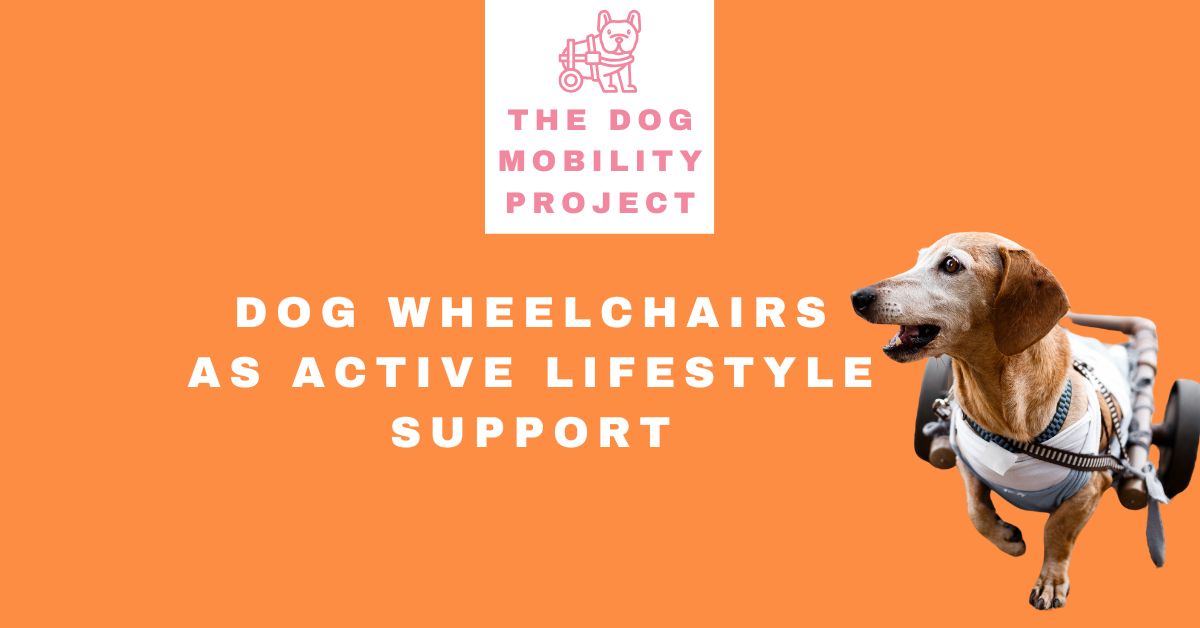
Dogs in Wheelchairs Can Still Live Active, Joyful Lives
One of the biggest misconceptions about dog wheelchairs is that they mark the end of an active life. When people first hear about dog wheelchairs, a common misconception often surfaces: “Won’t a wheelchair make my dog lazy?”
In reality, for many dogs, a wheelchair represents a new beginning.
Whether a dog is recovering from surgery, living with degenerative myelopathy (DM), managing arthritis, or adapting to a spinal cord injury, a properly fitted wheelchair can help restore something incredibly important: the freedom to move.
While a wheelchair can’t cure the underlying condition, it can help many dogs continue doing the things they love—exploring new trails, greeting family members at the door, playing in the yard, and enjoying longer walks with the people who care about them.
The goal isn’t to replace movement. It’s to make movement possible again.
It’s an understandable question since most people have only seen human wheelchairs used as mobility aids for individuals who can no longer walk. So we have this preconceived idea that once you’re in a wheelchair, you’ll never use your legs again. That wheelchairs = wasting away and losing muscle mass. But when it comes to dogs, the reality is far different. Wheelchairs will not make your dog lazy; they will help them to walk again.
Far from being limiting, dog wheelchairs are transformative tools that help dogs walk, run, and stay active longer. Yes, paralyzed dogs use wheelchairs, but not every dog that benefits from a cart is paralyzed. Some can still use their back legs but need help standing and walking.
Why Do Dogs Use Wheelchairs?

Dogs may need wheelchairs for a variety of reasons, including:
- Degenerative conditions like Intervertebral Disc Disease (IVDD) or Degenerative Myelopathy (DM).
- Injury or recovery from surgery.
- Congenital disabilities or amputations.
- Arthritis or age-related mobility challenges.
In all these scenarios, a dog can greatly benefit from using a cart. The wheelchair’s purpose is to support your dog and help them stay active, not to limit them. A wheelchair empowers dogs to regain their independence and engage in the activities they love.
The Active Lifestyle Myth

The notion that a wheelchair could make a dog lazy stems from the assumption that a wheelchair reduces a dog’s need to use their muscles. However, the opposite is true. Change your perception of what a dog wheelchair is. Instead of a wheelchair, think of your dog’s cart like a walker. Your dog’s wheelchair supports your dog’s weight, helps your dog stay upright, and maintains their balance while walking, much like a walker helps people to get around without fear of falling down.
Dog wheelchairs encourage dogs to:
- Walk and run: Wheelchairs provide support for weakened or paralyzed limbs, enabling dogs to move around comfortably.
- Play: Many wheelchair users enjoy games of fetch, chase, or simply exploring their environment.
- Exercise regularly: Increased mobility leads to healthier joints, better circulation, and weight management.
In essence, a wheelchair restores the ability to move. The wheelchair supports a dog’s hind end from underneath, allowing the dog to stand upright in a natural position without placing too much strain on its legs. Wheelchairs reduce the pressure a dog places on their hips, knees, and back legs. So that a dog dealing with a torn ACL or hip pain may find it easier to move pain-free. Their feet can still touch the ground, and they can still move their legs, but the wheelchair supports the bulk of their weight and reduces the pressure on the dog’s back legs. Allowing them to walk without further injuring themselves or placing too much weight on legs that can’t support them.
How Wheelchairs Enhance Happiness
Mobility directly impacts a dog’s emotional well-being. Dogs thrive on exploration, interaction, and play, all of which are curtailed when mobility is restricted. By enabling movement:
- Dogs experience less frustration and boredom.
- They maintain their social bonds by participating in family activities.
- They regain a sense of purpose and independence.
A dog’s happiness is intrinsically tied to their ability to run, play, and enjoy their family. Your dog’s wheelchair gives them back everything they love.
Mobility Is About More Than Walking
When people think about mobility, they often picture a dog simply getting from one place to another.
But mobility affects nearly every part of a dog’s life.
The ability to move comfortably influences how dogs:
- Explore their environment
- Play with family members
- Interact with other dogs
- Exercise and maintain muscle strength
- Build confidence
- Stay mentally stimulated
When mobility declines, dogs don’t just lose physical ability—they can lose opportunities to participate in everyday life.
Helping a dog stay mobile is ultimately about preserving independence and engagement, not just increasing the number of steps they take.
What Can Dogs Do in a Wheelchair?
One of the first questions many pet parents ask is:
“Will my dog still be able to enjoy life?”
For many dogs, the answer is yes.
Depending on their condition and your veterinarian’s recommendations, dogs using wheelchairs may enjoy:
- Daily neighborhood walks
- Exploring parks and nature trails
- Visiting the beach
- Playing gentle games of fetch
- Camping and RV trips
- Family vacations
- Outdoor festivals
- Rehabilitation exercises
- Spending more time outside with the family
A wheelchair doesn’t have to limit adventure—it often makes adventure possible again.
The Emotional Benefits of Staying Active
The physical benefits of exercise are easy to recognize, but the emotional benefits can be just as meaningful.
Many owners notice positive changes after introducing a wheelchair, including:
- Greater enthusiasm for walks
- Increased curiosity
- More interaction with family members
- Less frustration when moving around
- More willingness to explore
- Improved confidence
Every dog is different, but regaining the ability to participate in daily routines can have a profound impact on overall well-being.
Breaking the “Retirement” Myth
Some owners worry that introducing a wheelchair means their dog is entering the final stage of life.
In reality, many veterinarians and canine rehabilitation professionals recommend wheelchairs because they help dogs remain active—not because activity is over.
For some dogs, a wheelchair is used temporarily during recovery.
For others, it becomes part of a long-term mobility plan that allows them to continue hiking, exploring, and enjoying everyday adventures for months or even years.
A wheelchair isn’t about slowing life down.
It’s about helping your dog continue living it.
How to Keep Adventures Safe
While wheelchairs open new possibilities, safety should always come first.
Before heading out:
- Check the wheelchair fit.
- Inspect harnesses and straps.
- Avoid extreme heat.
- Bring water.
- Watch for signs of fatigue.
- Take frequent breaks.
- Choose terrain appropriate for your dog’s abilities.
Remember that the goal isn’t covering the greatest distance—it’s creating enjoyable experiences that build confidence.
Every Dog’s Adventure Looks Different
Not every dog using a wheelchair will run across a field or complete a mountain hike.
For one dog, success may mean walking around the block again.
For another, it may mean greeting visitors without collapsing.
Some dogs rediscover a love of the outdoors.
Others simply enjoy being able to move comfortably around the house.
The definition of an active life is different for every dog, and that’s perfectly okay.
What matters most is helping your dog continue participating in the moments that make them happiest.
Real Signs Your Dog Is Thriving
Owners often ask how they can tell whether a wheelchair is improving their dog’s quality of life.
Positive signs may include:
✓ Excitement when the wheelchair comes out.
✓ A willingness to walk farther than before.
✓ Tail wagging during walks.
✓ Curiosity about new places.
✓ Increased interaction with family.
✓ Better endurance over time.
✓ A return to favorite activities.
These small victories are often the clearest indication that your dog is benefiting from increased mobility.
Tips for Success with a Dog Wheelchair
To make sure that your dog takes to a life on wheels, there are a few simple things that will help ease the transition and make sure the wheelchair works for them, including:
- Choose the right fit: Ensure the wheelchair is properly sized for your dog’s breed, weight, and mobility needs.
- Introduce gradually: Give your dog time to adapt to the device with short sessions and plenty of positive reinforcement.
- Monitor their activity: Encourage a balance of activity and rest to prevent overexertion.
- Maintain the cart: Regularly check the wheelchair for wear and tear to ensure your dog’s comfort and safety.
Final Thoughts
A dog wheelchair isn’t about focusing on limitations.
It’s about creating opportunities. Opportunities to explore. To exercise. To spend time with family. To experience new adventures. And, most importantly, to continue enjoying life.
While every dog’s journey is unique, many families discover that a wheelchair doesn’t mark the end of an active lifestyle—it opens the door to a new one.
Related Articles
- Adjustable Dog Wheelchairs: The Best Option for Long-Term Mobility Support
- Empowering Your Dog’s Mobility: 5 Must-Know Facts About Dog Wheelchairs
- Will Dog Wheelchairs Make Dogs Weaker Over Time?
- Why Waiting on a Dog Wheelchair May Cost More Than You Think
- Everything You Need to Know About Dog Wheelchairs




Leave a Reply