-
 Continue reading →: Best Dog Wheelchair for Small Breeds: Top Options, Sizing & Buying Guide
Looking for the best dog wheelchair for a small breed? Compare lightweight, adjustable wheelchairs for Chihuahuas, Dachshunds, Yorkies, and other small dogs, plus learn how to measure for the perfect fit.
-
 Continue reading →: At-Home Physical Therapy for Dogs: 7 Exercises to Improve Strength and Mobility
Learn 7 safe at-home physical therapy exercises for dogs to improve strength, balance, flexibility, and mobility. Ideal for senior dogs, arthritis, IVDD recovery, and weak back legs.
-
 Continue reading →: Dog Wheelchair vs Harness: Which Mobility Aid Is Right for Your Dog?
Not sure whether your dog needs a wheelchair or a harness? Compare the benefits, limitations, costs, and best uses for each mobility aid to choose the right support for your dog’s condition.
-
 Continue reading →: How to Help a Senior Dog With Weak Back Legs Walk Again: A Step-by-Step Guide
Learn how to help a senior dog with weak back legs walk again using safe exercises, home modifications, pain management, physical therapy, and mobility aids that improve strength and confidence.
-
 Continue reading →: How to Choose the Right Dog Mobility Aid
Learn how to choose the right dog mobility aid based on your dog’s condition, mobility level, and lifestyle. Compare wheelchairs, harnesses, drag bags, boots, and other mobility products to find the best solution.
-
 Continue reading →: 10 Myths About Special Needs Dogs Every Future Pet Parent Should Know
Thinking about adopting a special needs dog? Discover the truth behind 10 common myths about disabled dogs and learn why they can live happy, active, and fulfilling lives with the right care.
-
 Continue reading →: When to Get a Dog Wheelchair: Is It Too Soon or Too Late?
Wondering when to get a dog wheelchair? Learn the early signs your dog may benefit from a wheelchair, why waiting too long can reduce mobility, and how to choose the right time to improve your dog’s quality of life.
-
 Continue reading →: Will a Dog Wheelchair Make My Dog Weaker? The Truth About Muscle Loss and Mobility
Will a dog wheelchair make your dog weaker? Learn the truth about muscle atrophy, wheelchair dependence, rehabilitation, and how proper wheelchair use can help dogs stay active and maintain strength.
-
 Continue reading →: Walkin’ Wheels Quick Start Guide: How to Assemble, Adjust & Fit Your Dog’s Wheelchair
Learn how to assemble, adjust, and fit your Walkin’ Wheels dog wheelchair with this step-by-step quick start guide. Get tips for proper fitting, safe first walks, and helping your dog adapt with confidence.
-
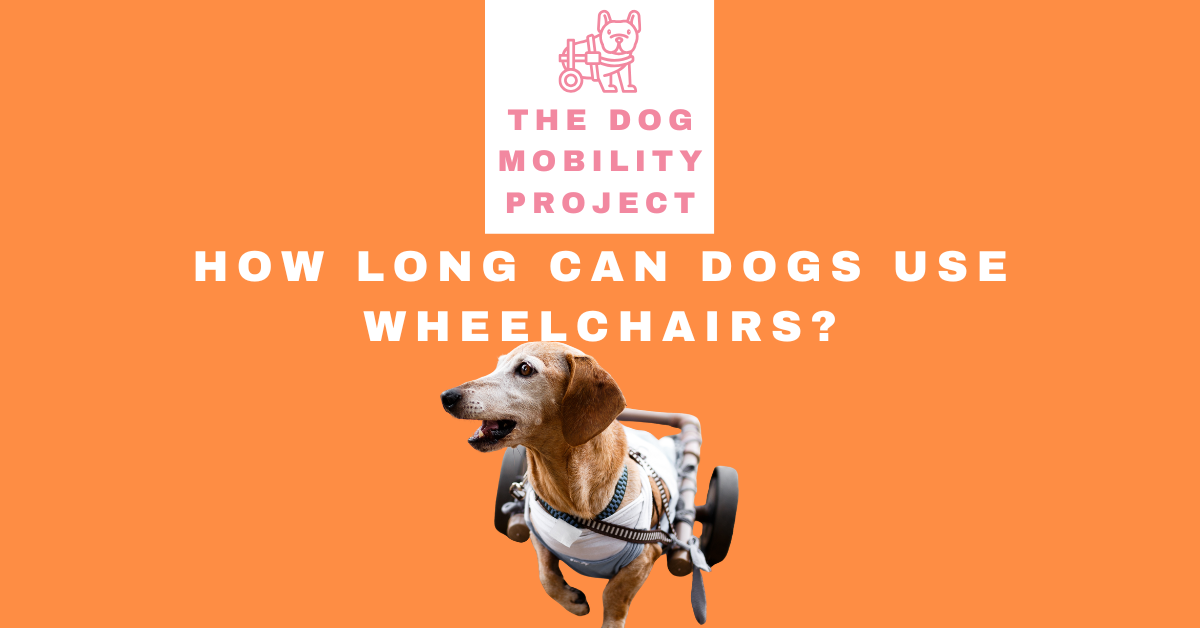 Continue reading →: How Long Can Dogs Use Wheelchairs? Daily Use, Long-Term Care & Safety
How long can dogs use wheelchairs? Learn how many hours a day dogs can safely use a wheelchair, when long-term use is appropriate, and how to maximize comfort, mobility, and quality of life.
Hello,
I’m Jennifer
Founder of The Dog Mobility Project

I spent more than eight years working in the pet mobility industry, where I worked with pet parents, veterinarians, and canine rehabilitation specialists to help dogs facing mobility challenges.
Today, I use that experience to make practical, trustworthy information about canine mobility easier for pet parents to find and understand.