-
 Continue reading →: Are Dog Wheelchairs Worth It? Benefits, Costs & What Veterinarians Recommend
Are dog wheelchairs worth it? Learn how dog wheelchairs improve mobility, independence, and quality of life, when veterinarians recommend them, and whether they’re a worthwhile investment for your dog.
-
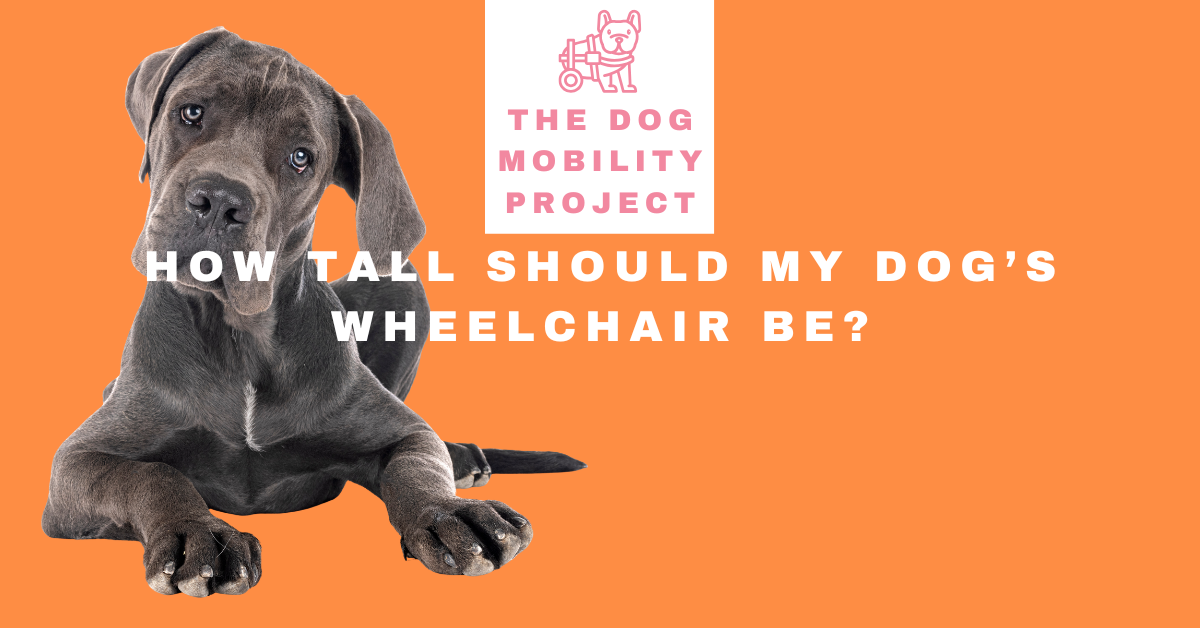 Continue reading →: How Tall Should My Dog’s Wheelchair Be? A Complete Height & Fit Guide
Wondering how tall your dog’s wheelchair should be? Learn how to adjust wheelchair height for proper posture, comfort, and mobility while avoiding common fitting mistakes.
-
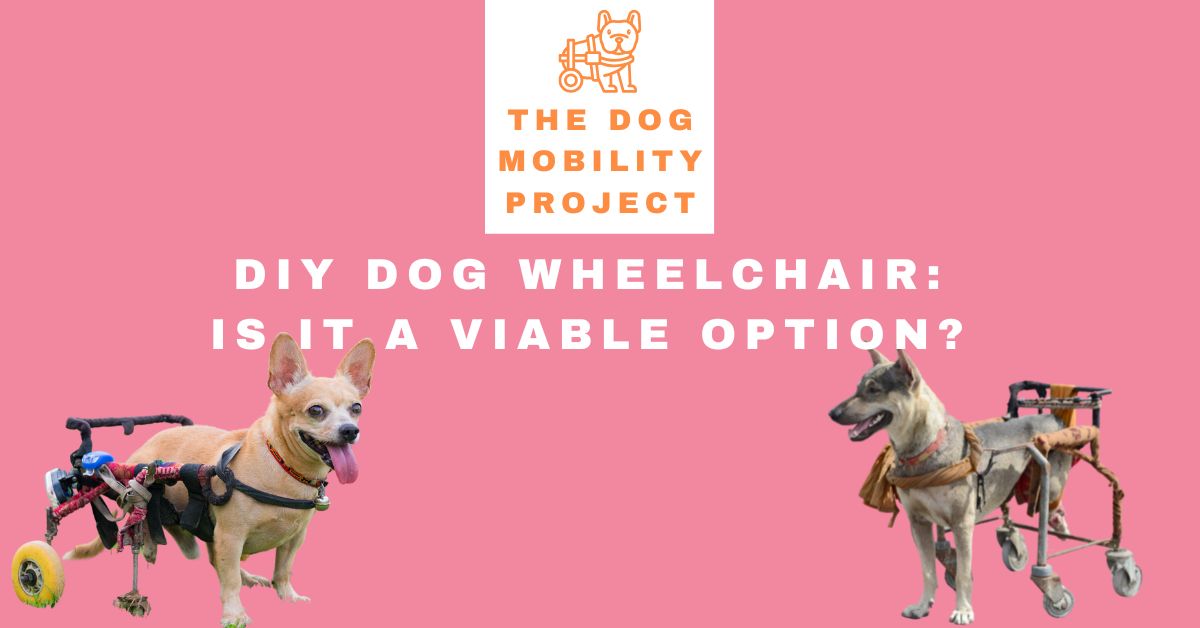 Continue reading →: DIY Dog Wheelchair: Pros, Cons & When to Build vs. Buy
Thinking about building a DIY dog wheelchair? Learn the pros, cons, costs, safety considerations, and when a homemade wheelchair may—or may not—be the right choice for your dog.
-
 Continue reading →: Active Dogs in Wheelchairs: Breaking Myths and Boosting Joy
Can dogs stay active in wheelchairs? Learn how dog wheelchairs help dogs walk, play, hike, exercise, and enjoy an active lifestyle while improving confidence, mobility, and quality of life.
-
 Continue reading →: Helping Dogs With Stairs: Safe Solutions for Senior and Disabled Dogs
Helping dogs with stairs starts with the right support. Learn how to safely assist senior and disabled dogs on stairs, reduce fall risks, and choose the best mobility aids for every stage of mobility loss.
-
 Continue reading →: Dog Having Trouble Standing or Walking? Common Causes and What to Do
Is your dog having trouble standing or walking? Learn the most common causes, early warning signs, treatment options, and when to seek veterinary care to improve your dog’s mobility and quality of life.
-
 Continue reading →: Is It Old Age or a Mobility Issue? How to Recognize the Signs in Your Dog
Many pet owners wonder whether it is old age or a mobility issue in dogs when they notice their dog slowing down. While some changes are part of normal aging, others may be early signs of arthritis, neurological disease, or another condition that benefits from prompt veterinary care.
-
 Continue reading →: Drag Bags for Paralyzed Dogs: Benefits, Uses & Buying Tips
Discover how drag bags for paralyzed dogs protect against scrapes, improve indoor mobility, and help disabled pets stay comfortable, active, and independent at home.
-
 Continue reading →: Best Dog Wheelchair Brand: How to Choose the Right Wheelchair for Your Dog
Looking for the best dog wheelchair brand? Compare adjustable and custom dog wheelchairs, explore the pros and cons of leading brands, and learn how to choose the right wheelchair for your dog’s needs.
-
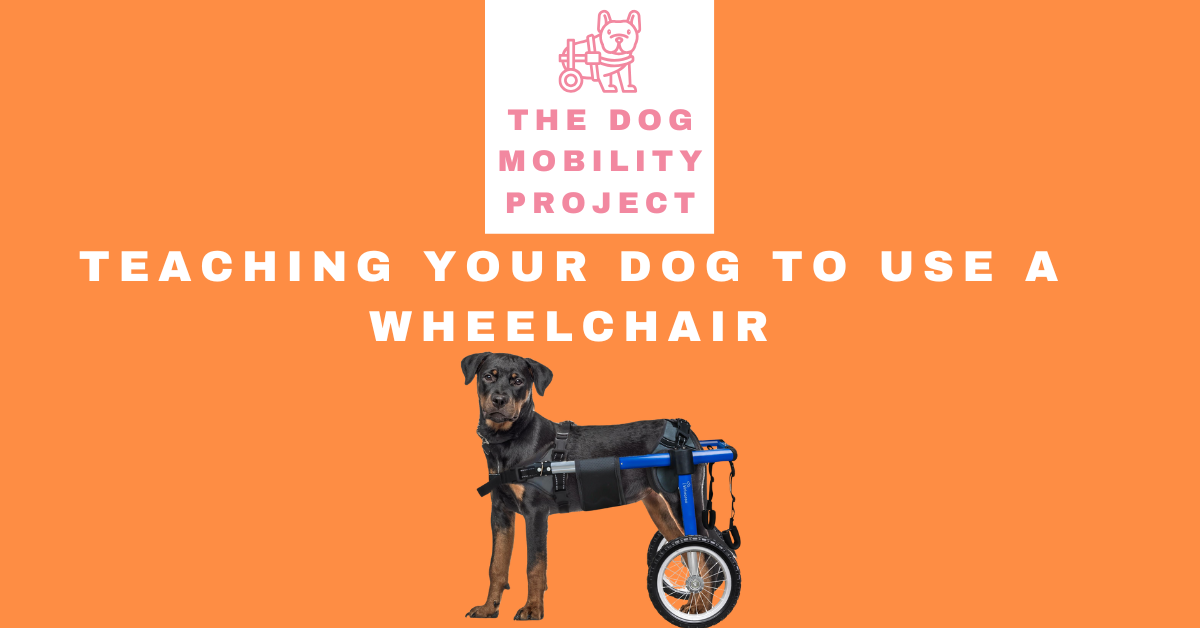 Continue reading →: Teaching Your Dog to Use a Wheelchair: How to Overcome Initial Resistance
Teaching your dog to use a wheelchair takes patience and positive reinforcement. Learn how to overcome initial resistance, build confidence, and help your dog adjust comfortably to life on wheels.
Hello,
I’m Jennifer
Founder of The Dog Mobility Project

I spent more than eight years working in the pet mobility industry, where I worked with pet parents, veterinarians, and canine rehabilitation specialists to help dogs facing mobility challenges.
Today, I use that experience to make practical, trustworthy information about canine mobility easier for pet parents to find and understand.