
As pet owners, we have the ability to notice subtle changes in our dogs’ mobility before they become a serious issue. And it’s our job to pay attention to these shifts in our dog’s behavior and make sure we’re giving them the best care possible. This also means, we are the only ones that can advocate for our dog and it’s our job to share what we’re seeing with our dog’s vet. Not an easy thing to do when you’re not medically trained.
When your dog struggles to stand or walk, it can be alarming and confusing. How do you know if it’s a “normal change for an older dog” or something you really need to be concerned about? Understanding potential causes, recognizing warning signs, and knowing available solutions can help ensure your pet receives the care they need. And that starts with knowing how to identify an issue.
In this article, we’ll explore common reasons behind mobility issues, signs to watch for, and actionable changes you can make to improve your dog’s quality of life.
Common Causes of Mobility Issues in Dogs
First, know that there is no single reason why a dog may suddenly struggle to walk. A host of conditions and different factors can contribute to a dog having difficulty standing or walking on their own. Some of the most common include:
1. Arthritis and Joint Problems
- Osteoarthritis: A degenerative joint disease common in older dogs that leads to stiffness, pain, and reduced mobility.
- Hip Dysplasia: A genetic condition where the hip joint doesn’t form properly, leading to discomfort and difficulty walking.
- Elbow Dysplasia: Similar to hip dysplasia, this condition affects the elbows and can cause limping and pain.
Arthritis and joint issues can often start with a slowing down of your dog’s movements, struggling to stand up after a nap, or difficulty jumping into the car. But as the condition worsens, so will your dog’s symptoms.
2. Injuries and Trauma
- Sprains and Strains: Overexertion or sudden movements can cause muscle and ligament injuries.
- Fractures: Breaks or cracks in the bone from falls, collisions, or accidents.
- Soft Tissue Injuries: Damage to muscles, tendons, or ligaments can impede mobility and cause pain.
Injuries occur suddenly and are much easier to spot. A dog with a leg injury may lift their paw off the ground, hop on three legs, whine, or hobble as it walks. Injuries require immediate care but will often only temporarily impact your dog’s ability to walk.
3. Neurological Disorders
- Intervertebral Disc Disease (IVDD): A condition where the discs in the spine degenerate or herniate, pressing on nerves and causing pain or paralysis.
- Degenerative Myelopathy: A progressive disease affecting the spinal cord, leading to weakness and loss of coordination.
- Peripheral Neuropathy: Damage to the nerves outside the brain and spinal cord can cause difficulty in movement and balance.
Neurological conditions are much more serious and harder to diagnose at home. These are often serious mobility conditions with a lengthy recovery process; in some cases, surgery may be necessary.
4. Obesity
Excess weight puts extra strain on joints and muscles, exacerbating conditions like arthritis and leading to reduced mobility. In most cases, canine obesity occurs over a long period of time. A healthier diet, more exercise, and a change in your dog’s lifestyle can greatly reduce the strain your dog’s weight places on their ability to move. Physical therapy and structured low-impact exercise with a rehab specialist may be needed to help your dog safely lose weight.
5. Infections and Inflammatory Conditions
- Lyme Disease: Transmitted by ticks, this disease can cause joint pain and lameness.
- Immune-Mediated Disorders: Conditions where the immune system attacks the body’s own tissues, potentially affecting muscles and joints.
Ultimately, there are a lot of factors that play into your dog’s mobility and activity levels, there are a wide range of mobility conditions that can impact your dog’s leg strength and joint health. Only your veterinarian can help determine what the root cause is, if you see signs your dog’s mobility is changing, it’s time to make an appointment with your dog’s vet.
Signs to Be Aware Of
Recognizing early signs of mobility issues is essential for prompt intervention. Keep an eye out for the following:
Behavioral Changes
- Reluctance to Move: Your dog may be less eager to go for walks or play. They may not respond when you call, refuse to go outside, or avoid going up the stairs.
- Lethargy: A noticeable decrease in energy levels can be a sign of underlying discomfort. Your dog may be sleeping more often or for longer periods of time. It’s easy to dismiss lethargy as a normal sign of aging.
- Restlessness at Night: Pain may become more pronounced when your dog is trying to settle down, leading to your dog wandering at night or shifting their bodies frequently because they can’t find a comfortable sleeping position.
Physical Symptoms
- Limping or Favoring One Leg: A clear sign that your dog is avoiding pressure on a painful area.
- Difficulty Rising: Struggling to stand up from a lying or sitting position.
- Stiffness: Particularly after rest, stiffness can indicate joint pain or arthritis.
- Abnormal Posture: A hunched back, head tilting, or uneven gait may be a sign of pain or imbalance.
- Swelling or Heat in Joints: These can indicate inflammation or injury.
- Visible Discomfort: Signs like whimpering, sighing, or panting during movement.
Solutions to Help Your Dog
When you notice your dog having trouble standing or walking, a multi-faceted approach can often yield the best results.
1. Consult Your Veterinarian
- Comprehensive Examination: A thorough physical and neurological exam, along with imaging tests (like X-rays or MRI), can help pinpoint the cause of mobility issues.
- Diagnosis and Treatment Plan: Based on the findings, your vet can recommend medications, supplements, or further diagnostic tests.
2. Medication and Pain Management
- Anti-Inflammatory Drugs: Non-steroidal anti-inflammatory drugs (NSAIDs) can help reduce pain and inflammation.
- Pain Relievers: Your vet may prescribe medications specifically for managing chronic pain.
- Supplements: Glucosamine and chondroitin supplements can support joint health, especially in dogs with arthritis.
3. Physical Therapy and Rehabilitation
- Hydrotherapy: Swimming or underwater treadmill exercises provide buoyancy that reduces stress on joints while building strength.
- Massage and Stretching: Gentle massages and targeted stretching exercises can help improve blood circulation and relieve muscle tension.
- Laser Therapy: Low-level laser therapy can reduce inflammation and promote healing in affected areas.
- Acupuncture: Some pet owners find acupuncture beneficial for pain relief and improved mobility.
4. Weight Management
- Balanced Diet: Ensure your dog is on a nutritionally complete diet that supports joint health.
- Controlled Feeding: Avoid overfeeding and provide measured portions to maintain an optimal weight.
- Regular Exercise: Tailor exercise routines to your dog’s capabilities, gradually increasing intensity under veterinary guidance.
5. Environmental Modifications
- Non-Slip Surfaces: Place rugs or mats on slippery floors to prevent falls.
- Ramps and Steps: Use ramps to help your dog access beds, cars, or other high surfaces without jumping.
- Comfortable Bedding: Orthopedic beds can provide extra support for joints and muscles, reducing pressure during rest.
6. Assistive Devices
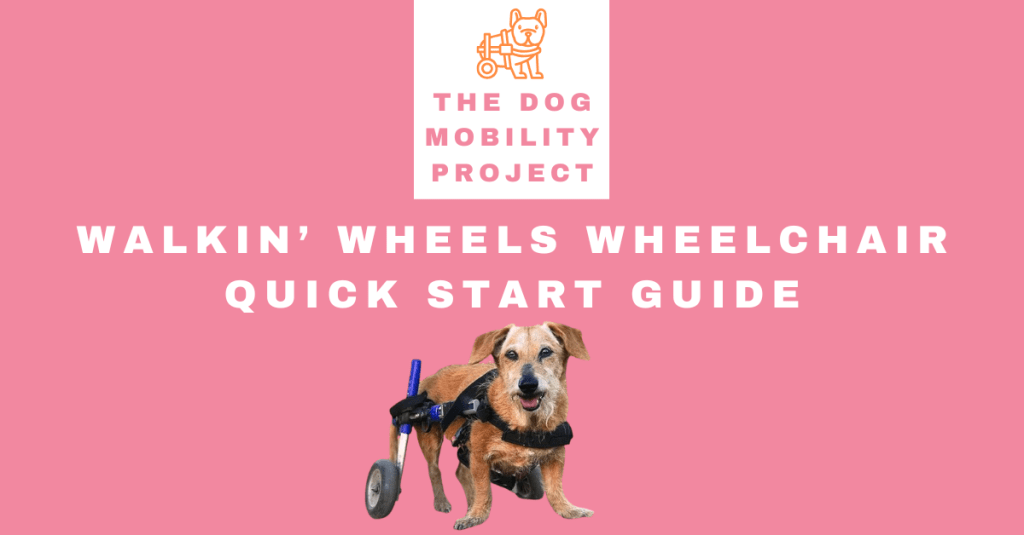
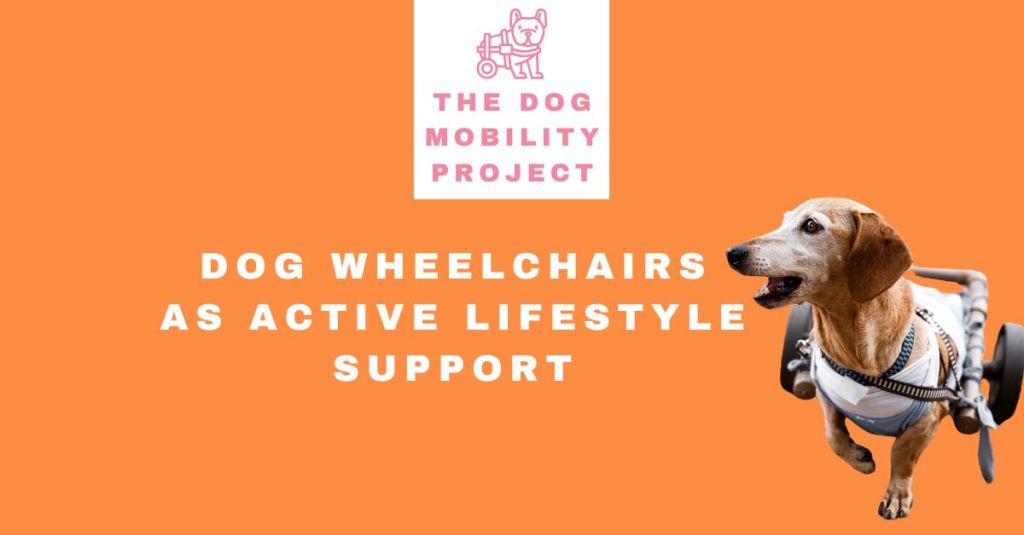
I’m a huge believer in mobility support, dog wheelchairs, and lifting harnesses, which are easy solutions that are designed to keep dogs active.
- Harnesses: Mobility harnesses can help support your dog during walks or when moving around the house.
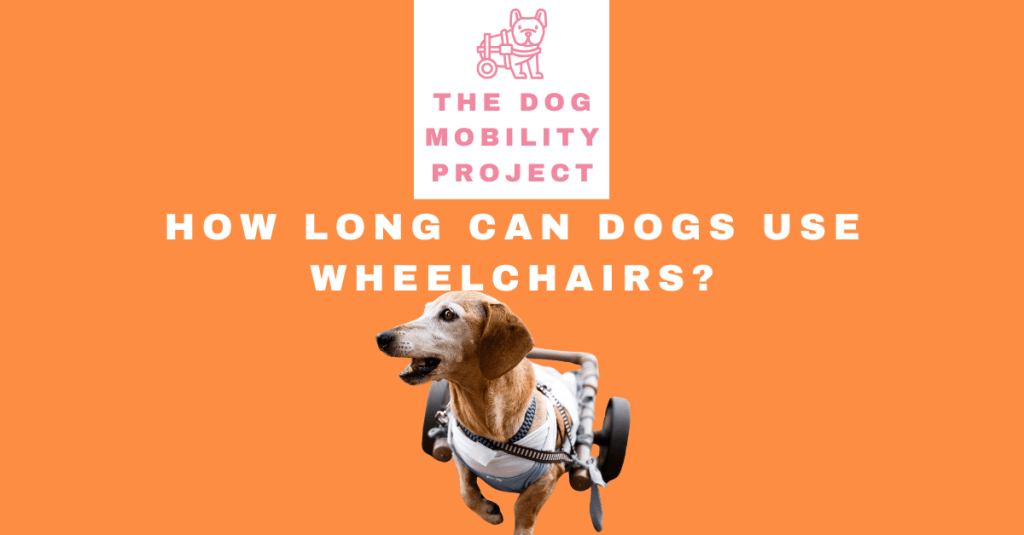
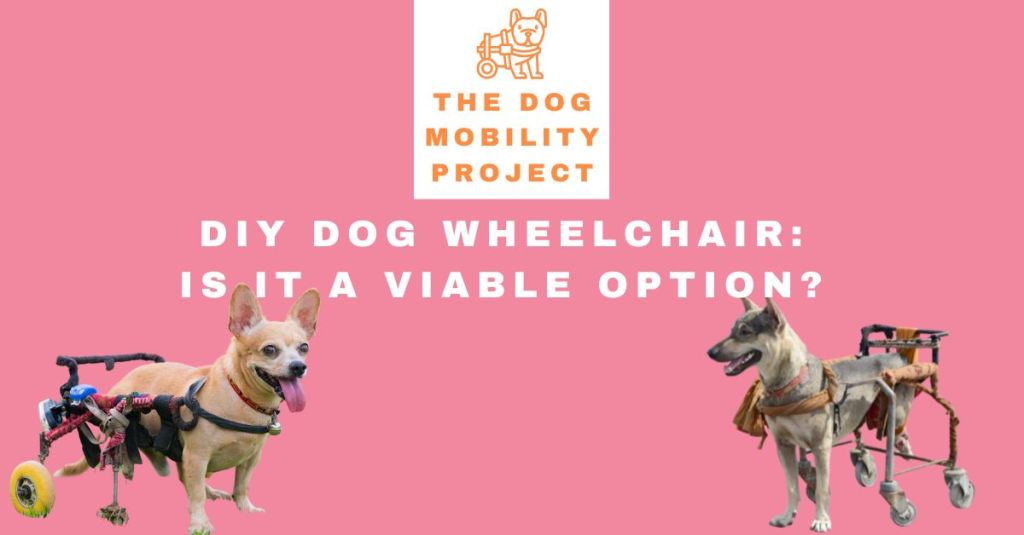
- Wheelchairs: For dogs with severe mobility issues, dog wheelchairs can restore a significant degree of independence.
Yes, there is a learning curve when it comes to using a dog wheelchair, but don’t let that (or the cost) prevent you from trying one. I have seen dogs get into their wheelchair for the first time and start running; it’s an incredible experience and really highlights the fact that dogs want (and need) to run and play. The number one thing I’ve heard from pet parents is “I wish I had gotten my dog a wheelchair sooner.” Do yourself a favor and don’t wait. A dog in motion stays in motion–getting your dog a wheelchair can extend their life and improve their quality of life.
Monitoring and Adjusting Care
Regular monitoring of your dog’s condition is crucial. Keep a daily log of your dog’s mobility, noting any changes or improvements. Regular follow-ups with your veterinarian will help adjust treatment plans as needed. Early intervention and consistent care can make a significant difference in managing your dog’s mobility issues and enhancing their quality of life.
Conclusion
Mobility challenges in dogs can be distressing, but with careful observation, proper veterinary care, and supportive interventions, you can help your canine companion enjoy a comfortable and active life. Recognizing the signs early and taking prompt action is key. Whether it’s through medication, physical therapy, or environmental adjustments, there are numerous solutions to assist your dog in overcoming mobility issues. Remember, every dog is unique, and working closely with your veterinarian will ensure that your pet receives the best care tailored to their specific needs.
For more tips and in-depth guides on maintaining and improving your dog’s mobility, stay connected with the Dog Mobility Project. Your dog’s comfort and happiness are our top priorities!


 The Dog Mobility Project
Leave a comment