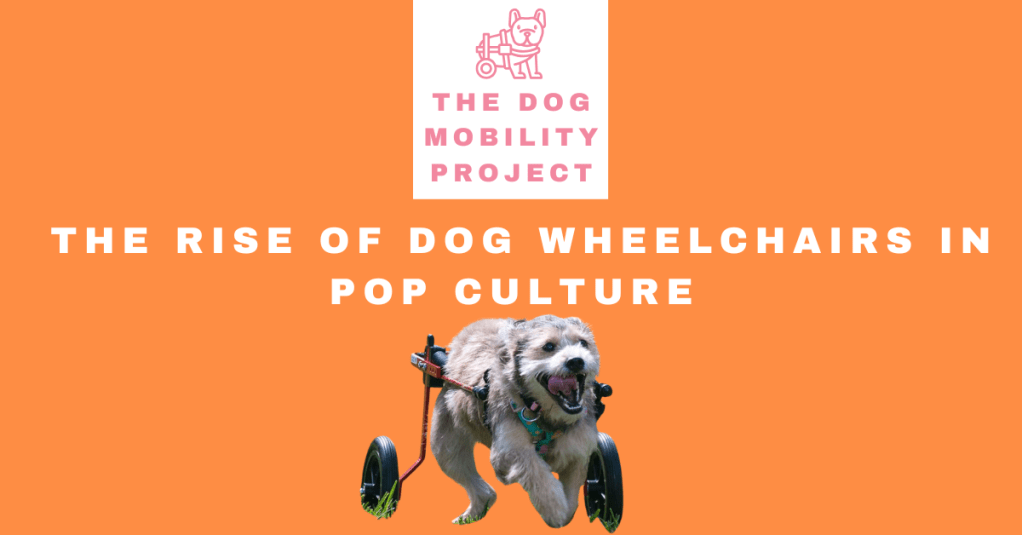
Ten years ago, the sight of a dog in a wheelchair would stop people in their tracks. Some would stare in confusion, others with sympathy, but most saw it as an extreme—even bizarre—choice. Back then, mobility aids for dogs were considered outlandish, a step too far in pet care. But today? A wheelchair is just another tool in a pet parent’s arsenal, no more unusual than a harness or ramp.
What changed?
A Shift in Perception
The journey from novelty to normalcy didn’t happen overnight. It was a combination of cultural shifts, heartwarming stories, and pop culture representation that made the difference.
Dog lovers began to see mobility aids not as a way of prolonging suffering, but of restoring joy. As veterinary care advanced and pets became more integrated into families, people began asking: Why wouldn’t we help our dogs walk again?
Key Developments That Changed the Conversation
- Viral Stories on Social Media: Videos of joyful dogs running in wheelchairs spread across Facebook and Instagram. These weren’t just cute clips—they were powerful narratives that redefined what was possible for disabled pets. Dogs like Daisy and TurboRoo, the two-legged Chihuahua with 3D-printed wheels, captured hearts globally.
- Advocacy from Rescues and Shelters: Special needs rescues started showcasing adoptable dogs in wheelchairs, focusing on their personalities rather than their disabilities. Organizations like Walkin’ Pets and Joey’s P.A.W. helped educate the public while donating mobility equipment to animals in need.
- Mainstream Media Recognition: Once seen as fringe, the topic made its way into primetime television, films, and even toy aisles.
- Major Pup Culture Events: Specials like The Puppy Bowl, NY Fashion Week, TV ads, and the Cadbury Bunny have all featured dogs in wheelchairs in recent years.
- Children’s Books: Kid’s books are helping normalize dog wheelchairs by showcasing differently-abled pups as heroes. Stories like Max the Dog in a Wheelchair or Bow Tie Boone teach empathy, celebrate resilience, and present mobility aids as tools for joy and independence—shaping how kids see disability with compassion and positivity.
Pop Culture Moments That Moved the Needle
These moments helped normalize the image of dogs in wheelchairs and brought compassion into the mainstream:
- Arthur’s Beloved Character, “Pal” in a Wheelchair (PBS Kids)
In a special episode about disability awareness, the beloved dog Pal uses a wheelchair, subtly educating young audiences about mobility challenges in a gentle, positive light. - Toys That Reflect Real Life – Barbie’s Wheelchair Pup
Mattel included a dog in a wheelchair in their Barbie line, reinforcing the idea that special needs pets are just as lovable and deserving of care. - Hallmark’s “A Dog Named Christmas”
This heartwarming film featured a disabled dog and highlighted the powerful bond between people and animals with special needs. “A Dog Named Christmas” helped dismantle the myth that disabled dogs are “too much work.” Other movies or TV shows that included handicapable pets: Ari in Murphy Brown, Colin from Colin from Accounts, and Cesar Millan’s The Dog Whisperer. - Coverage on Major News Outlets – NBC’s “Merlin the Duck”
While not a dog, the viral story of Merlin—the first duck to receive a custom wheelchair from Walkin’ Pets—turned heads and hearts. It sparked conversation and drew attention to the world of animal mobility. - “PAW Patrol” and the Rise of Inclusivity in Kids’ Media
In it’s seventh season, Paw Patrol introduced the character Rex, a wheelchair dog, shows like PAW Patrol opened the door to more inclusive storytelling in children’s media, encouraging toy lines and cartoons to represent differently-abled pets. Other notable animated dogs in wheelchairs: Pops in The Secret Lives of Pets and Lollie in Puppy Dog Pals. - Instagram Influencers Like “Corgi on Wheels” and “Tuna Melts My Heart”
These pets-turned-celebrities showcase daily life in a wheelchair—running on the beach, hiking trails, or playing with siblings—completely redefining public perception of what mobility means.
Why It Matters
When representation meets education, transformation happens. What once seemed like “too much” is now viewed as love in motion. A dog wheelchair is no longer a last-ditch effort—it’s a hopeful beginning.
As pop culture continues to shine a light on differently-abled animals, we move one step closer to a world where every pet, regardless of ability, is given the chance to thrive.
And maybe—just maybe—we’re learning a little more about resilience, too.



 The Dog Mobility Project
Leave a comment