Causes, Treatments, Aids, and Recovery
When a dog begins to struggle with mobility, whether due to injury, illness, or age, it can be heartbreaking to watch. But limited mobility doesn’t have to mean limited life.
At The Dog Mobility Project, we believe every dog deserves the chance to live life in motion. This guide brings together everything pet parents need to understand mobility loss, treatment options, rehabilitation strategies, and mobility aids that can help dogs walk, run, and play again.
🩺 Understanding Dog Mobility Issues
Mobility loss in dogs can happen suddenly or gradually, and the cause often determines the best path forward. Some dogs lose mobility in their hind legs; others develop stiffness, pain, or weakness throughout their body.
Common causes include:
- Injury or trauma (like fractures or ligament tears)
- Neurological disorders such as Intervertebral Disc Disease (IVDD) or Degenerative Myelopathy (DM)
- Arthritis and joint disease
- Post-surgical recovery or paralysis
- Age-related muscle loss
👉 Learn more about the most common causes of dog mobility loss.
💡 Treatment Options for Mobility Loss
Every dog’s path to recovery is unique. Your veterinarian will help you identify the cause and outline a treatment plan — which may include one or more of the following approaches:
1. Conservative Management
Many conditions, such as IVDD or mild injuries, respond well to crate rest, anti-inflammatory medications, and controlled exercise.
➡️ Read our guide on IVDD Treatment Options for a detailed overview of conservative vs. surgical care.
2. Surgery
In cases of severe spinal compression, fractures, or ligament damage, surgical intervention can restore mobility and relieve pain. Post-surgery rehab is key to success.
➡️ See our resource on Post-Surgery Care for Mobility Dogs.
3. Physical Rehabilitation
Canine rehabilitation therapy focuses on strengthening weak muscles, improving coordination, and promoting healing.
Common techniques include:
- Hydrotherapy
- Laser therapy
- Massage and stretching
- Balance and proprioception exercises
➡️ Explore our Rehabilitation Timelines & Techniques to set realistic expectations for your dog’s recovery journey.

4. Mobility Aids
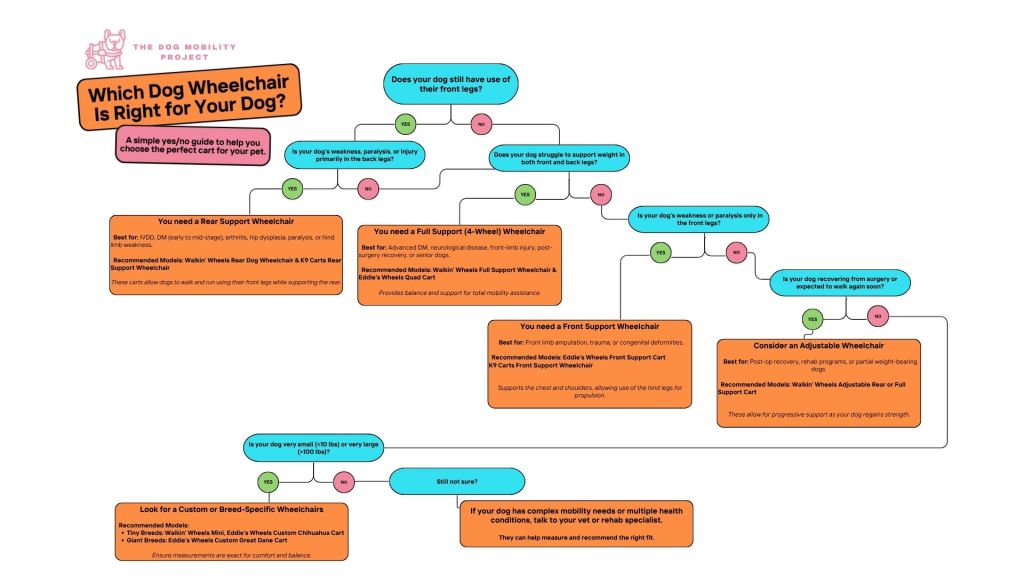
For dogs with partial or permanent mobility loss, assistive devices like dog wheelchairs, harnesses, and support slings can restore independence.
➡️ Learn when and how to introduce a dog wheelchair for IVDD or paralysis.
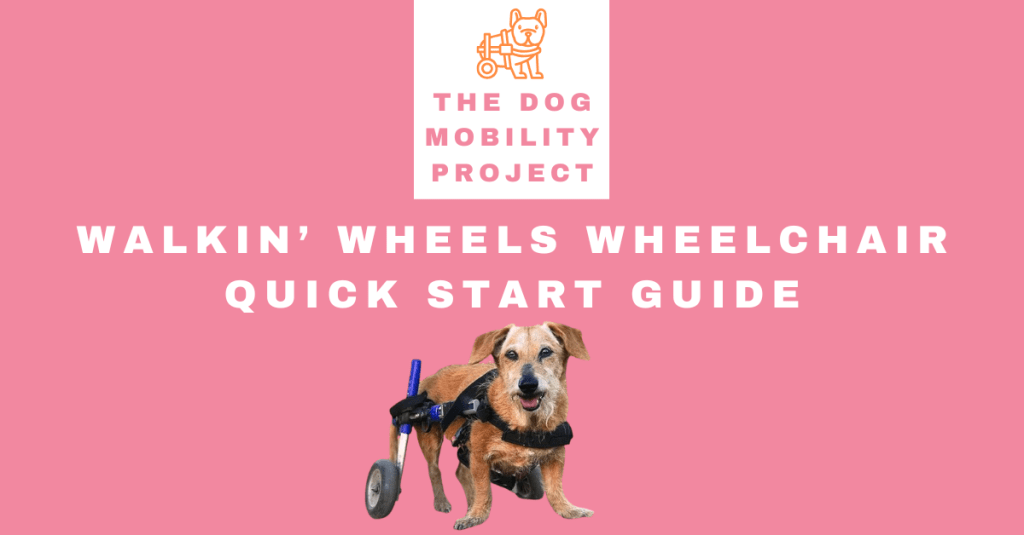
➡️ Browse our Dog Wheelchair Buyer’s Guide for sizing, features, and training tips.
🦿 Dog Mobility Aids & Equipment
Mobility aids don’t just support recovery — they transform lives. These tools help dogs regain confidence, reduce pain, and maintain physical and mental well-being.
Popular mobility aids include:
- Dog Wheelchairs: Full-support or rear-wheel carts for dogs with hind leg weakness.
- Harnesses & Slings: Provide extra support for walking or climbing stairs.
- Orthopedic Beds & Ramps: Reduce strain on joints and make movement easier.
- Paw Grips & Traction Aids: Prevent slips and improve stability on hard floors.
➡️ Read our Complete Wheelchair Selection Guide
➡️ Compare Mobility Products for Recovery and Daily Life

🐾 The Recovery Journey: What to Expect
Recovery from mobility loss is rarely linear. Dogs heal at different rates depending on their condition, age, and treatment plan.
Here’s what you can expect:
- Early Recovery (Weeks 1–4): Rest, pain management, and gentle rehab exercises.
- Mid-Recovery (Weeks 4–8): Strength-building and reintroduction of movement.
- Long-Term Maintenance: Ongoing exercise, supportive aids, and monitoring for relapse.
➡️ Follow our Dog Recovery Milestones Guide to celebrate every step forward.
❤️ Living Well With a Mobility-Impaired Dog
Dogs are remarkably adaptable. With the right support, even those with permanent paralysis can lead full, joyful lives.
At The Dog Mobility Project, we share inspiring stories of special needs rescues and senior dogs who thrive with wheelchairs, rehab, and loving care.
📚 Dog Mobility Resource Library
For deeper dives into specific topics, explore our full collection of mobility resources:
| Category | Resource Link |
|---|---|
| IVDD | IVDD Treatment Options |
| Degenerative Myelopathy | DM in Dogs: Symptoms and Support |
| Post-Surgery Recovery | Post-Surgery Care Guide |
| Wheelchair Use | How to Introduce a Dog Wheelchair |
| Mobility Loss | Early Signs of Mobility Loss |
| Product Guides | Dog Wheelchair Buyer’s Guide |
| Choosing a Dog Wheelchair | Walkin’ Wheels vs. K9 Carts vs. Eddies Wheels |
| How Dog Wheelchairs Help | Is a Dog Wheelchair Right for My Pet? |
Empowering Dogs to Live Life in Motion
Mobility loss isn’t the end of the road — it’s the beginning of a new journey. With the right care, treatment, and mindset, dogs can overcome incredible challenges.
At The Dog Mobility Project, we’re here to guide you every step of the way — with expert advice, real stories, and trusted resources to help your dog live life to the fullest.

 The Dog Mobility Project