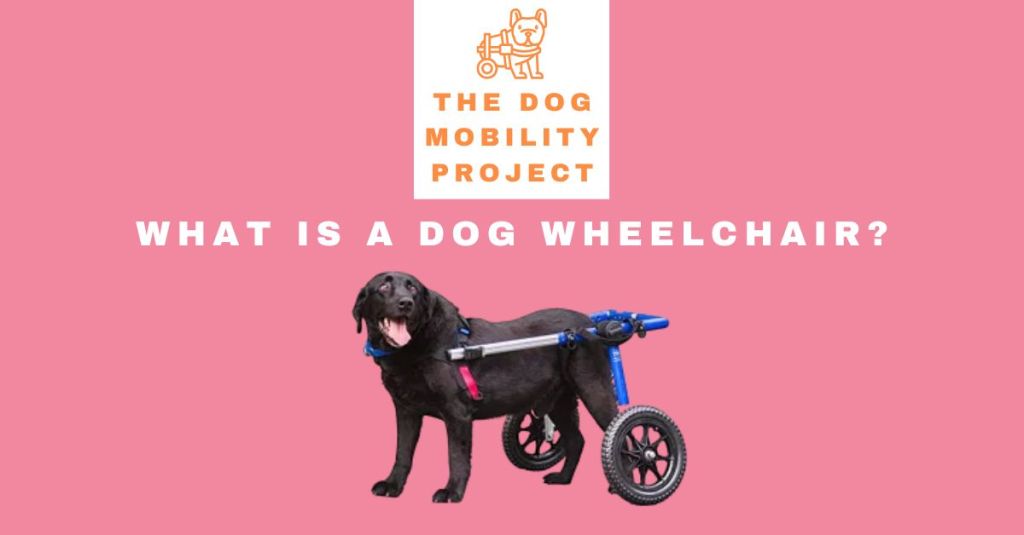
One of the most common questions pet parents ask when the first learn about wheelchairs is a simple one: “What exactly is a dog wheelchair, and how does it help?” Whether your dog is struggling to walk due to injury, illness, or age, understanding how a wheelchair works—and whether it’s the right choice—can open the door to a whole new life for your pet.
Why Do Dogs Need Wheelchairs?
Dogs may need a wheelchair when they can no longer move around comfortably or safely on their own. Wheelchairs are commonly used for:
- Paralysis (often from injury or neurological conditions)
- Degenerative diseases like Degenerative Myelopathy (DM) or Intervertebral Disc Disease (IVDD)
- Hip dysplasia, arthritis, or severe joint pain
- Surgical recovery following orthopedic or spinal procedures
- Congenital abnormalities or limb amputations
In short, dog wheelchairs aren’t just for senior pets or permanent disabilities. They’re also used temporarily during recovery or as a supportive tool to improve quality of life.
Who Determines Whether a Dog Needs a Wheelchair?
While many pet parents notice mobility changes on their own, we always recommend starting with a veterinarian or canine rehab specialist. These professionals can:
- Identify the root cause of your dog’s mobility issue
- Help determine whether your dog is strong enough to use a wheelchair (hint: most dogs are)
- Recommend the best type of support for your dog’s specific needs
In some cases, rehab professionals may even assist with wheelchair fittings or suggest physical therapy exercises to complement mobility support.
If your vet seems hesitant about dog wheelchairs (or says no) it might be time for a second opinion.
Are There Different Types of Dog Wheelchairs?
Yes! Dog wheelchairs come in three primary types, and choosing the right one depends on which part of your dog’s body needs support:
- Rear Support Wheelchairs
Most common and ideal for dogs with weak or paralyzed hind legs. Your dog powers forward using their front legs while the wheels support the back end. - Front Support Wheelchairs
Designed for dogs with limited use of their front legs, often due to birth defects, injury, or neurological conditions. These are less common but just as life-changing. To benefit from a front wheel cart, your dog must have strong back legs. - Full Support (Quad) Wheelchairs
Provide assistance to all four limbs—perfect for dogs with balance issues, overall weakness, or recovering from trauma affecting multiple limbs. A quad wheelchair is ideal for a dog with balance issues or experiencing weakness in all of its legs.
How Do I Choose the Right Size Wheelchair for My Dog?
Getting the right fit is crucial to your dog’s safety, comfort, and success in their cart. You’ll typically need to know:
- Your dog’s weight
- Breed (some companies have breed-specific sizing recommendations)
- Rear leg height (from the ground to the fold of the flank)
- Width of the hips or shoulders
- Length of the body
Most dog wheelchair providers offer sizing guides, videos, or even live help to walk you through the measuring process. Many off-the-shelf wheelchair options will feature different size wheelchair frames based on a dog’s weight and size.
Will the Wheelchair Fit My Dog’s Unique Body Shape?
Yes—many dog wheelchairs are adjustable to accommodate a wide range of sizes and shapes, including:
- Long-bodied dogs like Dachshunds and Corgis
- Deep-chested dogs like Greyhounds
- Barrel-shaped breeds like Bulldogs or Pugs
- Small and toy breeds
- Giant breeds
If you’re concerned that your dog may be harder to fit due to their shape and breed, call the wheelchair company, you’re probably not the first person to ask the question. Common dog breeds prone to mobility issues, like corgis and dachshunds, may even have carts that were designed to fit their specific breed.
Some manufacturers also offer custom-built options for dogs with highly unique proportions, amputations, or special medical needs. Adjustable carts are often a great place to start, as they allow room for growth, change, or recovery.
How Does a Dog Use a Wheelchair?
Once fitted properly, a dog uses the wheelchair by pushing forward with their stronger limbs. The wheelchair supports the weaker or paralyzed part of the body, taking pressure off joints and allowing for pain-free movement. Most dogs only use their cart during walks, playtime, or physical therapy—not during rest, mealtimes, or sleep.
And no, a wheelchair doesn’t “trap” your dog. In fact, many dogs light up the moment they realize they can run again. It’s about restoring independence, not taking it away. Don’t feel bad about putting your dog into their wheelchair, because your dog certainly won’t, they will quickly learn to love their new cart.
Freedom, Confidence, and Joy
For many dogs, a wheelchair is a life-changing tool—not a last resort. It brings back the simple pleasures: sniffing the grass, greeting neighbors on walks, and chasing their favorite ball. It gives pet parents peace of mind and helps dogs live with dignity, freedom, and happiness.
At The Dog Mobility Project, we believe that every dog deserves the chance to live life in motion. Whether you’re just exploring the idea or ready to take the next step, we’re here to guide you.



 The Dog Mobility Project
Leave a comment