-
 Continue reading →: Can My Dog Lie Down or Rest in the Cart?
Dog wheelchairs are not designed for lying down, as they support movement, improve strength, and prevent complications. While “sit down” wheelchairs exist, they can misalign the spine and cause anxiety. Instead, prioritize frequent breaks, create comfortable recovery spaces, and ensure your dog rests outside the cart for optimal comfort and…
-
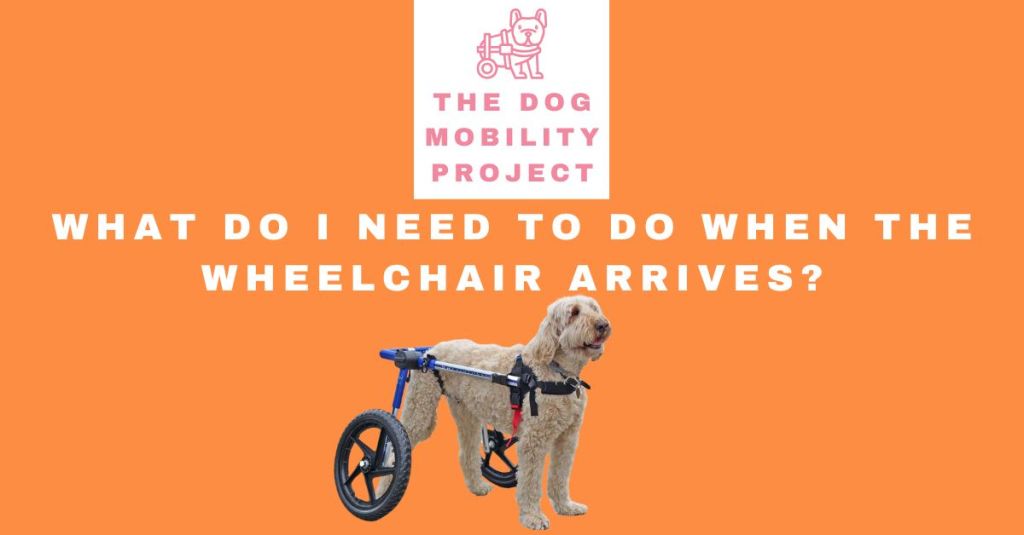 Continue reading →: What Do I Need to Do When the Wheelchair Arrives?
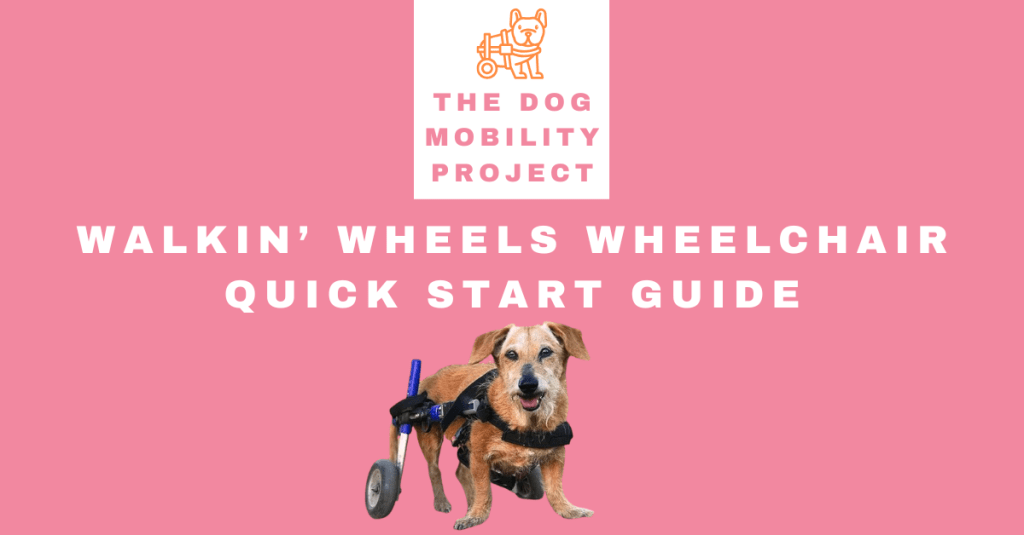
A Pet Parent’s Guide to Getting Started with a Dog Wheelchair When your dog’s wheelchair arrives, it’s a moment filled with hope—and maybe just a little bit of nervous excitement. You’re doing something amazing for your best friend, but if you’re feeling unsure of what comes next, you’re not alone.…
-
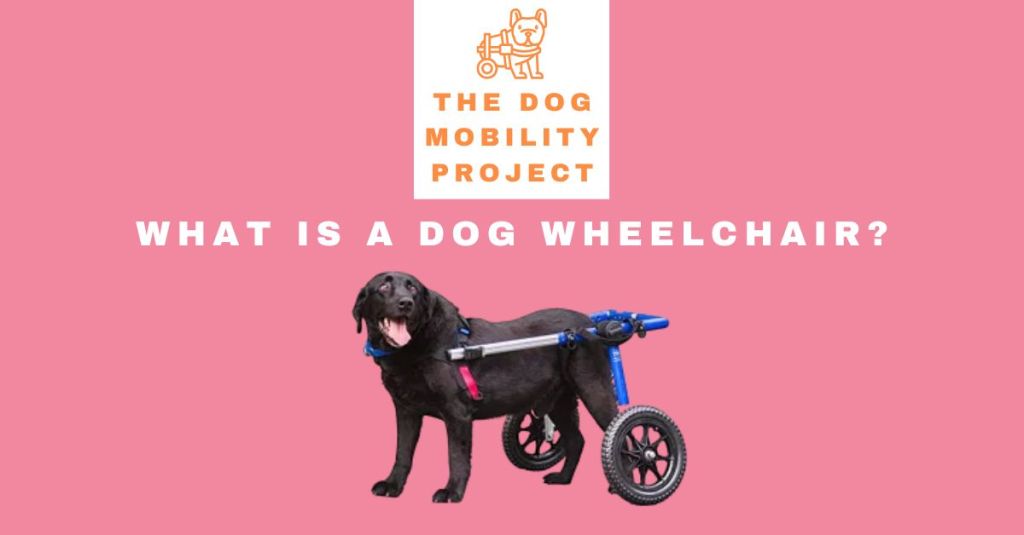 Continue reading →: What is a Dog Wheelchair?
One of the most common questions pet parents ask when the first learn about wheelchairs is a simple one: “What exactly is a dog wheelchair, and how does it help?” Whether your dog is struggling to walk due to injury, illness, or age, understanding how a wheelchair works—and whether it’s the right choice—can…
-
 Continue reading →: What If My Dog Doesn’t Like the Wheelchair? What Do I Do Next?
It’s a moment many pet parents anticipate with both hope and nerves: the first time their dog tries on a wheelchair. You’ve researched, measured, ordered the right fit, and now… your dog wants nothing to do with it. You’re not alone. While dog wheelchairs can be life-changing tools for mobility,…
-
 Continue reading →: The Unspoken Truth About Dog Wheelchairs: What No One Tells You (But You Deserve to Hear)
When your dog’s mobility starts to decline, your world shifts. You’re suddenly Googling terms you’ve never heard before. You’re measuring your pup with a tape measure while blinking back tears. And then you find it—the dog wheelchair. A symbol of hope. A promise of movement. But once it arrives, you…
-
 Continue reading →: Protect Your Dog’s Mobility: Preventative Care Tips for Active, Healthy Dogs
Mobility issues in dogs often appear gradually—one missed jump, a slight limp after playtime, or stiffness getting up in the morning. While some conditions are age-related or unavoidable due to breed or genetics, many mobility problems can be delayed or even prevented with proactive care. At The Dog Mobility Project, we…
-
 Continue reading →: No, Wheelchairs Don’t Make Dogs Lazy—They Help Them Live Again!
Dispelling a Harmful Myth and Empowering Pet Parents to Advocate for Mobility If you’ve been told that putting your dog in a wheelchair will make them lazy, you’re not alone—and you’re not wrong to question that advice. The idea that mobility aids somehow weaken dogs or prevent recovery is outdated…
-
 Continue reading →: Do Back Braces Help a Dog with IVDD?
Understanding How Dog Back Braces Work Intervertebral Disc Disease (IVDD) can be a devastating diagnosis for dog owners. The condition, which involves the herniation or bulging of discs in the spine, can cause sudden pain, hind leg weakness, and in severe cases, paralysis. When facing IVDD, many pet parents search…
-
 Continue reading →: Recognizing the Earliest Signs of Mobility Loss in Dogs
Recognizing the early signs of mobility loss in dogs can be difficult. Common signs include changes in walking patterns, reluctance to move, and difficulty rising. Early intervention is crucial for maintaining their quality of life.
-
 Continue reading →: From Oddity to Everyday Hero: The Rise of Dog Wheelchairs in Pop Culture
Ten years ago, the sight of a dog in a wheelchair would stop people in their tracks. Some would stare in confusion, others with sympathy, but most saw it as an extreme—even bizarre—choice. Back then, mobility aids for dogs were considered outlandish, a step too far in pet care. But…
Hello,
I’m Jennifer

Welcome to The Dog Mobility Project. I’ve seen firsthand the transformative power that adaptive equipment can have on a pet’s life. I’ve heard countless pet parents express regret for not discovering dog wheelchairs or other mobility solutions sooner. That’s why The Dog Mobility Project is so close to my heart.

 The Dog Mobility Project