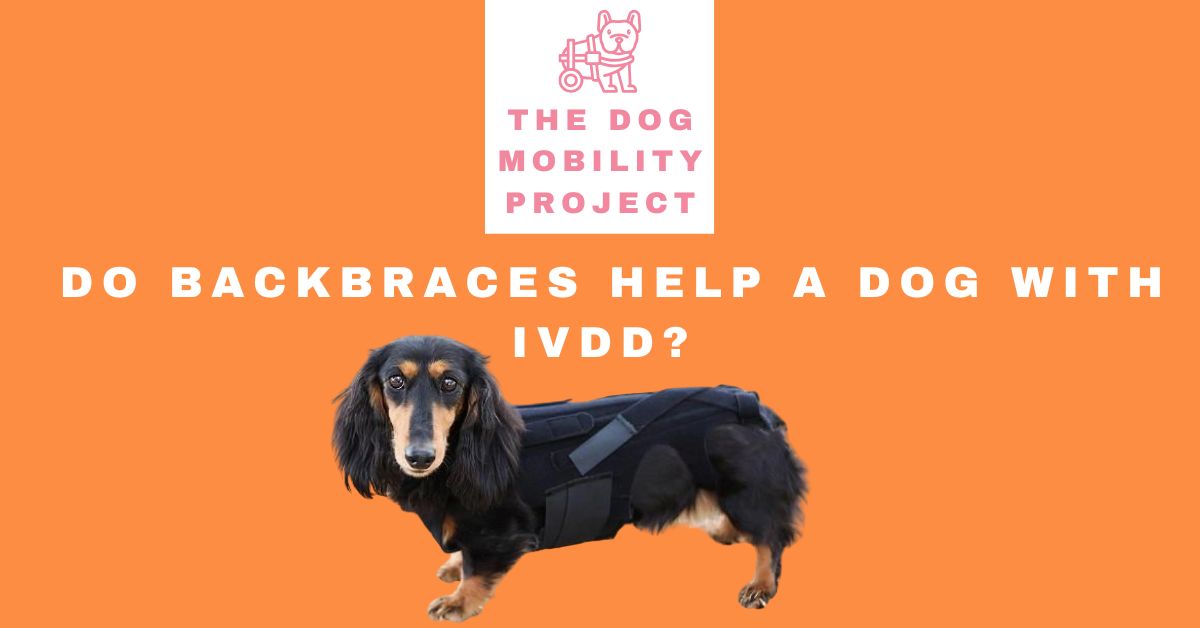
Understanding How Dog Back Braces Work
Intervertebral Disc Disease (IVDD) can be a devastating diagnosis for dog owners. The condition, which involves the herniation or bulging of discs in the spine, can cause sudden pain, hind leg weakness, and in severe cases, paralysis. When facing IVDD, many pet parents search for ways to help their dog recover or maintain quality of life — and one commonly recommended tool is a dog back brace.
But how exactly does a back brace help? And how does it work? Let’s explore.
Do Back Braces Help a Dog with IVDD?
In many cases, yes — a properly fitted back brace can provide significant support to a dog with IVDD.
While a back brace isn’t a cure, it can play an important role in a dog’s recovery or in managing a chronic condition. Here’s how a back brace can help:
- Spinal Support: A back brace stabilizes the spine, limiting excessive movement that could cause further injury or pain. Limiting range of motion will help to prevent excessive twisting or risk of reinjury.
- Pain Reduction: By supporting the spine and easing pressure on affected discs, braces can help reduce discomfort.
- Injury Prevention: For dogs recovering from surgery or managing a mild case conservatively (without surgery), a brace can help prevent sudden movements like twisting or jumping that might worsen the condition. A dog should never wear a back brace without a vet’s recommendation.
- Confidence Boost: Some dogs show improved confidence while moving with a brace, especially if they have been tentative due to pain.
However, it’s important to remember:
- A back brace should always be used under veterinary guidance.
- A canine back brace is not a replacement for surgery, merely a tool to support your dog as they heal.
- It is typically part of a larger management plan that may include crate rest, physical therapy, medications, or surgery.
- Not every dog with IVDD will benefit equally — factors like the severity of the injury, the dog’s size, and activity level all matter.
How Does a Dog Back Brace Work?
Dog back braces are designed with a few critical functions in mind:
1. Spine Stabilization:
A brace fits snugly around the dog’s torso, extending along the length of the spine. This structure helps limit the motion of the vertebrae, especially the twisting, flexing, or extension that can strain injured discs.
2. Compression Support:
The brace provides gentle compression around the core muscles, helping to “share the load” of supporting the spine. This reduces the mechanical stress on the injured area.
3. Pain Relief and Protection:
By limiting movement and providing physical support, the brace helps reduce irritation around the affected discs. It also acts as a protective shield — for instance, if a dog tries to jump or stumble, the brace can minimize jarring impacts to the spine.
4. Rehabilitation Aid:
In dogs undergoing rehabilitation or recovering from surgery, a back brace can be a transitional tool. It allows the dog to slowly regain strength and coordination without the spine being overly vulnerable.
What to Look for When Purchasing a Dog Back Brace
Not all back braces are created equal — and finding the right one can make a big difference in your dog’s comfort and recovery. When choosing a back brace for a dog with IVDD, keep the following factors in mind:
1. Veterinarian-Approved Design:
Look for braces that are recommended by veterinarians or designed in collaboration with veterinary orthopedic specialists. A medical-grade brace is more likely to offer the right balance of support and mobility.
2. Proper Fit and Adjustability:
A brace should fit snugly without restricting breathing or causing discomfort. Adjustable straps and multiple sizing options are important to ensure a customized fit. A poorly fitted brace can cause pressure sores or worsen your dog’s condition.
3. Spine Coverage:
The brace should support the full length of the back, especially the area where the injury or disc issue is located. Some braces are designed for the thoracic spine (upper back) while others support the lumbar spine (lower back) — or both.
Some braces are designed with the support along the side of the dog’s body, this only limits range of motion, it will not support the spine. Choose one that runs supports along the dog’s spine and on either side, this means both the back and the epipaxial muscles will get the support it needs.
4. Lightweight and Breathable Materials:
Dogs will likely be wearing the brace for extended periods, so it should be made of lightweight, breathable, and durable materials. This helps prevent overheating and skin irritation.
5. Ease of Use:
Look for a brace that is easy to put on and take off. Daily use should not be a struggle for you or stressful for your dog.
6. Comfort Padding:
Padding around the chest, belly, and spine adds comfort and reduces the risk of chafing. A brace shouldn’t rub harshly against the skin, especially for dogs with thin coats or sensitive skin.
7. Proven Results and Reviews:
Check for customer reviews, clinical studies, or testimonials showing how the brace has helped other dogs with IVDD. Seeing real-world results can give you confidence in your choice.
Best Dog Back Braces for IVDD
With so many options available, choosing the right back brace can feel overwhelming. Here are some recommendations based on size and special situations:
Best Back Brace for Small Dogs:
L’il Back Bracer
- Specifically developed for dogs recovering from disc surgeries or conservative treatment plans.
- Offers a snug, medical-grade support system that limits spinal movement during healing.
- Especially popular for smaller dogs like dachshunds and corgis, but offers exceptional stability.
Best Back Brace for Large Dogs:
Balto Body Lift Back Support Harness
- Ideal for medium to large dogs needing strong back support.
- Provides both spinal stabilization and a lift-assist feature to help dogs stand or walk, which can be very useful for larger breeds with mobility challenges.
- Durable and adjustable, it’s great for breeds like German Shepherds, Labradors, and Retrievers.
Best for Active Dogs Needing Light Support:
EMbrace Support Dog Back Brace
- Ideal for dogs who are active but need mild to moderate stabilization.
- Flexible enough to allow natural motion while still helping reduce the risk of re-injury.
- Works well for dogs with minor disc issues or as a preventative aid for at-risk breeds.
Other Important Groups to Consider
- Dachshunds and Other Long-Backed Breeds:
Long-bodied dogs like Dachshunds, Corgis, and Basset Hounds are particularly prone to IVDD. Choose a brace that supports the full length of the back and is designed with their proportions in mind (like the Walkin’ VertebraVe or L’il Back Bracer). - Senior Dogs:
Older dogs with weakened muscles or arthritis can benefit from a brace that not only stabilizes but also helps with mobility support. A back brace with integrated lift-assist handles (like the Balto Body Lift) can help caregivers gently assist their dog without risking strain. - Dogs Undergoing Rehabilitation or Physical Therapy:
Look for lightweight, adjustable braces that can be worn during gentle exercise or therapy sessions to offer added protection while strengthening muscles.
Note: Always consult your veterinarian or canine rehabilitation specialist before introducing a back brace to ensure it’s the right fit for your dog’s specific needs and condition.
When Might a Veterinarian Recommend a Back Brace?
Back braces are one of the more debated tools in IVDD management. While some pet parents report that a brace seems to make their dog feel more stable or comfortable, scientific evidence supporting their routine use is limited, and many veterinary neurologists do not recommend them as standard treatment.
If a brace is used, it should always be under veterinary guidance and as part of a broader treatment plan, not as a replacement for proven therapies such as:
- Strict crate rest during the acute phase
- Pain management and anti-inflammatory medications
- Physical rehabilitation when appropriate
- Surgery for dogs with severe neurological deficits
In select cases, a veterinarian may recommend a brace to provide additional support during recovery or controlled activity. However, an improperly fitted brace or relying on it instead of prescribed rest may do more harm than good. That’s why the decision should always be individualized based on your dog’s diagnosis, neurological status, and recovery plan.
Final Thoughts
A back brace can be a powerful tool for managing IVDD in dogs — but it’s not a one-size-fits-all solution. Always work with your veterinarian (and possibly a canine rehabilitation specialist) to determine if a back brace is right for your dog’s situation.
Used properly, a back brace can offer your dog greater comfort, confidence, and safety on their journey toward recovery or adaptation to life with IVDD.
Remember: Every dog’s journey with IVDD is unique. Compassion, patience, and the right support can make all the difference.
Related Articles





Leave a Reply