For pet parents, when your dog first becomes paralyzed, it’s overwhelming. It’s a scary diagnosis, and you’re thrust into making all sorts of medical decisions around something that you don’t fully understand. You want to do the right thing for your dog, give them the best care possible, and get them on the right path for them. But it’s hard to know what the right course of action is.
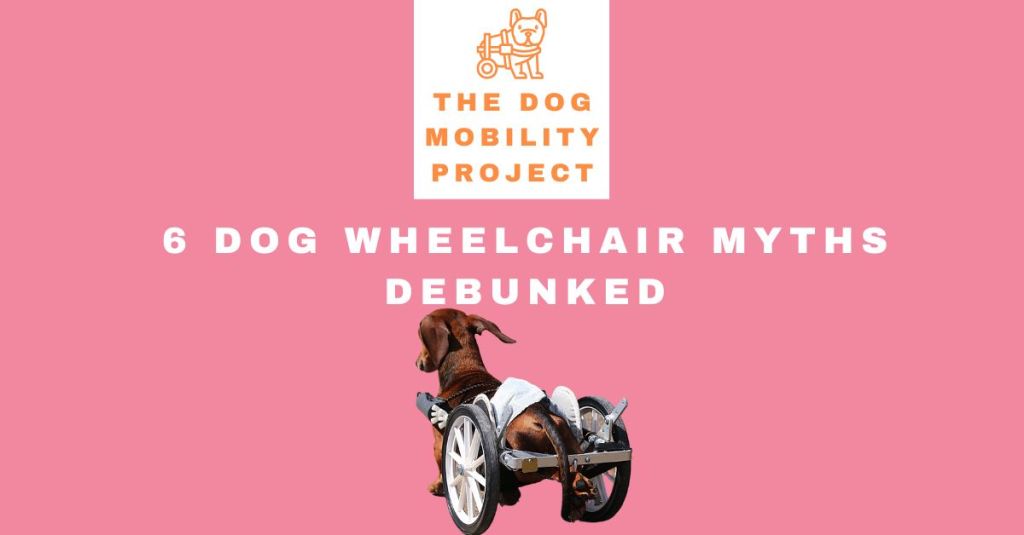
When faced with mobility challenges, many hesitate to invest in a dog wheelchair due to common misconceptions. Unfortunately, these myths can delay getting a dog the help they need to stay active and happy. Especially when there’s a lot of misinformation online, and many veterinary professionals lack experience with dog wheelchairs.
Let’s address some of the most widespread misconceptions about dog wheelchairs and why they are a life-changing tool for pets dealing with mobility issues.
Myth #1: “I’ll wait until my dog really needs it.”
Many pet owners assume they should wait until their dog is completely unable to walk before considering a wheelchair. However, delaying this decision can actually do more harm than good. A dog wheelchair is not just for pets who have lost all mobility; it can be used as a supportive device to help your dog maintain its strength, prevent further deterioration or muscle loss, and keep dogs active for as long as possible. Early intervention with a wheelchair can help maintain muscle tone and reduce joint strain, ultimately improving a dog’s quality of life and keeping them active for longer.
Myth #2: “Only fully paralyzed dogs need a wheelchair.”
While wheelchairs are essential for paralyzed dogs, they are also beneficial for pets suffering from arthritis, hip dysplasia, degenerative myelopathy, or post-surgical recovery. The truth is that dog wheelchairs are designed so your dog can still walk and use their back legs to move normally. In fact, dogs that can still move their back legs are encouraged to use them in the wheelchair while the cart’s frame supports their weight and reduces the stress placed on their legs allowing them move easily. Many dogs using wheelchairs still have some mobility and use their front or back legs to assist with movement. The wheelchair provides necessary support, making it easier for them to stay active and enjoy their daily routine.
Myth #3: “A wheelchair will make my dog lazy.”
Some pet parents (and veternarians) worry that using a wheelchair will make a dog dependent on it and less motivated to move on their own. The fear is that because a cart makes it “easier” for the dog to walk that the dog will refuse to walk without its wheelchair. The truth is quite the opposite—wheelchairs encourage mobility, but if your dog can walk or move without the cart, nothing will hold them back from walking unassisted.
Your dog’s wheelchair is tool to help them walk, but its not something that your dog will become fully reliant on if they heal. By providing stability and balance, a wheelchair allows a dog to exercise safely, maintain independence, and enjoy activities they may have struggled with otherwise. Many dogs experience a renewed zest for life once they regain their ability to move comfortably.
Myth #4: “Dog wheelchairs are cruel.”
This is one of the most heartbreaking misconceptions because it prevents dogs from getting the help they need. Unfortunately on social media you will see a lot of statements like this, but dog wheelchairs are not cruel, they’re not a form of animal abuse. A wheelchair is not a punishment—it’s a gift. Watching a dog struggle to walk without support is far more distressing than seeing them joyfully running in their wheelchair. Dogs adapt quickly, and most take to their new wheels with excitement, eager to explore the world again.
The best thing you can do as a pet parent is to ignore these comments, help educate people that feel this way, and trust that your dog’s wheelchair is the best thing you can do for your best friend. If you’re in doubt, go online and watch videos of dogs running and playing in their wheelchair and you’ll see the truth, the joy on their faces will show you what an incredible life wheelchair dogs can enjoy.
Myth #5: “My dog is too old to use a wheelchair.”
Many people believe that senior dogs won’t adjust to using a wheelchair, but the saying ‘you can’t teach an old dog new tricks’ simply isn’t true. Older dogs are often the ones who benefit the most from wheelchairs, as mobility loss is a common issue in aging pets. Along with mobility issues, older dogs deal with joint pain, arthritis, and hip dysplasia all of which can make every step painful. Using a cart alleviates some of the joint pain to make it wasier for your dog to walk. With a properly fitted wheelchair, aging pets can continue enjoying walks, socializing, and exploring their surroundings. Most dogs, regardless of age, quickly learn how to use their new wheels and regain their enthusiasm for life.
Myth #6: “A wheelchair is too heavy for my dog to pull.”
Some pet owners worry that a wheelchair will be too much for their dog to handle, but this is a misunderstanding of how dog wheelchairs work. Unlike a wagon that a dog has to pull, wheelchairs are designed so that the dog sits in the cart (not on it) to support the dog’s body, allowing them to move naturally while being fully supported. The frame is lightweight and balanced, so the dog sits comfortably in the harness and leg rings (the saddle that support the dog under the hips) while using their legs to propel forward. Most dogs adjust quickly and find that a wheelchair actually makes movement easier, not harder.
The Truth: A Dog Wheelchair Can Be Life-Changing
A dog wheelchair is an incredible tool that restores independence, confidence, and happiness. If your dog is struggling to walk, don’t let misconceptions stand in the way of their well-being. Investing in a wheelchair can mean the difference between a limited, frustrating life and one full of energy and adventure.
If you’re unsure whether a wheelchair is right for your pet, consult with a veterinarian or mobility specialist. Giving your dog the best quality of life possible is what matters most, and sometimes, that means giving them the freedom to roll instead of walk.



 The Dog Mobility Project
Leave a comment