
A Complete Guide for Pet Parents (with Early Detection Checklist + Mobility Tips)
As dogs get older, slowing down is expected—but pain is not.
That’s the part most pet parents aren’t told.
Many mobility issues are shrugged off as “he’s just getting old,” when the real culprit is often arthritis, a progressive and painful joint condition that affects 80% of dogs over age 8. The earlier you can tell the difference between normal aging and arthritis, the sooner you can intervene—and the better your dog’s long-term mobility will be.
At The Dog Mobility Project, we believe in early education, early detection, and proactive care. This guide will help you confidently recognize what’s normal, what’s not, and what steps to take to keep your dog active, comfortable, and happy for years to come.
What Is Normal Aging in Dogs?
Aging naturally brings changes, but these changes should be gradual, mild, and manageable. Dogs experiencing normal aging typically show:
✔️ 1. Slight decrease in stamina
Your dog may take shorter walks or nap more often—but still enjoys movement.
✔️ 2. Mild stiffness after resting
A few slow steps when getting up, then normal mobility within minutes.
✔️ 3. Thinning muscle tone
Just like humans, older dogs lose some muscle mass, especially if less active.
✔️ 4. More cautious movement
They may avoid jumping onto the couch or hesitating before climbing the stairs.
✔️ 5. Hearing and vision changes
These are common with age and not tied to joint health.
What’s important:
Normal aging does NOT include pain, limping, or major behavior changes. Those are red flags for something more.
Arthritis: The Signs You Should Never Ignore
Arthritis is not a normal part of aging. It’s a degenerative condition that causes inflammation, stiffness, and significant pain in the joints. Unlike normal aging, arthritis worsens progressively without intervention.
Here are the hallmark signs your dog may be dealing with arthritis:
❌ 1. Limping or favoring a leg
This often appears first thing in the morning or after activity.
❌ 2. Difficulty standing up or lying down
Arthritic dogs struggle to rise and may “push” themselves up with their front legs.
❌ 3. Slower movement that doesn’t improve after warming up
Normal aging stiffness works itself out—arthritis does not.
❌ 4. Lagging behind on walks
Not just tired—unable to keep pace.
❌ 5. Hesitation or refusal to jump
Caused by joint pain, not age.
❌ 6. Sudden behavioral changes
Irritability, withdrawal, anxiety, or even aggression can all signal chronic pain.
❌ 7. Muscle loss in specific limbs
Especially the rear legs, due to pain-related disuse.
❌ 8. Clicking joints
Crepitus (joint noise) is common in arthritic dogs.
Quick Comparison: Normal Aging vs. Arthritis
| Sign | Normal Aging | Arthritis |
|---|---|---|
| Slowing down | Mild, gradual | Noticeable decline; affecting daily life |
| Stiffness | Improves in minutes | Persistent or worsens with activity |
| Mobility changes | Cautious but capable | Painful, hesitant, or avoids movement |
| Getting up | Slow but steady | Struggles, needs help, uses front legs |
| Behavior | Gentle slowing | Irritability, withdrawal, anxiety |
| Muscle tone | General loss | Specific limb atrophy |
| Walking tolerance | Slightly shorter walks | Fatigue, lagging, refusal |
| Pain | No | Yes—visible discomfort |
If you’re noticing signs in the Arthritis column, it’s time to take action.
🔬 The Real Difference: Pain
The single most important distinction is this:
- Aging causes slowness. Arthritis causes pain.
- Aging is inconvenient. Arthritis is limiting.
Pain changes everything—movement, mood, appetite, sleep, and confidence. The problem is that dogs are experts at hiding it. That’s why early detection matters.
Why Early Identification Matters (More Than You Think)
Most arthritis cases are diagnosed late, after months—or years—of silent pain. But by then, stiffness has already become muscle loss, and muscle loss becomes mobility loss.
Here’s what early identification helps you prevent:
- Joint inflammation
- Muscle atrophy
- Compensatory injuries (overuse of front legs)
- Loss of independence
- Reduced quality of life
Early action = more mobility, less pain, longer activity levels.
The Dog Mobility Project Early Detection Checklist
Give 1 point for every “Yes”:
□ My dog takes more than 5–10 steps to “warm up” after resting
□ My dog hesitates before doing something they once did confidently
□ My dog’s nails on one side are wearing down unevenly
□ My dog’s rear legs seem weaker or smaller
□ My dog sits or lies down “awkwardly” (legs splayed, slow descent)
□ My dog resists being touched near their hips, shoulders, or spine
□ My dog occasionally “bunny hops” when trotting
□ My dog’s gait looks stiff, short, or choppy
Score Interpretation:
- 0–2: Typical aging. Monitor monthly.
- 3–5: Early arthritis likely. Time to intervene proactively.
- 6–8: Significant arthritis signs. Talk to your vet immediately.
What to Do If You Suspect Arthritis
(Here’s where your mobility expertise shines)
✔️ 1. Get a veterinary evaluation
X-rays, orthopedic exams, and pain assessments will confirm the diagnosis.
✔️ 2. Start joint support early
Options include:
- NSAIDs (when prescribed)
- Joint supplements
- Omega-3 fatty acids
- Laser therapy, PT, acupuncture
✔️ 3. Adapt your home environment
- Ramps for cars or furniture
- Non-slip flooring
- Elevated bowls
- Orthopedic bedding
✔️ 4. Use harnesses and mobility aids
Support slings, lifting harnesses, and traction devices help prevent falls and injuries.
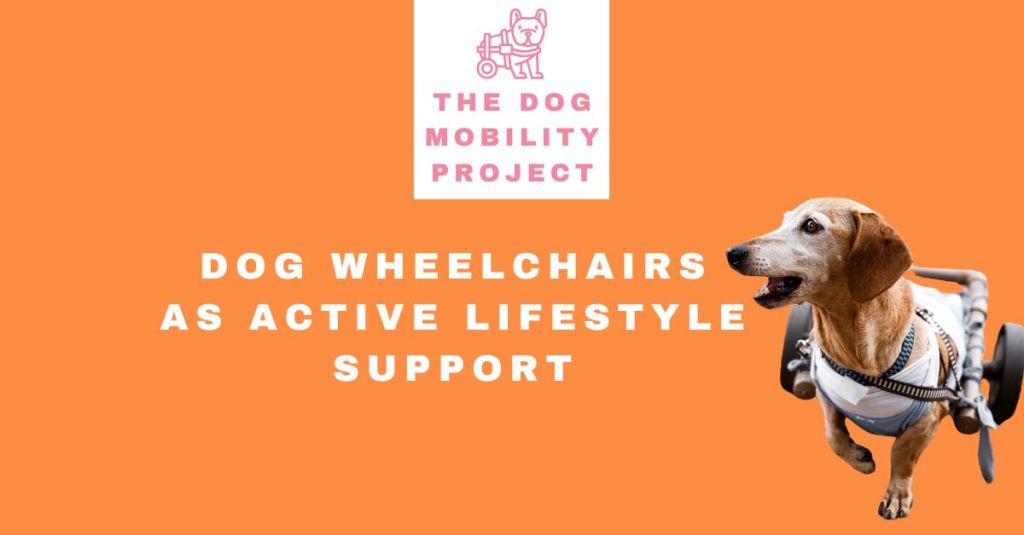
✔️ 5. Explore wheelchair support
Many dogs with arthritis thrive using:
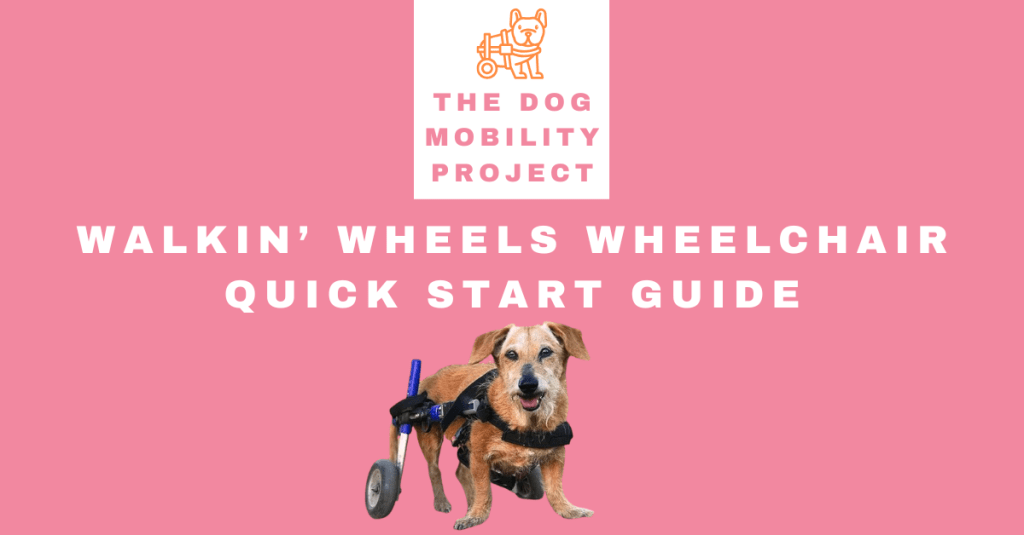
- Rear wheelchairs to reduce weight-bearing
- Full support carts for multi-joint arthritis
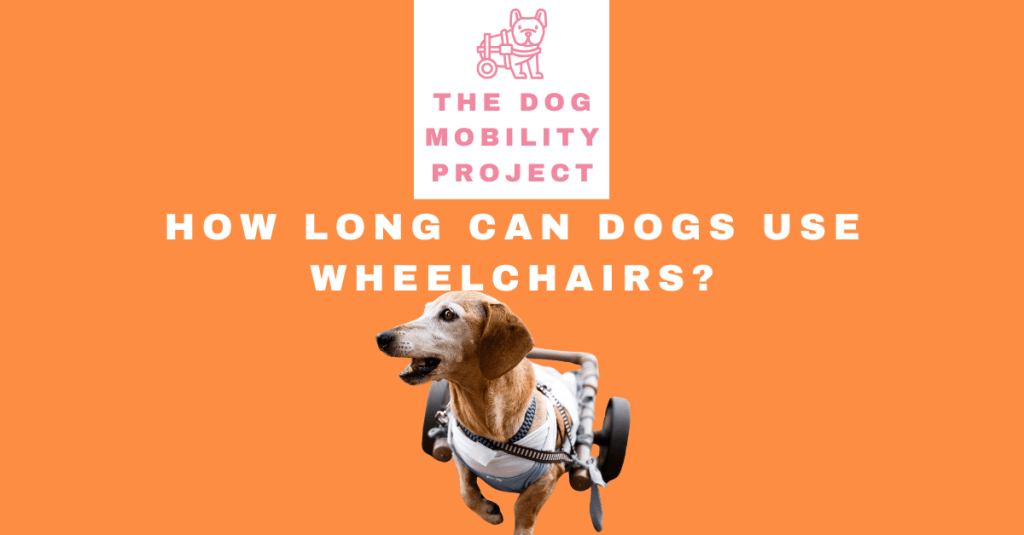
- Part-time wheel use to maintain strength without overloading painful joints
Wheelchairs aren’t a last resort—they’re a tool for movement, relief, and confidence.
Why This Matters
The difference between aging and arthritis isn’t just medical; it’s emotional.
It’s about watching your dog struggle and wondering whether this is “just age” or a sign of something more.
At The Dog Mobility Project, our mission is to ensure you never have to guess. Mobility is a journey, and you’re not walking it alone.


 The Dog Mobility Project
Leave a comment