
Intervertebral disc disease (IVDD) is one of the most common causes of leg weakness and paralysis in dogs, especially in chondrodystrophic breeds (think dachshunds, beagles, French bulldogs), but it’s a spinal condition that can affect any dog.
As a pet parent, the flood of information, crate rest, steroids, surgery, rehab, regenerative medicine, and mobility carts can feel overwhelming. And with a condition as complicated as IVDD, it becomes difficult to know where to start. This article walks through the treatments vets use today, what each involves, how to decide which is right for your dog, and where the research is headed. I’ll also cover practical guidance on dog wheelchairs and when to introduce a wheelchair for a dog with IVDD.
What IVDD Looks Like and How It’s Graded
IVDD happens when an intervertebral disc bulges or ruptures, pressing on the spinal cord. IVDD symptoms in dogs can range from mild back pain and a “wobbly” walk to partial or complete paralysis of the hind limbs, altered pain sensation, and loss of bladder/bowel control. The symptoms can vary greatly depending on the location and severity of the herniated disc.
Veterinarians commonly use a neurologic grading scale to describe severity (from mild pain/antalgic posture to complete paralysis with loss of pain perception). That grade, together with imaging (usually X-rays and/or MRI/CT), is the main factor that drives IVDD treatment recommendations. Conservative (non-surgical) approaches may work for dogs with milder signs; surgery is usually recommended for dogs with severe neurologic deficits, especially loss of deep pain perception. Your vet will walk you through your dog’s diagnosis and the treatment they recommend.
1) Conservative (Medical) Management
What it is
- Strict crate confinement or limited activity for typically 4–8 weeks to allow inflammation to subside and the disc to stabilize.
- Pain management with appropriate analgesics (opioids or other prescription pain meds), anti-inflammatories (NSAIDs or, in selected cases, short courses of corticosteroids under veterinary guidance), and muscle relaxants when indicated.
- Close monitoring for worsening neurologic signs; follow-up exams and often repeat imaging if there’s no improvement or if the dog worsens.
Who it’s for
- Dogs with mild neurologic deficits (e.g., pain, mild ataxia, but still ambulatory and with intact deep pain perception).
- Owners who can strictly enforce confinement and monitor carefully.
Pros and cons
- Pros: Avoids surgical risks and cost; can be successful for many dogs.
- Cons: Some dogs treated conservatively later need surgery (re-extrusion risk), and the recovery can be slow. Studies and clinical reviews show conservative therapy is appropriate for selected patients, but outcomes vary by severity and breed.
Reminder: All treatment options will begin with crate rest, regardless of the IVDD stage.
2) Surgery: Decompression and Stabilization
What it is
- Surgery typically removes the disc material compressing the spinal cord (procedures like hemilaminectomy, dorsal laminectomy, or fenestration). The exact approach depends on the location and type of disc lesion.
- Surgery is often combined with post-op rehabilitation.
Who it’s for
- Dogs with moderate-to-severe neurologic deficits, particularly those that are non-ambulatory or have lost deep pain perception, these cases have the highest chance of neurologic deterioration without surgical decompression.
- Dogs that failed conservative management or have recurrent extrusions.
Pros and cons
- Pros: for many non-ambulatory dogs, timely surgery gives the best chance of recovery of ambulation and function.
- Cons: anesthesia and surgical risks, cost, potential complications (infection, implant issues if stabilization done), and not every dog makes a complete recovery, outcome depends strongly on severity at presentation and how quickly surgery is performed.
Not every dog will be a candidate for surgery. If you think IVDD surgery might be your dog’s best option, make sure to meet with a veterinary neurologist who specializes in spinal conditions. A general veterinary practitioner may not see as many cases of IVDD as a specialist.
3) Rehabilitation & Physical Therapy
What it is
- Tailored plans may include range-of-motion (ROM) exercises, strengthening and balance work, hydrotherapy (underwater treadmill), assisted standing, gait training, massage, electrical muscle stimulation, and home-exercise programs.
- Rehab can be used after surgery, during conservative management, or as an ongoing functional-support plan for chronic cases. Canine physical therapy will help to strengthen your dog’s spine and legs and support your dog’s overall mobility.
Benefits
- Studies report physiotherapy improves recovery and helps prevent secondary complications (muscle wasting, joint stiffness). Rehab can be especially helpful for dogs that are weak or have lost some function and for optimizing quality of life after surgery or in chronic IVDD.
Hint: Any dog experiencing changes in their mobility, whether from IVDD or another mobility condition, can benefit greatly from working with a rehab practitioner.
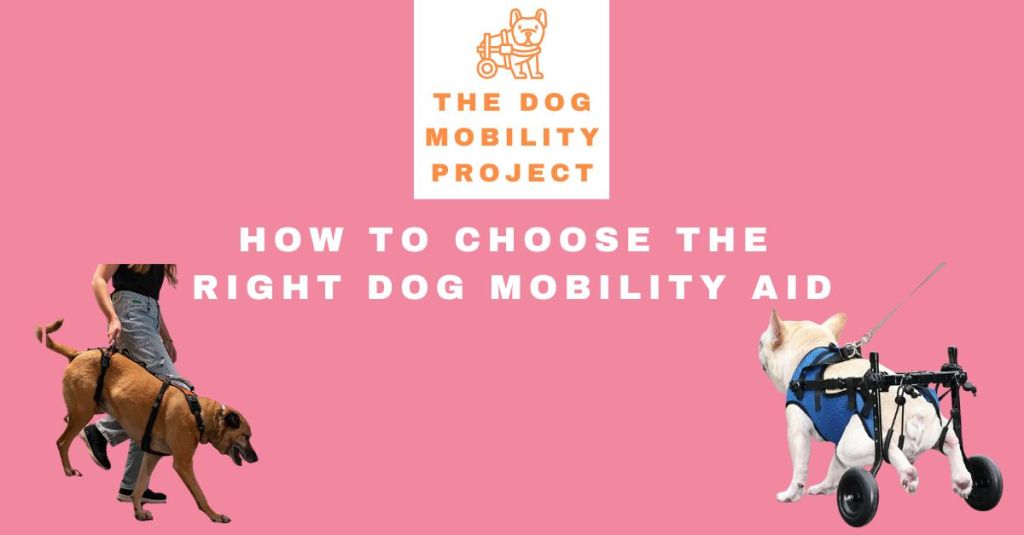
4) Assistive Devices: Slings, Harnesses, and Wheelchairs (carts)
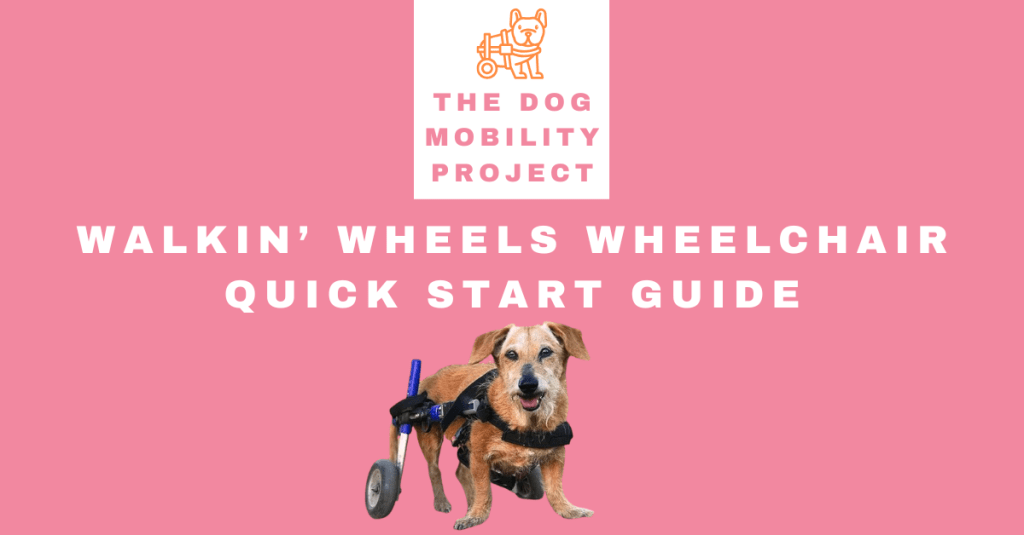
When to consider a dog wheelchair for your dog with IVDD:
- Short term: for dogs that are temporarily non-ambulatory to allow supervised activity and prevent muscle atrophy while they heal or undergo rehab.
- Long term: if a dog remains non-ambulatory or has persistent weakness that significantly impairs quality of life despite medical / surgical treatment, a wheelchair can restore mobility, enable exercise, and reduce secondary complications from immobility.
- Early introduction for adaptation: Some owners and rehab vets introduce supportive devices early (even when a dog has partial use of the legs) to help with balance and to keep the dog active while retraining gait. Using a wheelchair before your dog is paralyzed helps them to stay active without placing too much strain on their legs and maintain their muscle mass.
Practical cues that a cart may help
- Persistent dragging of hind feet, frequent falls, or extreme fatigue with short walks.
- The dog is otherwise bright, eating, and motivated to move but physically unable to perform normal activities.
- After a reasonable recovery window (discussed with your vet) has passed, and the dog still cannot walk on their own without your help.
The “towel test” and professional fitting
- Mobility specialists sometimes use simple in-home tests (like the “towel test”) to evaluate whether a dog has enough forelimb strength to benefit from a rear support cart; but a formal assessment by your veterinarian or a certified canine rehab specialist gives the best guidance.
- A properly fitted cart prevents chafing and secondary problems; many manufacturers and rehab clinics can custom-fit or adjust devices. With a wheelchair that is adjusted (or made) to fit your dog, your dog should be comfortable, supported, and able to walk independently.
Important note: a wheelchair is an assistive device designed to improve your dog’s quality of life, not a replacement for veterinary care. If your dog is in pain, has progressive neurologic deficits, or loses deep pain perception, urgent veterinary evaluation is needed before relying on a cart alone.
5) Emerging and Adjunctive Therapies on the Horizon
- Regenerative medicine (mesenchymal stem cells / cellular therapies): There is growing veterinary research into MSCs and related cellular therapies for orthopedic and neurologic conditions. Early clinical studies and reviews show promise for improving tissue healing, reducing inflammation, and helping function in some conditions, but protocols, dosing, and long-term outcomes are still areas of active research. These approaches remain adjunctive and are not universally accepted as standard care for IVDD — discuss with a veterinary neurologist if you’re considering them.
- Minimally invasive surgical techniques & chemonucleolysis: Newer surgical approaches (endoscope-assisted, minimally invasive) aim to reduce tissue trauma and speed recovery. Enzymatic chemonucleolysis (injecting enzymes to shrink disc material) has seen research interest; recent prospective studies are exploring its role, but it’s not standard everywhere, and candidate selection is important.
- Advanced rehab modalities: expanded use of underwater treadmills, therapeutic laser, neuromuscular electrical stimulation, and carefully staged gait retraining are improving outcomes when combined with standard care. Research supports better functional recovery when rehab is integrated early and consistently after surgery.
How to Choose the Right Treatment for Your Dog
No two IVDD cases are identical. Treatment decisions are individualized and generally depend on:
- Neurologic grade at presentation. Dogs that are ambulatory with pain may be managed conservatively; dogs that are non-ambulatory or have lost deep pain sensation are often surgical candidates.
- Speed and progression of signs. Rapid deterioration or acute paralysis often pushes veterinarians toward surgical decompression.
- Imaging findings. MRI/CT help determine the location, extent of compression, and whether stabilization or a specific surgical approach is required.
- Overall health, age, and anesthesia risk. Some dogs with comorbidities may be poor surgical candidates; in those cases a careful conservative plan + rehab may be chosen.
- Owner capability and goals. Strict crate rest and intensive rehab require time, diligence, and sometimes cost. Discuss expected timelines and realistic outcomes with your vet and a rehab specialist.
Work closely with a veterinary neurologist or an experienced GP vet, plus a certified canine rehabilitation practitioner when possible. Their assessment can make the difference between a treatment that merely avoids risk and one that gives your dog the best chance to regain meaningful mobility.
Typical Recovery Timelines & What to Expect
- Conservative therapy: improvement may be gradual over several weeks; strict rest is required initially (often 4–8 weeks) with gradual return to activity under guidance. Recurrence can happen.
- Surgery + rehab: many dogs show neurologic improvement within days to weeks after decompression; full functional recovery can take weeks to months and is helped by structured rehab. Early intervention where indicated often improves outcomes.
Practical Checklist for Pet Parents
- Get a timely veterinary exam and appropriate imaging if you suspect IVDD. Early grading & imaging steer treatment.
- If offered conservative care, ensure you can provide strict rest and monitoring; ask about red flags that require immediate return to the vet.
- If surgery is recommended, ask about expected outcomes, complication rates, and rehab plans — and whether your dog is a good candidate for minimally invasive techniques.
- Consider early involvement of a certified rehabilitation practitioner whether you pursue surgery or conservative care — rehab helps preserve muscle and speed functional recovery.
- If your dog remains weak or non-ambulatory, discuss assistive tools (slings, carts) with your vet and a mobility specialist; a well-fitted wheelchair can restore activity and improve quality of life.
Final Thoughts
IVDD is serious, but there are effective, evidence-based options from conservative management to advanced surgery, and an expanding field of adjunctive therapies that help dogs recover better than ever. Rehabilitation is not an afterthought; it’s a central part of optimizing outcomes. If your dog is struggling with mobility, the best first step is an urgent veterinary evaluation (ideally with imaging) so you and your vet can choose the pathway that gives your dog the best chance to recover function and enjoy a good quality of life.
Selected references & reading (for deeper dives)
- Samanta A., et al., Intervertebral disc degeneration—Current therapeutic options, 2023 (review). (PMC)
- Rauber J. da Silva, et al., Physiotherapy in the Recovery of Paraplegic Dogs without …, 2024 (study on postoperative rehab). (PMC)
- Freeman P., Percutaneous enzymatic chemonucleolysis of intervertebral …, JAVMA 2025 (emerging treatments). (AVMA Journals)
- Fitzpatrick Referrals — Rehabilitation of IVDD (practical rehab modalities). (Fitzpatrick Referrals)
- American Kennel Club — Wheelchairs for Dogs: everything you need to know (practical guidance on timing and fitting). (American Kennel Club)
- Dog Mobility Project – Walkin’ Wheels vs. K9 Carts vs. Eddies Wheels: Which Dog Wheelchair is Right for You? (Dog Mobility Project)



 The Dog Mobility Project
Leave a reply to Dachshund Mobility Loss: Causes, Challenges, and Solutions – The Dog Mobility Project Cancel reply