
If you don’t know what you should be looking for, the earliest signs of mobility loss in dogs can be hard to spot. And if you don’t spot the signs getting your dog the help they need is impossible.
It’s incredibly important that pet parents pay attention to any changes in their dog’s mobility and leg strength so they can address any issues as early as possible. Identifying the earliest signs of mobility loss in dogs can help you take proactive steps to support your senior dog and improve it’s quality of life as they move into their golden years.
Early Indicators of Mobility Loss
There are some simple signs that your dog’s mobility is changing, and your dog is beginning to lose strength or muscle mass. Here are a few things to look out for:
1. Changes in Walking or Running Patterns
A dog’s gait can reveal a lot about their physical health; often, a change in how your dog walks is the first signs that your dog’s legs are weakening. Look for signs such as:
- Limping or favoring one leg.
- Stiffness, especially after resting.
- A noticeable wobble or unsteady movements.
- Slow or tentative steps
Even subtle changes may signal joint pain, muscle weakness, or nerve issues. A dog with arthritic joints will start to “slow down” as steady, measured steps are less painful than a jog. It may not occur all the time, but if your dog seems reluctant to walk on cold or damp days it may indicate they’re experiencing some joint pain. On longer walks, you may hear your dog scraping its nails or see abrasions on the tops of its feet, which can mean that it is starting to drag its feet when it walks.
2. Reluctance to Move
If your dog seems reluctant to play or take part in activities they once enjoyed, such as running, jumping onto furniture, or climbing stairs, it could be a sign of discomfort or pain. Changes in behavior and an unwillingness to do things they used to love may mean they’re uncomfortable or tired easily. It can be easy to assume that this is just a by-product of your dog getting older and needing more rest, but it may mean your dog is in pain or afraid they’ll stumble. This reluctance often points to arthritis or other joint problems. Any changes in behavior should be paid attention to, and you should tell your vet at your dog’s next checkup.
3. Difficulty Rising or Lying Down
Dogs experiencing mobility issues may struggle to get up from a lying position or take longer to settle when lying down. Having a hard time standing up after a nap or losing their grip when they walk is a good indication that your dog is experiencing mobility challenges. Watch for any signs of discomfort during these transitions, and if your dog needs more assistance getting up off the ground – it’s time to see the vet.
4. Difficulty on the Stairs or Getting into the Car
Everyday activities like climbing the stairs or jumping into the car place a lot of strain on your dog’s joints. When a dog is dealing with joint pain, they will lose confidence in themselves, which may make them avoid the stairs or refuse to get in the car. When a dog struggles, they may ask for your help and even need your support to lift or carry them in these situations. If your dog refuses to jump in or out of the car or use the stairs on their own, it may indicate that they’re experiencing some changes in mobility.
5. Changes in Posture
Look at your dog when they’re standing up. Are there any visible changes in appearance? An arched back, unusual weight shifting, or dragging of the hind legs could indicate underlying issues such as spinal problems or hip dysplasia and can also be a pain indicator.
6. Behavioral Changes
Dogs in discomfort may become more anxious, irritable, or less social. Dogs that have never been aggressive may growl, nip, or shift away when touched. They might also lick or chew specific areas, such as their paws or joints, to self-soothe. This can be a strong indicator of pain and discomfort.
If you notice any behavioral changes in your dog, it’s important to take note of them. Pay attention to what might have caused these changes, how your dog is acting, and any specific signs you observe. Take notes and be sure to share this information with your vet, as these changes can indicate a host of health issues.
What Should You Do If You Notice These Signs?
If you suspect your dog is showing early signs of mobility loss, it’s important to act quickly:
- Consult Your Veterinarian: Seeing your veterinarian should be your very first step. A vet can identify the root cause and recommend treatments or therapies, such as anti-inflammatory medications, physical therapy, or supplements like glucosamine and chondroitin.
- Adapt Their Environment: Make life easier for your dog by using ramps, non-slip rugs, or orthopedic bedding.
- Encourage Low-Impact Exercise: Activities like swimming or gentle walks can help maintain muscle tone and joint health without overexertion.
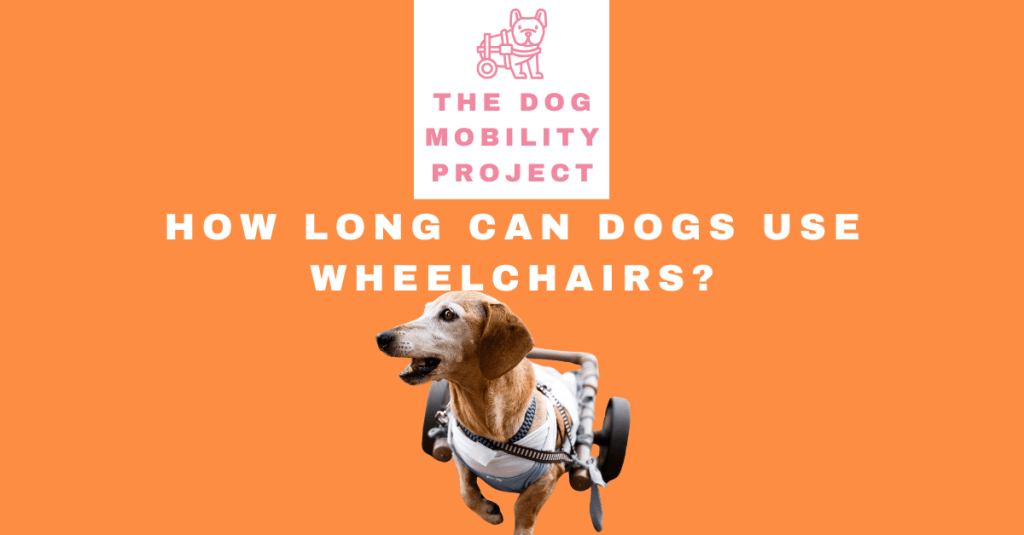
- Explore Mobility Aids: Tools such as dog wheelchairs, harnesses, or braces can provide support and improve your dog’s mobility. Don’t wait; if mobility support can improve your dog’s quality of life, try it. A dog in motion, stays in motion–it’s much harder to get a “down” dog back on their feet than it is to help your somewhat mobile dog to stay active.
When it comes to mobility aids, I like to find options that will adapt to a pet’s changing needs. For harnesses, find one with both rear and front-end support and, ideally, one that can attach to a wheelchair if needed. My favorite is the Buddy Up Harness, where you can purchase the front and rear harness separately. Both are fully compatible with the Walkin’ Wheels dog wheelchair and are also a great tool to help your dog get on the stairs, into the car, or outside to go to the bathroom.
Early Intervention Is Key
The earlier you address mobility issues, the better your chances of improving your dog’s comfort and preserving their independence. Small changes to their care routine can make a big difference, ensuring they stay happy and active for years to come.
At The Dog Mobility Project, we’re here to empower pet parents with the knowledge and resources they need to care for dogs with special needs. If you’ve noticed any of these signs in your dog, know that you’re not alone—support and solutions are always available.



 The Dog Mobility Project
Leave a reply to The Dog Mobility Project’s Top 10 Articles You Need to Read – The Dog Mobility Project Cancel reply