Watching your dog struggle to stand up or slip as they walk across the floor is gut wrenching. Whether due to age, injury, or a medical condition, mobility problems can drastically impact your dog’s quality of life—and yours too. But here’s the good news: you’re not powerless. With the right tools, knowledge, and a little patience, you can help your dog regain independence and joy.
Here are practical ways you can support a dog dealing with mobility challenges:
1. Start with a Vet Visit
Before trying any at-home solutions, it’s essential to determine the cause of your dog’s mobility issues. Arthritis, degenerative myelopathy, hip dysplasia, neurological disorders, or injury could all be culprits. Many of these conditions have similar symptoms and can all impact your dog’s mobility, it’s vital that your vet assesses your dog’s condition so that you get the proper diagnosis and treatment plan. Your vet may recommend X-rays, blood work, or referrals to a specialist. An accurate diagnosis is key to creating a care plan that works.
2. Use Mobility Aids
Dogs don’t have to walk on four legs to live a full life. Today’s mobility aids are game-changers. Some of the most effective options include:
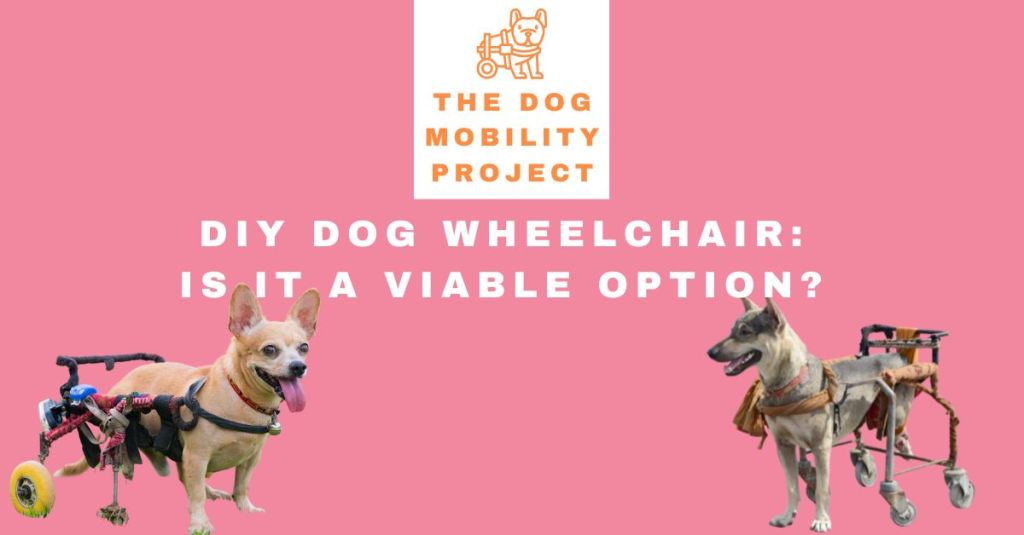
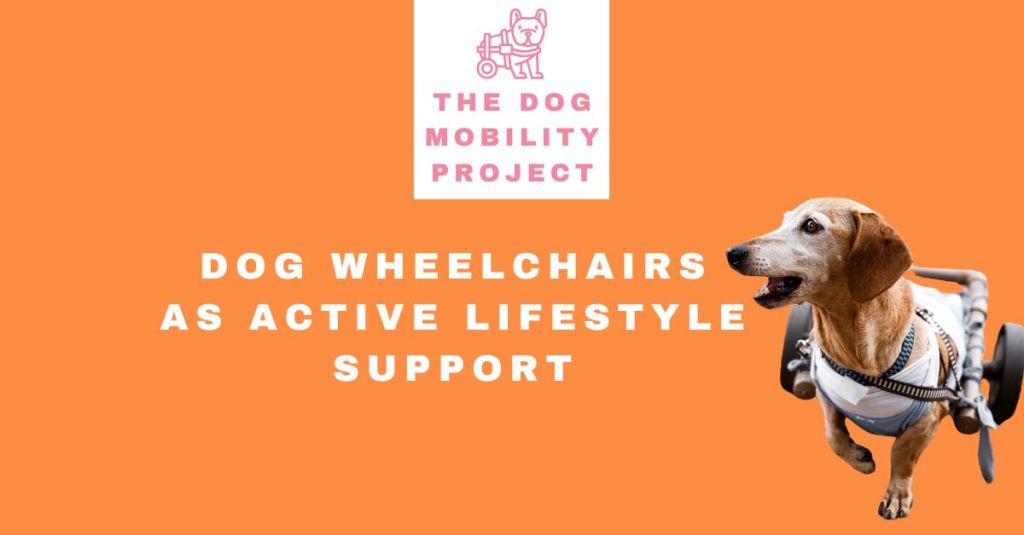
- Dog Wheelchairs: Perfect for pets with hind leg weakness or paralysis, wheelchairs allow dogs to run, play, and enjoy walks again.
- Lifting Harnesses & Slings: These support your dog when getting up, climbing stairs, or going outside to potty.
- Boots & Toe Grips: Help dogs with slipping or dragging paws maintain traction on slick floors. Dog boots can also be worn to protect your dog’s paws from scrapes or abrasions from dragging.
Each aid serves a different purpose, so choosing the right one depends on your dog’s condition and lifestyle.
With any mobility device, its important that you do your research. There are a lot of pet mobility products available, but you need to choose the one that best fits your dog’s needs and lifestyle. In many cases, you may need more than one mobility aid. Many pet parents will choose to use both a lifting harness and a dog wheelchair.
3. Rearrange Your Home
Once you have a diagnosis, you will need to make sure your home is condusive to your dog’s needs. Simple changes can make a huge difference:
- Add non-slip rugs or foam mats in areas your dog frequently walks.
- Use baby gates to block off stairs or unsafe areas.
- Create a cozy, accessible rest spot with orthopedic bedding and low entry.
- Remove clutter and clear space for your dog’s wheelchair to easily maneuver.
- Switch to raised food and water bowls so they are easily accessible.
Making your home more accessible keeps your dog safe—and encourages movement instead of withdrawal.
4. Physical Therapy & Exercises
Canine rehabilitation can slow progression, restore strength, and even improve range of motion. A canine rehab specialist will use multiple therapies to improve your dog’s flexibility, ease joint pain, and help your dog to build strength and muscle tone. Options include:
- Hydrotherapy (like underwater treadmill sessions)
- Laser therapy
- Acupuncture
- Massage and passive range-of-motion stretches at home
Ask your vet for rehab referrals or safe at-home exercises to keep your dog active and engaged.
5. Consider Diet & Supplements
Joint supplements with glucosamine, chondroitin, and omega-3 fatty acids may help reduce inflammation and support joint health. Weight management is just as critical—extra pounds put strain on already-weak limbs.
Feeding a high-quality, vet-recommended diet ensures your dog is getting the nutrients they need to stay as mobile and comfortable as possible.
6. Support Their Emotional Health
Mobility loss can affect more than just the body—it can impact your dog’s confidence, mood, and behavior. Help your dog feel safe, seen, and loved:
- Stick to a routine
- Don’t isolate your dog, keep them close and engaged with your entire family
- Offer enrichment through toys, scent games, or gentle walks
- Give plenty of affection and encouragement
Even if your dog can’t run like they used to, they can still thrive with your support.
Final Thoughts
Helping a dog with mobility issues isn’t always easy—but it is rewarding. You’re not just giving them physical support—you’re giving them a chance to enjoy life on their terms. And at The Dog Mobility Project, we’re here to help you every step (or roll) of the way.
If you have questions about wheelchairs, mobility gear, or need help navigating your dog’s diagnosis, reach out. You’re not alone on this journey—and neither is your dog.


 The Dog Mobility Project
Leave a comment