-
 Continue reading →: Online Communities & Support Groups for Special Needs Pet Parents
Caring for dogs with mobility issues can be daunting, but numerous online communities offer support. These groups provide emotional encouragement, practical advice, and safe spaces for sharing experiences. Resources include Facebook groups, Reddit forums, and specialized educational sites, all aimed at helping pet parents navigate their dogs’ mobility challenges together.
-
 Continue reading →: Recognizing Early Signs of Mobility Problems in Dogs
Mobility issues in dogs often start subtly, such as hesitating on stairs or slowing down. Early signs include limping, difficulty rising, gait changes, and behavioral shifts. Timely recognition and intervention with a vet can improve quality of life, utilizing modifications and treatments to support mobility and comfort. Advocacy is crucial…
-
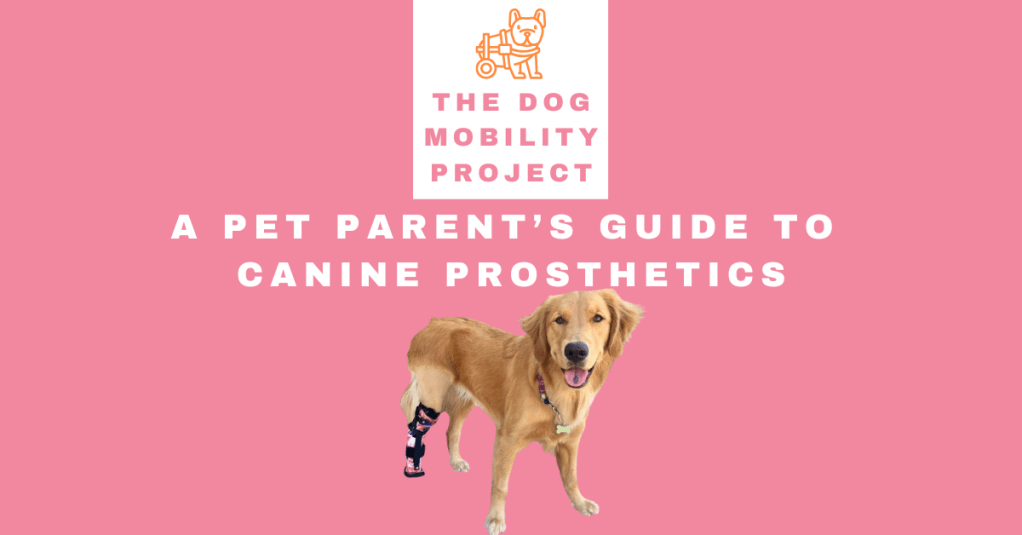 Continue reading →: Helping Dogs Thrive on Three (or Fewer) Legs: A Pet Parent’s Guide to Canine Prosthetics
When a dog faces limb loss due to various reasons, prosthetic options can restore mobility, allowing an active life post-amputation. Custom-fitted prosthetics offer support, but not all dogs are candidates. Consulting veterinary specialists can help assess options, emphasizing the dog’s comfort and long-term health while navigating this emotional journey.
-
 Continue reading →: How to Help a Dog with Arthritis Walk: Tools, Tips & Support
Arthritis in dogs can severely impact their mobility, yet there are supportive strategies available. Owners should monitor signs and consult a vet for diagnosis and care plans. Lifestyle adjustments, mobility aids like harnesses and wheelchairs, and veterinary advice can enhance comfort and independence, allowing dogs to remain active and happy.
-
 Continue reading →: When Love Means Letting Go: End-of-Life and Quality of Life Decisions for Disabled Dogs
Deciding when to say goodbye to a severely disabled dog is a difficult journey for pet owners. This article explores assessing quality of life, available hospice and palliative care options, and when euthanasia may be the compassionate choice. Ultimately, it emphasizes that seeking support and prioritizing your dog’s comfort is…
-
 Continue reading →: Understanding Dog Spinal Injuries and How to Support Mobility
Spinal injuries in dogs can drastically affect their mobility, leading to various degrees of paralysis and quality of life issues. Early intervention and adaptive tools like dog wheelchairs are essential for recovery, promoting independence and reducing strain. With proper care and resources, many dogs can live fulfilling lives despite these…
-
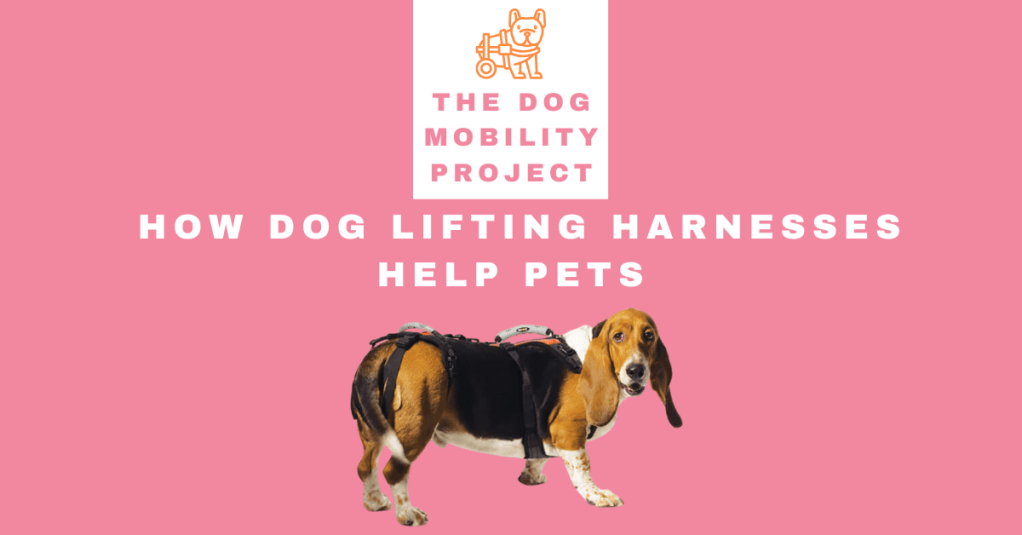 Continue reading →: How Dog Lifting Harnesses Help Pets with Mobility Challenges
When a dog struggles with mobility, even the simplest tasks—like climbing stairs, getting into the car, or going outside to go potty—can become difficult or even impossible. For pet parents, watching their beloved dog lose independence is heartbreaking. But there’s good news: dog lifting harnesses offer a practical, supportive solution…
-
 Continue reading →: Understanding Cerebellar Hypoplasia & How to Help
Cerebellar Hypoplasia (CH) is a rare but manageable neurological condition that affects dogs’ coordination and balance. While it may sound daunting, dogs with CH can live full, joyful lives—with the right support. Whether you’re a pet parent caring for a CH pup or a rescue considering long-term placement, this guide…
-
 Continue reading →: Mobility Issues in Cats: How Cat Wheelchairs Can Help
Cats are known for their agility, independence, and graceful movements. So when a cat begins to show signs of mobility issues, it can be alarming for pet parents. Whether caused by injury, illness, or aging, mobility challenges in cats are more common than many people realize. Fortunately, advances in pet…
-
 Continue reading →: Can a Dog Wheelchair Help with Degenerative Myelopathy, Arthritis, or Cerebellar Hypoplasia?
Learn how a dog wheelchair can support pets with complex mobility issues like degenerative myelopathy, arthritis, and cerebellar hypoplasia. Improve your dog’s comfort, mobility, and quality of life with the right mobility aid.
Hello,
I’m Jennifer

Welcome to The Dog Mobility Project. I’ve seen firsthand the transformative power that adaptive equipment can have on a pet’s life. I’ve heard countless pet parents express regret for not discovering dog wheelchairs or other mobility solutions sooner. That’s why The Dog Mobility Project is so close to my heart.

 The Dog Mobility Project