
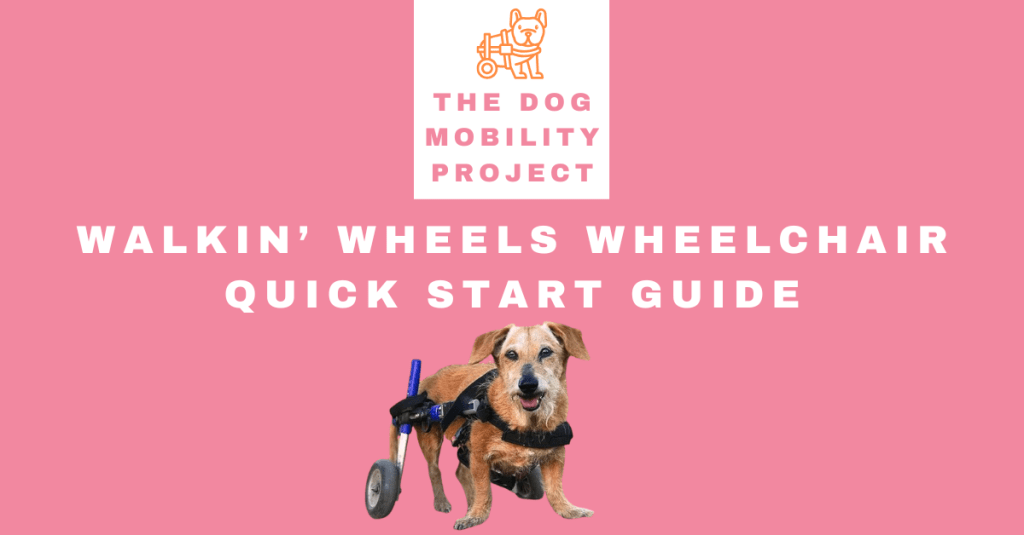
Your first time getting your dog into their new cart can be an incredible experience. However, some dogs may initially resist the idea of using a mobility device. Which can lead to a stressful experience for them (and you). Understanding your dog’s hesitation and guiding them through the transition with patience and positive reinforcement is key to helping them regain their confidence and independence.
Here, we’ll walk you through the process of introducing your dog to a wheelchair and how to ease your dog’s transition into a life on wheels.
Understanding Your Dog’s Resistance
The first step is understanding why your dog might not accept the cart right away. Dogs rely heavily on their instincts and routine. When faced with a new experience, especially one that alters their movement, it’s completely natural for them to be unsure of their new wheelchair. Common reasons dogs resist wheelchairs include:
- Fear of the unknown – The wheelchair is a foreign object, and its presence can be intimidating. If your dog has never worn a harness or clothing, the simple act of wearing the wheelchair harness may be a new experience for them.
- Discomfort with movement changes – Dogs who have adjusted to limited mobility (and even those who haven’t) may find the new sensation strange, and if the cart’s not fitted correctly, it can be uncomfortable.
- Previous pain associations – If a dog has been struggling with mobility issues, they may associate movement with pain and be reluctant to try something new. If they’ve learned that every step hurts, they may avoid walking altogether to avoid pain.
- Sensory overload – The sound, feel, and even wearing the harness and being attached to the wheelchair can be overwhelming at first. A wheelchair feels different, your dog may feel too contained, they may be scared of the sound of the wheels, or even feel like the wheelchair is “following” them.
All of these scenarios can leave a dog scared and nervous, so you’ll need to do everything in your power to help them feel comfortable around their new cart.
Steps to Help Your Dog Adjust to a Wheelchair
1. Introduce the Wheelchair Gradually
Before putting your dog in the wheelchair, allow them to inspect it at their own pace. Leave it in a familiar area where they can sniff and investigate it freely. This will help reduce fear and make it a normal part of their environment. Let them get used to one component at a time, start with the front harness first, breaking down each stage until your dog becomes more comfortable with the cart being a part of their life.
2. Use Positive Reinforcement
Encourage your dog by associating the wheelchair with positive experiences. Offer treats, praise, and affection whenever they interact with it. Rewarding even small steps, such as standing near the wheelchair or allowing you to attach the harness, can build confidence.
Watch your own stress levels too, if you feel your self become upset or frustrated when it comes to getting the perfect fit for your dog’s new wheelchair, stop and give yourself a break. Dogs will pick up on your feelings, if they sense your frustration they may be even more wary of trusting the wheelchair.
3. Start with Short Sessions
The first time your dog uses the wheelchair, keep the session short and in a comfortable environment. Avoid overwhelming them with too much movement at once. Let them stand in it and get used to the sensation before encouraging them to take steps.
This is easier said than done. Most dogs get into their cart for the first time and take off. They’re so excited to be up and moving again that they won’t want to stop, however, being in a wheelchair is a workout. Just because they can walk around the block again, doesn’t mean you should. They are most likely using muscles again that haven’t been used in awhile, so don’t overdue it. Take a break before your dog tires themselves out.
4. Guide Them with Motivation
If your dog is hesitant to walk in their new cart, find something that motivates them. Encourage movement using their favorite toy, treat, or a cheerful voice. Sometimes, having another dog walk alongside them can also encourage movement. If your dog is hesitant to take steps, gently lift their front paws to simulate movement and show them that they can still control their mobility.
5. Ensure Proper Fit and Comfort
More often than not, if a dog is reluctant to walk in their wheelchair it’s because the wheelchair isn’t adjusted correctly. A poorly fitted wheelchair can cause discomfort, making the transition more difficult. Check that the straps, harnesses, and wheels are adjusted correctly. The wheelchair should support their hind end without causing strain on their front legs or back.
Not sure if the wheelchair fits correctly? Many dog wheelchair companies will assess the fit of your dog’s cart through a FaceTime call or look at photos of your dog in the cart and offer advice on what adjustments to make your dog’s cart fit properly. Or check with your veterinarian or canine rehab specialist to help you with the fitting, it’s not available at every practice, but it never hurts to ask!
6. Be Patient and Reassuring
Some dogs take to wheelchairs quickly, while others need more time. Avoid forcing them to move before they’re ready, and never punish hesitation. Instead, continue encouraging them at their own pace, offering reassurance and celebrating small victories.
7. Create a Routine
Incorporating the wheelchair into daily activities can help normalize it. Start with short walks or playtime in a familiar area and gradually increase the duration. Dogs thrive on routine, and making the wheelchair part of their regular routine will help them adjust more smoothly.
Signs of Progress
As your dog becomes comfortable with their wheelchair, you’ll notice:
- Increased willingness to move
- Excitement when they see the wheelchair
- Improved confidence and energy levels
- Engagement in play and outdoor activities again
Celebrate the small victories; every tiny step towards your dog feeling more comfortable around their wheelchair should be rewarded. The goal is to ensure your dog has a positive association with their wheelchair until they can build enough confidence to know it helps, not hurts.
Final Thoughts
Helping a dog adjust to a wheelchair requires patience, encouragement, and a lot of love. Every dog is unique; some may take to it quickly, while others need more time and reassurance. But once they overcome their initial resistance, they’ll experience a new lease on life, regaining their independence and joy in movement. With the right approach, a wheelchair can transform their world, allowing them to keep exploring, playing, and enjoying life to the fullest.



 The Dog Mobility Project
Leave a comment