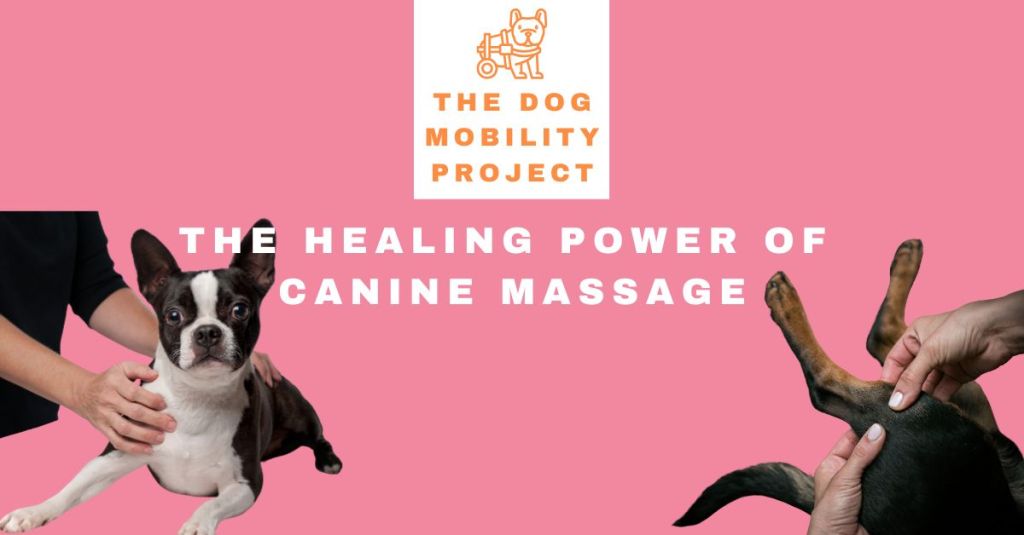
How Massage Benefits Dogs with Mobility Issues
As pet parents, we always strive to give our dogs the best quality of life possible. For dogs facing mobility challenges, whether due to aging, injury, or a disability, canine massage can be a game-changer. Not only does it provide physical relief, but it also helps to boost your dog’s emotional well-being, enhancing the overall quality of life for our four-legged friends.
What Is Canine Massage?
Canine massage is a therapeutic practice involving gentle manipulation of a dog’s muscles and soft tissues. Much like human massage, it aims to relieve tension, improve circulation, and promote relaxation. This holistic approach has gained traction as a complementary therapy for dogs with mobility issues, and for good reason.
The Benefits of Canine Massage for Mobility Issues
- Improved Circulation Massage stimulates blood flow, delivering oxygen and nutrients to tissues while aiding in the removal of toxins. For dogs with mobility issues, better circulation can speed up recovery from injuries and reduce inflammation.
- Pain Relief Dogs with arthritis, hip dysplasia, or spinal conditions often experience chronic pain. Massage helps release endorphins, the body’s natural painkillers, offering relief without the side effects of medications.
- Enhanced Flexibility Regular massage loosens tight muscles, improves joint mobility, and increases range of motion. This is particularly beneficial for dogs recovering from surgery or those with degenerative conditions like intervertebral disc disease (IVDD).
- Stress Reduction Dogs with mobility issues often face frustration or anxiety due to their limitations. Massage promotes relaxation by reducing cortisol levels and increasing serotonin, helping your dog feel more at ease.
- Muscle Maintenance When a dog favors one leg or has limited mobility, it can lead to muscle atrophy in less-used areas. Massage helps maintain muscle tone and balance, preventing further complications.
Techniques to Try at Home
While professional canine massage therapists are highly skilled, there are simple techniques you can use at home to help your dog:
- Effleurage: Gentle, gliding strokes that warm up the muscles and improve circulation.
- Petrissage: Kneading movements to release tension and improve flexibility.
- Passive Stretching: Carefully moving your dog’s limbs to maintain joint mobility and range of motion.
Always observe your dog’s body language and stop if they show signs of discomfort. Consulting with a veterinarian or certified canine massage therapist can help you learn the best techniques for your dog’s specific needs.
When to Avoid Massage
While canine massage is generally safe, there are certain conditions where it’s best avoided or done by a professional:
- Open wounds or skin infections
- Acute injuries with swelling or redness
- Fever or systemic illness
- Severe joint pain or discomfort
- Healing from an injury such as an ACL tear, herniated disc, or other serious condition that has affected your dog’s mobility.
Always consult your veterinarian before starting any new therapy for your dog.
Finding a Certified Canine Massage Therapist
If you’re considering professional help, look for a certified canine massage therapist who has experience working with dogs with mobility challenges. Organizations like the International Association of Animal Massage and Bodywork (IAAMB) or the National Board of Certification for Animal Acupressure and Massage (NBCAAM) can help you find qualified practitioners. Your veterinarian may also have some great recommendations for trained professionals in your area.
The Takeaway
Canine massage is more than a pampering experience; it’s a therapeutic tool that can make a world of difference for dogs with mobility issues. By incorporating massage into your dog’s care routine, you can help them move more comfortably, feel less pain, and enjoy a happier, healthier life.
At The Dog Mobility Project, we’re dedicated to empowering pet parents with resources to enhance the lives of special needs dogs. Have you tried canine massage for your dog? Share your experience with us in the comments, we’d love to hear how massage has helped your pup.

 The Dog Mobility Project
Leave a comment