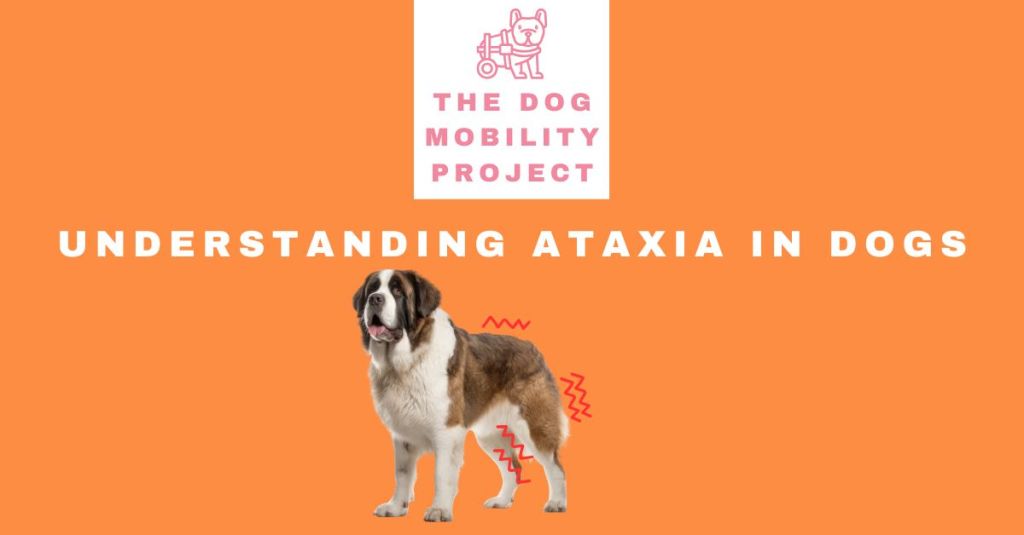
Not sure what ataxia is? You’re not alone. It’s often a word you don’t hear until your dog is diagnosed with it. Ataxia is a medical term that simply means a loss of coordination. In dogs, it often looks like wobbliness, unsteady walking, or trouble balancing, as if they’re a bit dizzy or unsure where their feet are. It’s not a disease itself, but a sign that something is affecting how your dog’s brain, nerves, or muscles are communicating.
Ataxia in dogs is a neurological condition that affects coordination, balance, and movement. Pet parents may first notice their dog wobbling, stumbling, or having difficulty walking. This loss of coordination is often linked to issues in the nervous system, particularly the brain, spinal cord, or inner ear. Understanding the causes, symptoms, and treatment options for ataxia can help pet owners support their dog’s mobility and quality of life.
What Causes Ataxia in Dogs?
Ataxia can be caused by several underlying health conditions, including:
- Cerebellar Disorders – The cerebellum controls coordination, and any damage or malformation can result in ataxia. Cerebellar Hypoplasia is a common cause of balance issues in dogs.
- Spinal Cord Issues – Injuries, tumors, or degenerative diseases affecting the spinal cord can lead to hind leg weakness and instability, such as IVDD.
- Inner Ear Problems – Vestibular ataxia is caused by infections or inflammation in the inner ear, affecting a dog’s balance.
- Toxins and Metabolic Disorders – Ingestion of toxic substances, low blood sugar, or vitamin deficiencies can impair a dog’s nervous system.
- Degenerative Myelopathy – A progressive disease affecting the spinal cord that results in leg weakness, often starting in the hind legs.
Only your veterinarian can determine the underlying cause of your dog’s ataxia. If you see any signs of stumbling or leg weakness in your dog, they need to be assessed by your veterinarian right away. Early diagnosis and treatment is key when you’re caring for a dog with mobility issues.
Signs and Symptoms of Ataxia in Dogs
The symptoms of ataxia vary depending on the underlying cause, but common signs include:
- Loss of balance and frequent stumbling
- Hind leg weakness or dragging of the hind limbs
- Uncoordinated movement or swaying while walking
- Head tilting and abnormal eye movements
- Tremors or difficulty standing up
Your dog may experience one or more of the above symptoms. Any of these symptoms can be caused by a number of mobility conditions and canine health issues, it’s critical that your dog see their veterinarian as soon as possible to begin treatment.
Helping a Dog with Ataxia: Mobility Solutions
While ataxia itself may not be curable, there are ways to improve a dog’s mobility and overall well-being.
1. Physical Therapy and Rehabilitation
Physical therapy, hydrotherapy, and balance exercises can help strengthen a dog’s muscles and improve coordination. Working with a veterinary rehabilitation specialist can provide tailored exercises to enhance mobility.
2. Dog Wheelchairs for Ataxia
A dog wheelchair is an excellent solution for pets experiencing hind leg weakness. Wheelchairs provide stability and support, allowing dogs with ataxia to remain active and enjoy daily walks. Wheelchairs support your dog from underneath their hips, the dog’s feet can still touch the ground allowing the dog to walk naturally while being supported. The balance and support given by a canine cart can help a dog with weak legs stay on their feet and continue walking so they can maintain muscle mass and continue to get their daily exercise. Dogs with partial mobility and some leg movement can benefit from a cart, as it prevents falls, reduces strain on their joints and help them stay active. Remember, a dog in motion will stay in motion, whereas a dog that is “down” for any period of time will have a harder time getting active again.
3. Home Adjustments for Your Dog’s Safety
Making simple modifications at home can greatly improve an ataxic dog’s quality of life. Consider:
- Using non-slip rugs to prevent slipping on hardwood or tile floors
- Installing ramps instead of stairs to reduce the risk of falls and limits joint pressure caused by jumping.
- Providing a supportive harness to help lift and guide your dog–look for one that supports your dog’s hind legs.
4. Medications and Supplements
Depending on the cause of ataxia, veterinarians may prescribe medications to reduce inflammation, manage pain, or treat infections. Joint supplements like omega-3 fatty acids, vitamin E, and B-complex vitamins can also support nerve health.
When to See a Veterinarian
If you notice any signs of ataxia, leg weakness, or sudden changes in mobility, it’s essential to consult a veterinarian. Early diagnosis and treatment can help slow the progression of certain conditions and improve your dog’s quality of life.
Final Thoughts
Ataxia can be a challenging condition for both dogs and their owners, but with the right support, affected pets can continue to lead fulfilling lives. Investing in mobility aids like a dog wheelchair, incorporating physical therapy, and making home adjustments can significantly enhance their comfort and independence. If your dog is experiencing hind leg weakness or difficulty walking, speak to your vet about potential solutions to keep them active and happy.
By spreading awareness about ataxia in dogs and promoting mobility solutions, we can help more pets live life to the fullest despite their condition.






 The Dog Mobility Project
Leave a comment