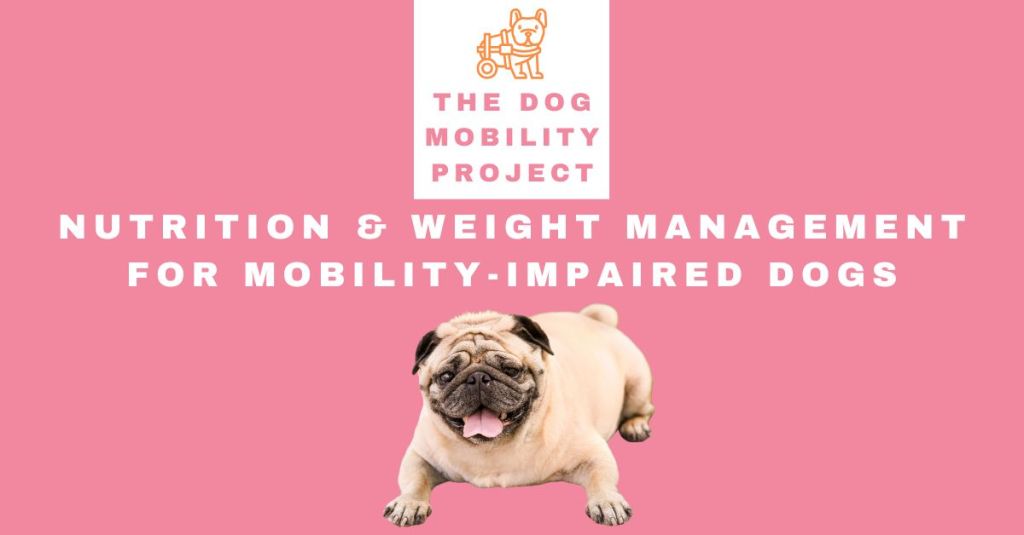
How to prevent weight gain and muscle loss in disabled and paralyzed dogs
When a dog loses mobility—whether from injury, neurological disease, or age-related decline—their daily activity level can change overnight. Without regular walks or playtime, dogs with limited mobility face unique health challenges. Two of the most common are rapid weight gain and muscle loss (atrophy).
Proper nutrition and weight management for mobility-impaired dogs is essential to maintaining strength, supporting joint health, and improving quality of life. Here’s how to keep your dog healthy, balanced, and in motion.
Preventing Weight Gain in Disabled Dogs
For dogs with limited movement, even small calorie surpluses can lead to rapid weight gain. When activity levels drop but food intake stays the same, your dog may quickly pack on extra pounds—and those pounds add strain to already vulnerable joints, spine, and muscles.
Excess weight can:
- Make it harder for your dog to move or use a wheelchair comfortably
- Worsen pain from arthritis or degenerative conditions
- Slow recovery after injury or surgery
If your dog’s activity has recently decreased, adjusting their diet early is key. Talk to your vet about:
- Switching to a low-calorie or weight management dog food
- Reducing portion sizes or spreading meals throughout the day
- Adding low-calorie vegetables (like green beans or carrots) as fillers
Tip: Preventing weight gain early makes it easier for your dog to rebuild strength later—especially if you plan to introduce a dog wheelchair or rehab exercises in the future.
Understanding Muscle Wasting in Mobility-Impaired Dogs
While some dogs gain weight when they become less active, others lose muscle mass due to disuse. This condition—known as muscle atrophy—occurs when dogs can’t bear weight on one or more limbs for an extended period.
Muscle loss can:
- Make it harder for your dog to stand or balance
- Reduce endurance during physical therapy
- Slow overall rehabilitation progress
To prevent muscle atrophy in disabled dogs, try:
- Gentle range-of-motion exercises (guided by your vet or rehab specialist)
- Hydrotherapy or assisted swimming, which supports muscle activity without joint strain
- Using mobility aids, such as support harnesses or wheelchairs, to promote safe movement
- Feeding a protein-rich diet with essential amino acids for muscle maintenance
Supplements like omega-3 fatty acids, L-carnitine, and glucosamine can also help maintain muscle tone and joint flexibility in dogs with mobility issues.
Best Diet for Mobility-Impaired Dogs
Every disabled or mobility-impaired dog is different. Some need fewer calories but higher protein, while others need more energy-dense meals to maintain weight. Work with your veterinarian or a certified canine nutritionist to design a diet that fits your dog’s condition and lifestyle.
Here are some general feeding tips for dogs with limited mobility:
- Track weight weekly. Small gains or losses can indicate the need for dietary changes.
- Measure food portions. Avoid free-feeding to prevent overeating.
- Include lean protein sources. Chicken, turkey, fish, or plant-based alternatives support muscle health.
- Avoid high-fat treats. Instead, use vegetables or small pieces of kibble as rewards.
- Stay hydrated. Water supports digestion and joint lubrication.
Balanced nutrition isn’t just about calories—it’s about fueling recovery, preserving muscle, and maintaining a healthy body condition score.
Supporting a Life in Motion
Helping your dog maintain a healthy weight and strong muscles is one of the best ways to enhance their comfort and longevity. Whether your dog is adjusting to life in a wheelchair or simply moving more slowly, proper nutrition for mobility-impaired dogs can make all the difference.
By combining the right diet, regular vet check-ins, and gentle movement or rehab exercises, you can give your dog the tools to live life in motion—confidently, comfortably, and joyfully.
Key Takeaways for Pet Parents
- Monitor your dog’s weight closely to prevent rapid gain or loss.
- Feed a balanced, protein-rich diet tailored to your dog’s activity level.
- Incorporate gentle movement through mobility aids or therapy exercises.
- Work with your vet to adjust nutrition as your dog’s mobility changes.

 The Dog Mobility Project
Leave a comment