
Hearing that your dog has a condition like degenerative myelopathy (DM), IVDD, hip dysplasia, or paralysis can feel like the ground drops out from under you. One day, you’re worrying about toys, treats, and training. The next, you’re facing a medical term you wish you’d never heard—and wondering what it means for your best friend’s future.
It’s natural to feel overwhelmed. Many pet parents immediately think: “I’ll fight for my dog. I’ll do whatever it takes.”
That’s exactly the right instinct. But here’s the part that no one talks about: fighting for your dog doesn’t always mean curing them. Sometimes, fighting looks like adapting.
Shifting the Mindset: From Cure to Care
We often think of “fighting” as finding a fix—a surgery, a treatment, or a miracle drug. And while medical intervention can absolutely help in some cases, the truth is that not every diagnosis has a cure.
But that doesn’t mean your dog’s story is over. It just means the fight changes shape.
Fighting becomes:
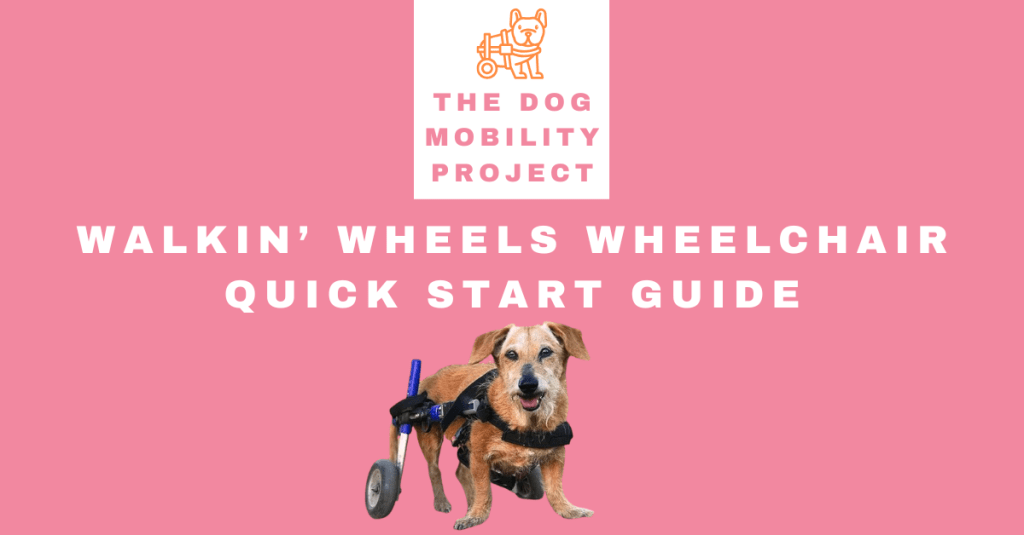
- Learning how to fit and train your dog to use a wheelchair.
- Figuring out mobility aids like slings, ramps, or booties.
- Rearranging furniture so your dog can move around safely.
- Adjusting your routine to make sure they can still be part of daily life.
In other words, fighting becomes about giving your dog the best life possible, right now, with the body they have today.
Dogs Don’t See Themselves as Broken
Here’s a truth that’s easy to forget: dogs don’t mourn the way we do.
A dog who loses the use of their back legs doesn’t sit around thinking about what they used to do. They don’t see a wheelchair as a loss of dignity. They don’t view diapers as embarrassing.
They live in the moment—with excitement, love, and gratitude. A dog who can no longer chase a ball might still love rolling in the grass. A dog in a cart will still wiggle with joy when you pick up their leash.
Your dog isn’t worried about their diagnosis. What they care about is you.
What Fighting Really Looks Like Day-to-Day
When you commit to fighting for your dog, it won’t always feel glamorous. In fact, it’s often messy, exhausting, and emotional. But it’s also filled with moments of pure love.
Here’s what that fight might look like:
- Learning & Advocating
Sometimes vets say “no” to mobility tools like wheelchairs because they’ve never seen them used successfully. Fighting means being your dog’s advocate—researching, asking questions, and being open to second opinions. - Adapting Your Home
Fighting might mean laying down rugs for traction, using baby gates to block stairs, or investing in ramps so your dog stays part of family life. - Getting Creative with Care
You’ll become a master of problem-solving—whether that means learning how to express a bladder, trying diapers, or finding boots that actually stay on. - Choosing Joy in the Hard Moments
There will be accidents. There will be days when you’re exhausted. Fighting means laughing when you can, crying when you need to, and remembering that your dog doesn’t measure life by “perfect.”
Finding Your Support System
No one should have to navigate this journey alone. Fighting for your dog also means finding your community.
- Talk to Other Pet Parents: Join Facebook groups or forums for owners of dogs with DM, IVDD, or mobility issues. You’ll find tips, encouragement, and people who get it.
- Connect with Nonprofits: Organizations like Joey’s P.A.W, Rescued Rollers, and Handicapped Pets Foundation offer financial help and resources for mobility tools.
- Lean on Friends & Family: Don’t be afraid to ask for help lifting, walking, or caring for your dog. Most people want to help but don’t know how until you ask.
The Heart of the Fight: Believing in Your Dog
Fighting for your dog isn’t about refusing to accept reality—it’s about choosing to believe that your dog still deserves happiness, freedom, and dignity.
That might mean:
- Taking them on walks in their cart.
- Letting them splash in a kiddie pool.
- Sitting with them in the sun.
- Celebrating small victories, like mastering a ramp or wagging through a tough day.
The fight isn’t about adding years—it’s about adding life to every day they have.
Final Thoughts
When your dog gets a diagnosis, it’s okay to grieve. It’s okay to feel angry, sad, or lost. But once the emotions settle, remember this: fighting for your dog doesn’t mean curing them. It means showing up every single day with love, patience, and belief in their ability to thrive.
Your dog doesn’t see themselves as broken. They don’t dwell on what’s been lost. All they know is that they have you.
And to them, that’s everything.



 The Dog Mobility Project
Leave a comment