Watching your dog struggle to walk because of arthritis is heartbreaking. Every step that once came so easily can now be a challenge—stiff joints, muscle loss, and pain slowing down even the most active pup. The good news? You’re not powerless. There are many ways to support your arthritic dog and help them move with more comfort, confidence, and independence.
From lifestyle adjustments to mobility aids like harnesses and wheelchairs, this guide walks you through how to help your dog with arthritis keep moving—safely and happily.
Understanding Canine Arthritis
Arthritis is a degenerative joint condition that causes inflammation, pain, and stiffness. It’s especially common in senior dogs and large breeds, but it can affect dogs of any age, especially if they’ve had previous injuries or genetic conditions like hip dysplasia.
Signs your dog’s arthritis is affecting their mobility:
- Stiffness after rest or in the morning
- Difficulty standing up or sitting down
- Hesitation with stairs, jumping, or getting into the car
- Limping or favoring a limb
- Slower pace on walks
- Muscle loss in the hind end
If your dog shows these signs, a veterinary diagnosis is the first step. From there, you can build a care plan that includes pain management, physical therapy, and mobility support.
Daily Tips to Help Your Arthritic Dog Walk More Comfortably
Here are a few simple ways to support your dog’s mobility at home:
- Keep walks short and consistent – Gentle movement helps lubricate joints without overdoing it.
- Use non-slip rugs or mats – Prevent slips on hardwood or tile floors.
- Maintain a healthy weight – Excess weight puts added strain on already painful joints.
- Add ramps or stairs – Make it easier for your dog to get into bed, the car, or on the couch.
- Massage and heat therapy – Can help loosen stiff muscles before activity.
- Talk to your vet about supplements – Like glucosamine, omega-3s, and joint protectants.
But even with all this support, some dogs need a little extra help walking—and that’s where mobility devices come in.
Mobility Devices: Harnesses vs. Wheelchairs
Arthritis doesn’t always mean full loss of mobility—but it often means dogs need help with balance, stability, and strength. Two of the most common tools to help arthritic dogs walk are support harnesses and dog wheelchairs. The key is knowing which is right for your dog’s condition and stage of mobility loss.
Dog Support Harnesses: For Dogs Who Can Still Walk, But Need Help
A dog lifting harness is ideal for dogs with arthritis who still walk on their own but struggle with stairs, getting up, or maintaining balance. It allows you to support their front, rear, or full body, reducing the pressure on painful joints.
Benefits of a harness for arthritic dogs:
- Helps your dog stand up from a lying position
- Assists with stairs, curbs, and getting into cars
- Reduces pressure on hips and knees
- Lets you guide your dog without pulling on a leash or collar
- Prevents falls on slick or uneven surfaces
Best for: Dogs with mild to moderate arthritis who still have some strength and control but need occasional support.
Dog Wheelchairs: For Dogs with Advanced Arthritis or Hind-Leg Weakness
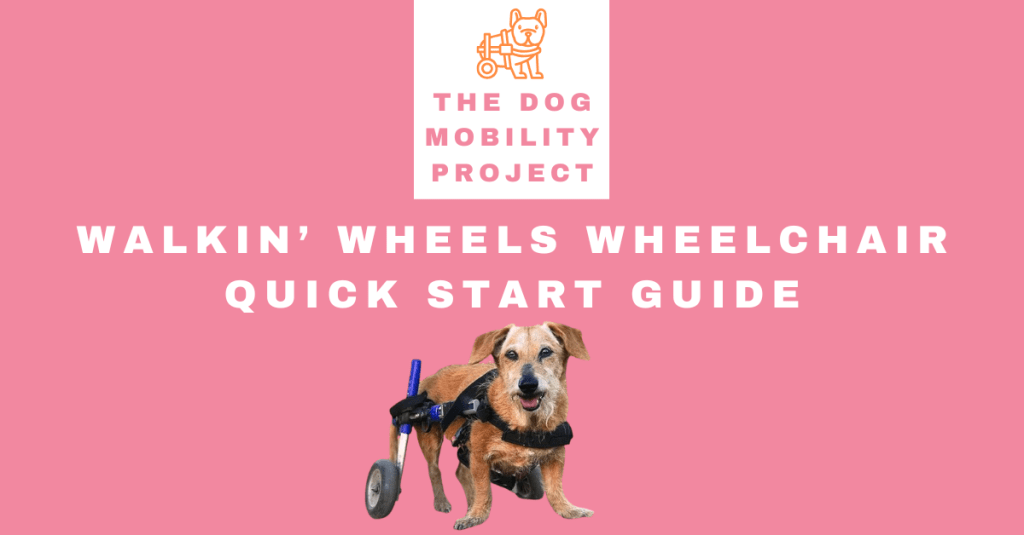
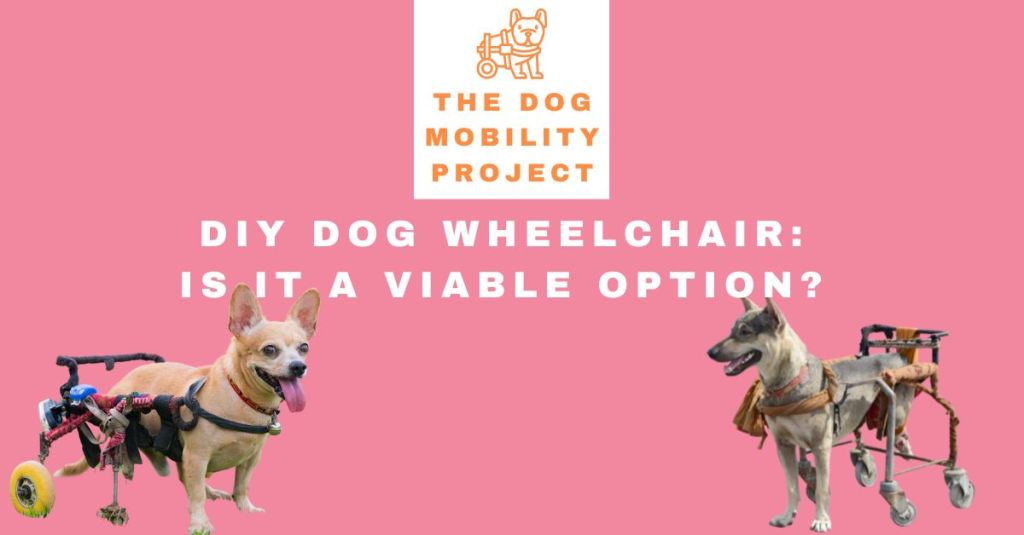
When arthritis leads to significant rear leg weakness or your dog begins dragging limbs, a rear support dog wheelchair can restore mobility and independence. Even if your dog can walk a little on their own, a cart can take pressure off painful joints and allow them to move more freely.
Benefits of a wheelchair for arthritic dogs:
- Reduces stress on hips, knees, and spine
- Helps dogs walk longer distances without tiring
- Supports weak hind legs to prevent falls
- Keeps dogs active and mentally stimulated
- Can be used during rehab or permanently
Best for: Dogs with severe arthritis, especially in the hips or lower spine, or those who can no longer support their rear weight without pain or instability.
Can My Dog Use Both?
Absolutely. Many dogs start with a support harness and graduate to a wheelchair as their arthritis progresses. Some use both depending on the situation—such as using a harness indoors and a wheelchair for outdoor walks.
What matters most is finding the right tool for your dog’s current needs, and adjusting as those needs change.
Final Thoughts: Keep Them Moving, Keep Them Happy
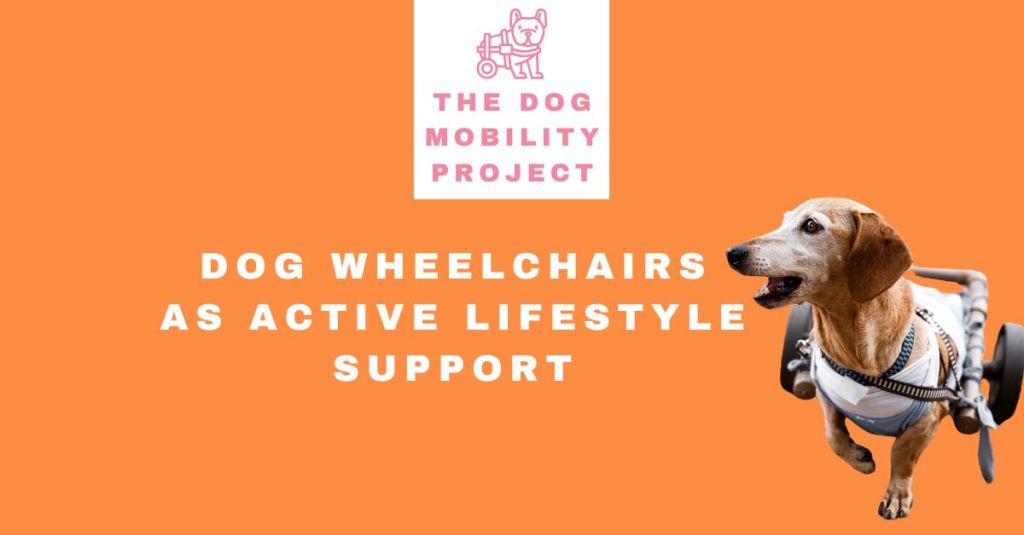
Mobility loss from arthritis doesn’t have to mean the end of your dog’s active life. With the right combination of care, support, and tools like harnesses or wheelchairs, you can give your dog the freedom to keep doing what they love—whether that’s walking in the yard, playing with their favorite toy, or simply greeting you at the door.
At The Dog Mobility Project, we believe every dog deserves to live life in motion—even with arthritis. If you’re unsure what your dog needs, we’re here to help guide you with resources, real-life stories, and expert advice.
Because when you support your dog’s body, you lift their spirit too.


 The Dog Mobility Project
Leave a comment