Cerebellar Hypoplasia (CH) is a rare but manageable neurological condition that affects dogs’ coordination and balance. While it may sound daunting, dogs with CH can live full, joyful lives—with the right support. Whether you’re a pet parent caring for a CH pup or a rescue considering long-term placement, this guide explores what CH is, how it affects mobility, and how tools like dog wheelchairs can make all the difference.
What is Cerebellar Hypoplasia?
Cerebellar Hypoplasia is a developmental disorder in which the cerebellum—the part of the brain responsible for coordination and fine motor control—doesn’t fully develop. This underdevelopment can happen in utero due to genetic factors, infections, or toxins. It’s most commonly seen in puppies and kittens at birth, though the severity of symptoms can vary widely.
Breeds Commonly Affected by Cerebellar Hypoplasia
Cerebellar Hypoplasia can occur in any breed, but some seem to be more frequently represented in rescue cases or breeder-reported incidents. While CH is typically congenital and not breed-specific, there are trends that can help owners and veterinarians spot early signs.
In Dogs:
CH has been observed more frequently in the following breeds:
- Bull Terriers – Particularly noted in hereditary cases with more severe symptoms.
- Chow Chows
- Airedale Terriers
- Boston Terriers
- Beagles
- Border Collies
- Wirehaired Fox Terriers
- Irish Setters
- Standard Poodles
In some of these breeds, CH may be linked to a genetic component. Responsible breeders often test for and screen out inherited neurological conditions, but CH can also be caused by prenatal infections, toxins, or trauma.
In Cats:
Cerebellar Hypoplasia is more commonly recognized in cats and is often associated with feline panleukopenia virus (FPV) exposure in utero. Any kitten whose mother was exposed during pregnancy is at risk, but CH has been frequently seen in:
- Domestic Shorthairs (especially among shelter kittens)
- Calicos and Tabbies (due to their prevalence in shelter populations)
- Persians
- Siamese
It’s worth noting that in cats, CH is not breed-specific in the way hereditary disorders might be—it’s most often linked to viral exposure or developmental interruption.
A Note for Breeders and Adopters:
If you’re adopting from a breed prone to neurological conditions or you’re seeing unsteady movement in a young puppy or kitten, early veterinary assessment is key. CH is non-progressive and non-contagious, and animals with CH can live long, healthy lives—especially when supported with mobility aids and a safe environment.
Cerebellar Hypoplasia in Cats
Cerebellar Hypoplasia is often more widely recognized in cats, particularly shelter kittens. Sometimes referred to as “wobbly cat syndrome,” CH in felines results in similar symptoms to dogs—though cats tend to show a bit more dramatic flair.
Symptoms of CH in Cats:
- Jerky or unsteady walking
- Head tremors, especially while eating or playing
- Splayed stance
- Uncoordinated jumping or climbing
- Frequent falls or tumbles
Just like in dogs, CH in cats is non-painful and non-progressive. Many cats adapt quickly and become skilled at navigating their surroundings. They’re often playful, affectionate, and full of personality.
How to Help Cats with CH:
- Create a safe indoor space with ramps, low entry litter boxes, and padded play areas.
- Use carpet runners or yoga mats for traction.
- Feed from raised, stable bowls to minimize spills and frustration.
- Keep furniture arrangements consistent, as CH cats rely on muscle memory to move around.
Important: While wheelchairs are regularly used for cats with CH. Due to their flexible, low-to-the-ground movement style, get a four-wheel wheelchair when buying a cart for a cat. Some feline cases may also benefit from using a mobility harness or sling-style support during therapy.
Symptoms of CH in Dogs
Dogs with CH are typically bright, alert, and eager to engage—but they move differently. You may notice:
- Wobbly or uncoordinated gait (ataxia)
- Head bobbing or tremors, especially when trying to focus
- Wide-legged stance for stability
- Difficulty with fine motor tasks, like navigating stairs or climbing
- Falling frequently, though without pain or distress
- Symptoms that do not worsen over time, unlike degenerative conditions
It’s important to confirm CH with a veterinarian, often via clinical signs and imaging (such as an MRI) to rule out other neurological conditions.
How to Support a Dog with CH
1. Create a Safe, Stable Environment
- Use non-slip rugs or foam mats to help your dog gain traction indoors.
- Keep food and water dishes in stable, non-tip bowls.
- Avoid stairs and sharp corners, or use baby gates to block off risky areas.
2. Assistive Tools and Mobility Aids
Not every CH dog will need a wheelchair, but for moderate to severe cases, mobility support can improve quality of life dramatically.
How Wheelchairs Help CH Dogs:
- Stability: A wheelchair provides a steady base, helping your dog stay upright while moving or eating. A quad or full support wheelchair with four wheels offers the most support and works best for dogs with CH. Because of their balance issues and jerky movements, a cart’s support is necessary to keep your dog upright and mobile.
- Confidence: Dogs with CH may be hesitant to move due to frequent falls. A wheelchair gives them the confidence to explore more.
- Muscle development: Staying active helps prevent muscle loss and joint stiffness.
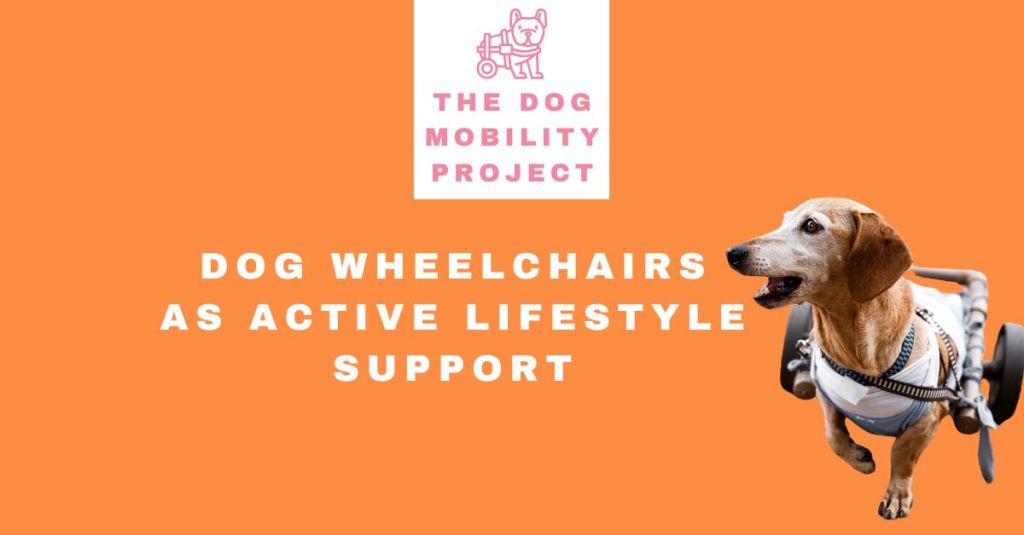
- Outdoor activity: With wheels, CH dogs can enjoy walks, fresh air, and play—just like any dog.
Many CH dogs benefit from full support wheelchairs. Any pet with CH should be using a wheelchair from their earliest days and throughout their life.
3. Physical and Sensory Enrichment
- Encourage supervised play and gentle walks.
- Try toys that encourage movement without frustration.
- Incorporate balance-building activities, such as standing on wobble boards or cushions, as tolerated.
4. Stay Consistent and Celebrate the Wins
Dogs with CH thrive on routine. They often adapt remarkably well with patience and encouragement. Celebrate progress—whether it’s standing without falling or taking a few steps in a new wheelchair.
Common Myths About CH
Myth: Cerebellar Hypoplasia animals are in pain.
Truth: CH isn’t a painful condition. It’s not progressive or degenerative—most animals adapt and live happily.
Myth: They can’t live normal lives.
Truth: There is no reason why a dog or cat with Cerebellar Hypoplasia can’t live a normal life. With the right support, CH dogs and cats can run, play, and cuddle like any other pet.
Myth: Wheelchairs are only for paralyzed dogs.
Truth: Not true. Wheelchairs are mobility aids; they are helpful for dogs with coordination challenges, muscle weakness, and balance issues, not just those with paralysis.

 The Dog Mobility Project
Leave a comment