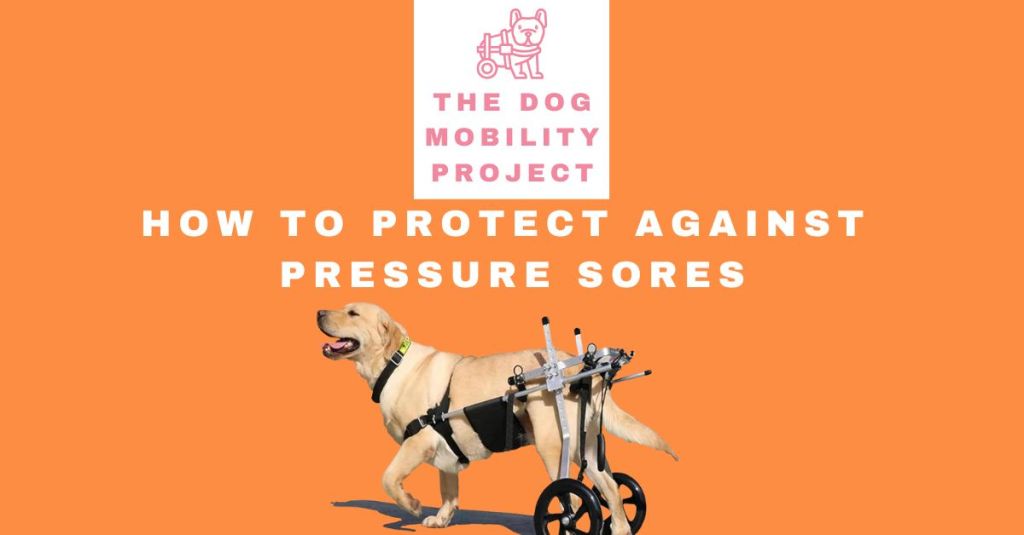
If your dog uses a wheelchair, you’re already taking an incredible step toward giving them a happier, more active life. But did you know that improper wheelchair use can lead to painful pressure sores, chafing, or skin irritation?
It’s a common issue that many pet parents face—and one that’s not often talked about. Most wheelchair guides focus on how to get your dog walking again, but few explain how to protect their skin while they do it. Preventing sores and discomfort takes more than just strapping your pup into their cart—it requires proper fit, supportive padding, and regular check-ins to keep them safe and thriving.
In this article, we’ll guide you through the steps to prevent pressure sores, reduce rubbing, and make wheelchair time as comfortable as possible for your dog. Here’s how you can protect your dog’s skin while keeping them happily on the move.
What Are Pressure Sores in Dogs and Why Are They a Concern?
Pressure sores, also known as pressure ulcers or decubitus ulcers, are areas of damaged skin and tissue that develop when there’s prolonged pressure or friction—especially over bony areas like the hips, elbows, or spine. For dogs using wheelchairs, these sores can form where the harness, support rings, or straps press against the body. Because these areas are under constant stress during movement or weight-bearing, pressure sores are not only painful but also notoriously slow to heal. Once the skin breaks down, the open wounds can easily become infected and may require long-term wound care or even limit your dog’s ability to use their cart. That’s why preventing pressure sores from the start is one of the most important parts of wheelchair safety for dogs with mobility issues.
1. Start with a Proper Fit
Before anything else, make sure your dog’s wheelchair fits correctly. An ill-fitting cart is one of the top causes of skin irritation. When the wheelchair frame, harness, or leg rings place pressure on the wrong areas, it can lead to friction, rubbing, or pinching—especially around the underarms, hips, and belly. Not only is this uncomfortable, but it can lead to skin irritation, open wounds, and scrapes that are difficult to treat.
✅ Tip: Check that the cart’s harness and support rings are snug but not tight, and that your dog can move naturally without strain. If you’re unsure, consult with the manufacturer or a veterinary rehab professional to adjust for a better fit.
2. Use Soft Padding in High-Contact Areas
Most wheelchairs come with basic harnesses, but not all include adequate padding for sensitive spots. Adding soft, breathable padding (like fleece wraps or medical-grade foam) to any contact points can help reduce friction and disperse pressure more evenly. Many pet parents will buy sheepskin seatbelt covers and repurpose them to cover the foam padding on their dog’s rear support rings. Although the velcro used on these may also cause a rub point.
Common areas to pad:
- Under the chest and belly
- Around the leg rings
- Behind the shoulders
- Under any belly support straps
✅ Tip: Choose moisture-wicking materials to prevent skin from staying damp after a walk or potty break.
3. Rotate Time In and Out of the Cart
Even if your dog loves being in their wheels, extended time without a break can increase the risk of pressure sores. Try to balance activity time with rest. Use the wheelchair for exercise and play, when it’s time to rest, we recommend taking them out of their cart. This will allow your dog’s skin to breath and help limit the risk of creating a sore spot.
✅ Tip: Start with short sessions and gradually build up, giving your dog time out of the cart to lay down comfortably, stretch, and reposition.
4. Inspect Skin Daily—Yes, Daily!
Dogs can’t tell us when something starts to feel uncomfortable. That’s why it’s critical to do a daily check, especially during the first few weeks of using a wheelchair.
Look for:
- Redness or irritation
- Hair loss at contact points
- Any open sores or scabs
- Changes in your dog’s behavior while in the cart (e.g., reluctance to move, licking certain areas)
✅ Tip: If needed use a flashlight or camera phone if needed to check under the belly and around the groin, where pressure sores often start. Look for redness on the skin or any hot spots that may indicate irritation, most often this can be seen with the naked eye.
5. Keep Skin Clean and Dry
Moisture trapped against the skin, especially in warm weather, can quickly cause problems. After walks or playtime, wipe down your dog’s skin and fur, especially around padded areas and where the harness touches their body. If your dog is incontinent or pees on their cart this can lead to urine burns if it isn’t cleaned properly!
✅ Tip: For incontinent pets, use a barrier cream (with vet approval) and clean the area after any accidents to prevent urine scald.
6. Talk to Your Vet or Rehab Specialist
If you notice any signs of skin breakdown or irritation, consult your vet immediately. They may recommend topical treatments, adjusting the wheelchair fit, or limiting use until the skin heals. A certified canine rehab therapist can also help evaluate pressure points and suggest solutions like custom padding or alternate mobility supports.
Your Dog’s Comfort Comes First
A wheelchair should be a source of freedom, not discomfort. By being proactive—adding the right padding, monitoring skin regularly, and allowing breaks—you can help your dog enjoy their mobility while keeping their skin healthy and protected.
At The Dog Mobility Project, we believe that every dog deserves to live life in motion—and with the right care, that life can be comfortable, too.


 The Dog Mobility Project
Leave a comment