
It’s one of the most common—and understandable—questions pet parents ask when considering a dog wheelchair: “Can my dog lie down or rest in the cart?”
The short answer? No, most carts are not designed for lying down or sitting. And while that might seem like a drawback, there are good reasons for it—and some important considerations to help your dog stay comfortable throughout their mobility journey.
Why Can’t Dogs Lie Down in a Cart?
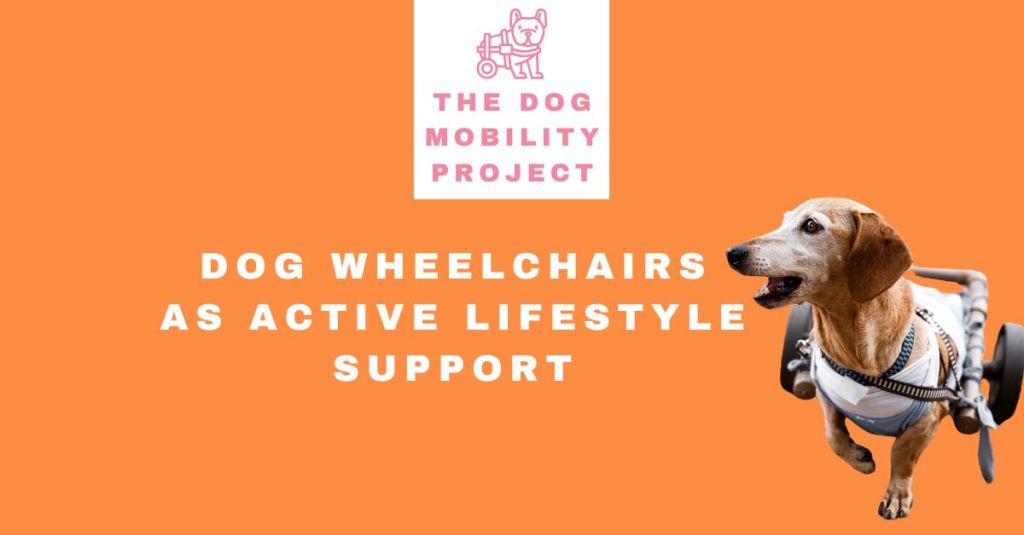
Dog wheelchairs, especially rear support carts, are designed with one mission in mind: to get your dog moving. Their purpose is to support your dog’s back end, promote walking and standing, and prevent dragging or collapse. This upright positioning is critical for helping dogs build strength, maintain circulation, and avoid secondary complications like pressure sores or muscle atrophy.
The design of most carts keeps the dog’s rear legs gently suspended or supported in stirrups or slings, and their front legs bear weight naturally. Allowing a dog to lie down while strapped into this setup would:
- Misalign the spine and hips
- Place unsafe pressure on joints or the abdomen
- Create a tipping risk
- Ultimately make resting uncomfortable or even dangerous
That’s why resting should happen outside the cart. Use the cart for supervised activity and mobility, and always give your dog frequent breaks to lie down comfortably on a soft bed or supportive surface.
What About “Sit Down” Wheelchairs?
Yes, there is a “sit down” style wheelchair on the market. It’s an inventive idea—but one I don’t recommend for most dogs.
Why?
While the concept of a dog being able to sit without leaving the cart may sound convenient, the reality is more complicated. Sit-down wheelchairs introduce complex mechanics that can interfere with natural posture and stability. Most dogs don’t instinctively adjust to sitting in a rigid or awkward frame; some may even become more anxious or unstable in these devices. The only “sit down” dog wheelchair on the market doesn’t have great customer reviews. If you’re considering purchasing one I strongly recommend watching videos of it in action. I’ve seen a few, and in every video I’ve seen signs that the cart is not sturdy and appears to collapse instead of mimicking the natural movement of a dog sitting down.
Additionally, sitting in a cart can still place pressure on delicate areas or misalign the spine if not perfectly fitted—something that’s hard to guarantee, especially as a dog’s needs evolve.
The Best Workaround: Frequent Breaks & Supportive Routines
Instead of trying to make your dog rest in the cart, build a daily rhythm that balances movement and rest. Here’s how:
- Use the wheelchair for activity sessions: walks, playtime, or supervised mobility around the house or yard.
- Create a comfy recovery space: orthopedic beds, memory foam mats, or cushioned crates can help your dog fully relax when out of the cart.
- Watch for fatigue cues: panting, slowing down, or changes in gait are signs your dog needs a break.
- Lift and support as needed: for dogs with limited mobility, slings or harnesses can help during transitions in and out of the wheelchair.
- Utilize alternative solutions for rest: a drag bag is a simple solution to protect your dog’s chest, belly, and legs from scrapes when they’re not using their wheelchair.
Remember, the cart is a mobility tool—not a full-time support system. It’s meant to empower your dog to explore, exercise, and regain independence. But real rest and healing happen when they’re comfortably off their paws.
Final Thoughts
Your dog’s comfort is your top priority—and that includes rest. While wheelchairs aren’t designed for lying down, that doesn’t mean your dog can’t thrive. With a balanced routine, proper use of the cart, and plenty of loving support, your pup can stay active and comfortable.


 The Dog Mobility Project
Leave a comment