One of the most common questions we hear from pet parents is: “How do I know the right time to get a wheelchair for my dog?”
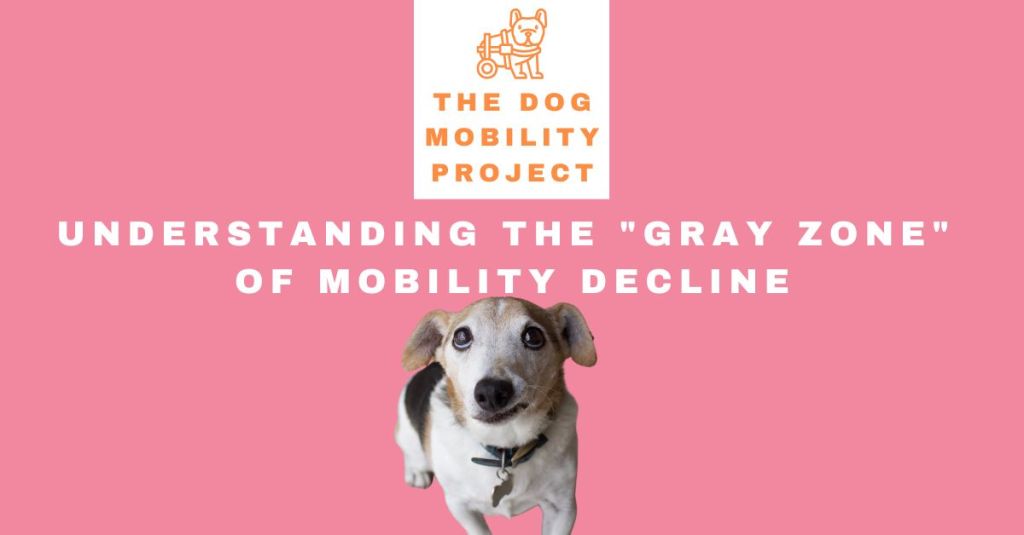
It’s a deeply personal decision—and one that’s often filled with doubt, especially when your dog is in the “gray zone” of mobility decline. They’re not fully paralyzed. They’re not moving like they used to. They’re somewhere in between. You see there’s a change in mobility….but is it bad enough that a wheelchair is necessary?
If you’ve found yourself second-guessing whether it’s too soon—or fearing it might be too late—you’re not alone.
Let’s talk through what to look for, and how to make the most compassionate choice for your pet.
What Is the “Gray Zone” of Mobility Decline?
This is the in-between stage. Your dog may:
- Still walk, but with visible effort or imbalance
- Stumble or drag a paw occasionally
- Hesitate on stairs or struggle to rise from lying down
- Tire more quickly during walks
- Show muscle loss in the back legs
- Your dog just has “bad days” and rebounds
They’re not fully immobile—but they’re clearly declining.
This stage can last weeks, months, or longer. Every dog’s mobility journey is completely different. And it’s often the hardest time to decide what “help” looks like, especially when your dog can still technically get around.
Why Many Pet Parents Wait Too Long
One of the biggest misconceptions is that wheelchairs are only for paralyzed dogs.
In truth, wheelchairs are mobility aids—just like a walker or cane for a person. They’re not a “last resort.” They’re tools for comfort, safety, and freedom. They give your dog enough support so that your dog can move without strain, and for many dogs this still means using their back legs.
But we see it all the time: people wait until their dog can no longer stand before considering a cart. By then, muscle loss may be severe, and the dog’s spirit may be dimmed by frustration and pain.
The result? A much harder transition to using a wheelchair—and often a shortened period of benefit.
My best piece of advice is do not wait to get a wheelchair. If you think your dog would benefit from using a cart, you’re right. Follow your gut and don’t wait. It will be the best thing you’ve ever done for your dog.
Signs It May Be Time for a Wheelchair
Here are signs your dog may benefit from trying a wheelchair now:
- They can walk, but not far or without assistance
- You’re using a sling or towel to help them go potty
- They’re starting to lose balance and fall more often
- They drag their toes or scuff their nails
- You’re modifying walks or routines to accommodate them
- They tire easily
- They walk stiffly or tentatively
- You feel yourself saying, “They’re slowing down, but still happy.”
The last one is key. A cart doesn’t mean your dog is giving up. It means you’re preserving their ability to explore, play, and feel independent.
Can You Try a Cart Too Early?
Honestly? Not really. I’ve heard many pet parents will purchase a wheelchair before their dog needs to rely on it full time. They may use the wheelchair for extra support for longer walks, to use when their dog is having a bad day, or when their dog is first diagnosed to help ease the transition. However, if your dog is just a little stiff, they might not be ready yet. But you can still plan ahead.
Talk to your vet or a canine rehab specialist. They can assess your dog’s strength and recommend exercises or assistive devices (like booties, harnesses, or support slings) while you monitor their progression.
Think of a wheelchair as a proactive tool—not just a reactive one.
What If It Feels Too Late?
Even dogs with significant mobility loss can still benefit from a cart. In fact, many dogs take to their wheelchair with enthusiasm, even after being down for weeks. The keys are:
- Ensuring the cart is properly fitted and adjusted
- Helping your dog build confidence through short, positive sessions
- Being patient and celebrating small wins
Even if your pup only has a few months left, those months can be filled with fun activities and movement when they’re supported. Understand that if your dog is later in their diagnosis you may need to shift what success will look like with the wheelchair. Your dog will not suddenly be able to run and it won’t change the limitations of their condition. What the wheelchair will do is help support your dog in a standing position, help them stay on their feet, and minimize the pressure they’re placing on their legs. It will also make it easier for your dog to get outside and go to the bathroom.
Final Thought: It’s About Quality of Life
Ask yourself:
- Is my dog still eager to engage with the world?
- Are they frustrated by their limitations?
- Can a mobility aid help them regain a sense of independence?
If the answer is yes, you’re not “giving up” by getting a wheelchair. You’re giving more—more time, more dignity, and more tail wags.
You don’t have to wait for your dog to be fully immobile. You just have to listen.
Their body may be slowing down, but their spirit doesn’t have to.
When in doubt, explore your options. Talk to a vet, a mobility specialist, or reach out to The Dog Mobility Project—we’re here to help guide you every step of the way.



 The Dog Mobility Project
Leave a comment