Canine cruciate tears and knee injuries are some of the most common orthopedic issues affecting dogs. These injuries, which often involve the cranial cruciate ligament (CCL), can lead to pain, limping, and difficulty moving. Whether caused by trauma, degenerative conditions, or overuse, knee injuries require timely intervention to ensure your dog regains mobility and quality of life. This article explores treatment options, post-operative care, and innovative support products that can help dogs recover and thrive.
A cruciate tear occurs when the cranial cruciate ligament, which stabilizes the knee joint, becomes partially or fully ruptured. This injury is comparable to an ACL tear in humans and can result in significant pain and instability. Unfortunately, studies show that up to 50% of dogs who suffer a cruciate tear in one knee will experience a similar injury in the other knee within a year due to increased strain and compensatory movements. Early intervention and support are critical to minimizing this risk.
Treatment Options for Canine Knee Injuries
Surgical Intervention
Surgery is often the recommended treatment for severe CCL tears or knee injuries. Common surgical procedures include:
- Tibial Plateau Leveling Osteotomy (TPLO): Alters the knee’s mechanics to stabilize the joint.
- Lateral Suture Stabilization: Uses sutures to mimic the ligament’s function.
- Tibial Tuberosity Advancement (TTA): Shifts the alignment of the knee to reduce stress on the joint.
While surgery can be highly effective, it’s a significant financial and emotional commitment. Rehabilitation and ongoing support play a critical role in the recovery process.
Non-Surgical Alternatives
For dogs unable to undergo surgery due to age, health, or financial constraints, non-surgical options can provide relief and improve mobility:
- Weight Management: Reducing your dog’s weight minimizes strain on injured joints.
- Physical Therapy: Tailored exercises can strengthen muscles and stabilize the joint.
- Medications: Anti-inflammatory drugs and pain relievers can alleviate discomfort.
- Joint Support: Supporting the knee with a brace or wrap can help reduce pain and prevent further injury.
Post-Operative Care and Rehabilitation
Rehabilitation is essential for dogs recovering from knee surgery. A well-rounded plan includes:
- Controlled Exercise: Gradual reintroduction of movement prevents further injury.
- Hydrotherapy: Swimming or underwater treadmill sessions improve mobility without stressing the joint.
- Cold and Heat Therapy: Applying cold packs reduces swelling, while heat promotes circulation.
- Physical Therapy: Professional guidance ensures safe and effective exercises.
Innovative Support Products for Dogs with Knee Injuries
Dog Wheelchairs
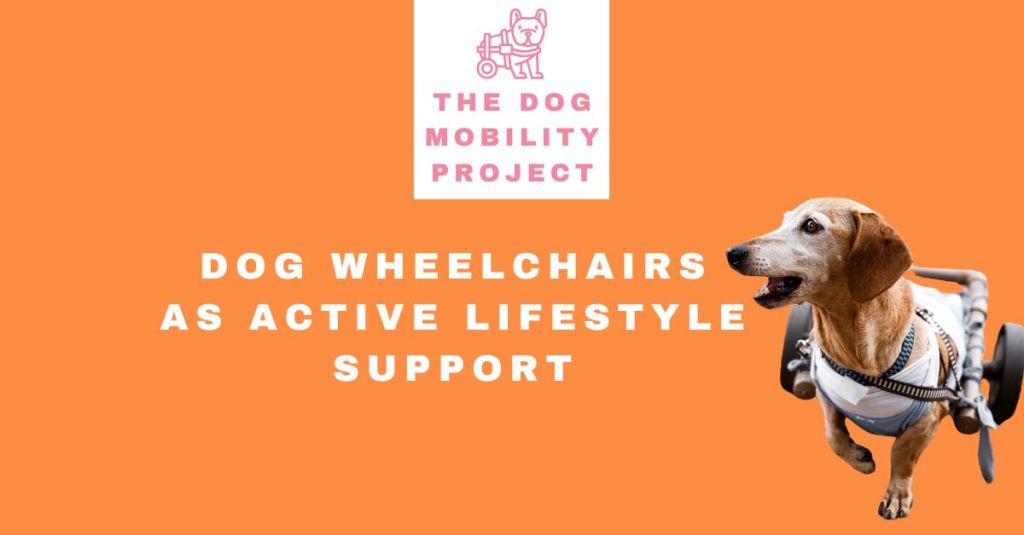
Wheelchairs are not just for dogs with permanent mobility challenges; they’re also valuable for dogs recovering from knee surgery or managing injuries non-surgically. Using a dog wheelchair will reduce the pressure and weight that your dog places on their injured limb. They also alleviate strain on the healthy leg, potentially reducing the risk of your dog tearing the cruciate ligament in the other leg.
These devices:
- Provide temporary support, allowing the injured leg to heal.
- Prevent further strain on the injured knee.
- Enable dogs to stay active, maintaining their mental and physical health.
Dog Knee Braces
Knee braces offer stabilization and reduce the risk of further injury. They’re especially helpful for:
- Dogs awaiting surgery.
- Post-operative support.
- Managing chronic conditions like arthritis or partial CCL tears.
There are two options for knee braces: a soft wrap style that offers gentle joint support and a custom knee brace that is custom-built to fit your dog’s leg. The custom knee brace offers the most support, but it is expensive, and there will be a delay while your dog’s cruciate brace is being made. When choosing a knee brace, ensure it’s properly fitted and consult your veterinarian for recommendations.
Other Supportive Products
- Orthopedic Beds: Reduce pressure on joints and provide comfort.
- Harnesses and Slings: Aid mobility and help dogs navigate stairs or uneven terrain.
- Joint Supplements: Glucosamine, chondroitin, and omega-3 fatty acids support joint health and recovery.
The Role of Mobility Solutions
Incorporating mobility aids into your dog’s recovery or management plan can make a world of difference. Products like wheelchairs, braces, and harnesses provide both immediate relief and long-term support, ensuring your dog can enjoy an active, pain-free life. At The Dog Mobility Project, we’re passionate about empowering dogs to live life in motion, offering resources and solutions for every stage of their mobility journey.
If your dog is experiencing a knee injury, consult your veterinarian to create a tailored treatment plan that addresses their unique needs. With the right combination of care, products, and support, your dog can overcome the challenges of a cruciate tear or knee injury and get back to doing what they love most.

 The Dog Mobility Project
Leave a comment