
German Shepherds are known for their intelligence, loyalty, and athleticism. A breed often trained for law enforcement and the military. However, like many breeds, they are prone to certain health issues that can affect their mobility as they age. Whether caused by old age, injury, or degenerative conditions, mobility loss can be distressing for both dogs and their pet parents. This article explores common causes of mobility issues in German Shepherds, focusing on symptoms, treatment options, and supportive care, including the use of German Shepherd wheelchairs.
Recognizing Symptoms of Mobility Loss in German Shepherds
Mobility loss in German Shepherds may develop gradually or appear suddenly, depending on the underlying cause. Key symptoms include:
- Weakness in the hind legs: Dogs may have difficulty standing, climbing stairs, or jumping.
- Unsteady gait: Noticeable wobbliness or lack of coordination when walking.
- Dragging paws: A telltale sign, often resulting in worn-down nails.
- Pain or reluctance to move: Indicated by whimpering, excessive panting, or changes in behavior.
- Paralysis: Severe cases may involve complete loss of movement in the hind legs.
If your German Shepherd exhibits these symptoms, consult a veterinarian promptly to determine the cause. In many cases, early diagnosis and treatment can be critical for a better outcome or even to slow the progression of the mobility condition.
Common Mobility Conditions in German Shepherds
There are several conditions can lead to mobility loss in German Shepherds:
- Hip Dysplasia: A genetic condition where the hip joint doesn’t fit properly into the socket, leading to arthritis and pain.
- Arthritis: Common in older dogs, arthritis causes joint inflammation and stiffness, reducing mobility.
- Degenerative Myelopathy (DM): A degenerative genetic condition that impacts leg strength and leads to paralysis. Extremely common in GSDs.
- Intervertebral Disc Disease (IVDD): A condition where spinal discs degenerate or herniate, compressing the spinal cord and causing pain or paralysis.
- Luxating Patella: This occurs when the kneecap slips out of place, affecting the dog’s ability to walk normally.
- Spinal Stenosis: A narrowing of the spinal canal that can compress nerves and result in hind-limb weakness.
- Traumatic Injuries: Accidents or injuries can cause fractures, ligament tears, or nerve damage, impacting mobility.
Recognizing the specific condition affecting your dog is essential for developing an effective treatment plan.
Degenerative Myelopathy in German Shepherds: A Common Culprit
Degenerative Myelopathy (DM) is a progressive neurological condition that primarily affects the spinal cord, leading to hind-limb weakness and eventual paralysis. German Shepherds are one of the breeds most commonly affected by this disease.
Symptoms of Degenerative Myelopathy
- Early signs include slight hind-limb weakness, stumbling, and scraping back toenails. These symptoms may happen periodically and can be easy to dismiss as a sign your dog is getting older.
- As the disease progresses, the signs become more prominent, and dogs with DM will experience difficulty standing or walking on their own, with hind-limb paralysis and possible incontinence.
- As the condition moves up the spine towards the head, the front legs will lose strength.
- Unlike some other conditions, DM is not painful, but it significantly impacts mobility and quality of life.
Diagnosing and Managing Degenerative Myelopathy
DM is diagnosed through a combination of physical exams, genetic testing, and ruling out other conditions like arthritis or herniated discs. While there is no cure, management strategies can improve a dog’s quality of life:
- Physical therapy: Exercises and hydrotherapy can help maintain muscle strength and delay the disease’s progression.
- Assistive devices: Harnesses and German Shepherd wheelchairs provide mobility support. Every GSD with DM will require a wheelchair at some point in its diagnosis.
- Dietary supplements: Omega-3 fatty acids, vitamin E, and antioxidants may support overall joint health.
Treatment Options for German Shepherd Mobility Loss
Treatment depends on the specific cause of mobility loss. Common approaches include:
- Medication: Anti-inflammatory drugs, pain relievers, and joint supplements for arthritis or injuries.
- Surgery: In cases of spinal injuries or severe hip dysplasia, surgical intervention may be necessary. Surgery will not help shepherds with DM.
- Rehabilitation therapy: Techniques such as laser therapy, acupuncture, and massage can alleviate discomfort and enhance mobility. It’s strongly recommended that dogs with DM have regular rehab sessions.
- Lifestyle modifications: Non-slip rugs, ramps, and orthopedic beds can make daily life easier for dogs with limited mobility.
German Shepherd Wheelchairs: A Lifeline for Mobility
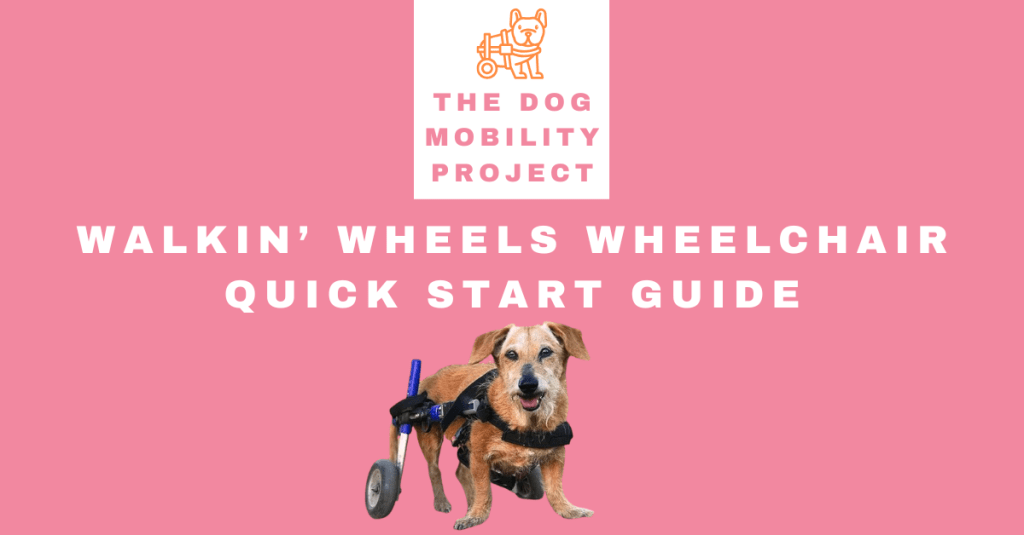
For dogs with significant hind-limb weakness or paralysis, German Shepherd wheelchairs can be transformative. As a larger breed, it can be incredibly difficult to lift and get your shepherd outside to relieve themselves. It doesn’t have to be hard. Wheelchairs are designed to support your dog’s weight, help them stand in a natural position, and make it easier for them to walk and get outside to pee and poop. These devices support the hind legs, enabling your German Shepherd to get the exercise they need and continue to maintain an active lifestyle.
Benefits of German Shepherd Wheelchairs
- Enhanced mobility: Restores independence and allows dogs to engage in physical activity. Your shepherd can enjoy their daily walks and get back to what’s important, spending time with their family.
- Improved mental health: Active dogs are often happier and less prone to depression. A “down” dog can quickly become depressed and feel extremely isolated since they can no longer enjoy their favorite activities.
- Prevention of secondary issues: Regular movement helps maintain muscle mass and prevent pressure sores from spending so much time lying down. Pressure sores in paralyzed dogs are common on hips, back legs, and bony joints from being prone in one position. Pressure sores are incredibly difficult to treat and can become a chronic condition.
- Allows your dog to pee and poop: wheelchairs allow dogs “to go” naturally, not only can your German Shepherd pee and poop while using their cart, the movement and posture of being in the wheelchair will make it easier for them to relieve themselves.
Choosing the Right Wheelchair for Your German Shepherd
When selecting a wheelchair for your German Shepherd, consider factors such as:
- Adjustability: Ensure the wheelchair can accommodate your dog’s size and specific needs. If your shepherd has DM, understand that their mobility loss will worsen, and choose a cart that can adapt with them.
- Durability: High-quality materials are essential for active dogs like German Shepherds.
- Comfort: Padded harnesses and lightweight frames minimize discomfort during use.
Many companies specialize in mobility aids for pets, offering a range of options to suit different needs and budgets.
Supporting Your German Shepherd Through Mobility Loss
Caring for a German Shepherd with mobility issues requires patience, commitment, and compassion. Here are some tips to ensure their comfort and well-being:
- Maintain a routine: Consistency helps reduce stress for dogs with mobility challenges.
- Provide mental stimulation: Engage your dog with interactive toys, training exercises, and social interaction.
- Monitor their health: Regular vet visits ensure timely adjustments to treatment plans.
- Celebrate small victories: Every step forward is a testament to your dog’s resilience.
Conclusion
Mobility loss can be a challenging journey, but with proper care, German Shepherds can continue to live fulfilling lives. From early intervention and treatment to assistive devices like German Shepherd wheelchairs, there are numerous ways to support your dog’s mobility and overall happiness. Remember, you are not alone in this journey—lean on veterinary professionals, support groups, and resources like The Dog Mobility Project to empower your dog to live life in motion.






 The Dog Mobility Project
Leave a comment