
Dachshunds, affectionately known as “wiener dogs,” are a breed beloved for their spirited personalities and unique elongated bodies. However, this distinctive physique, a long body with short legs, makes them prone to certain health issues that can impact their mobility. For Dachshund owners, understanding these challenges and exploring solutions like wheelchairs can ensure a happy and active life for their furry companions.
Common Health Issues Affecting Dachshund Mobility
1. Intervertebral Disc Disease (IVDD)
One of the most prevalent health concerns for Dachshunds is IVDD, a condition that affects their spine. Due to their long backs and short legs, the breed is particularly vulnerable to spinal disc herniation.
Symptoms include sudden pain, back leg weakness, and, in severe cases, paralysis. Immediate veterinary intervention is crucial, and IVDD treatment may involve medication, physical therapy, or surgery, depending on the severity and location of the disc herniation.
2. Obesity
Obesity is a significant issue for Dachshunds, and even slight weight gain can place a lot of additional stress on their spine and joints. Maintaining a healthy weight through portion control and regular exercise can reduce the risk of mobility issues.
3. Degenerative Myelopathy (DM)
This progressive neurological disease impacts the spinal cord and leads to hind leg weakness, eventual paralysis, and loss of mobility. While there’s no cure, physical therapy and supportive devices can improve quality of life.
4. Luxating Patella
This condition occurs when the kneecap slips out of place, causing discomfort and limping. While mild cases can be managed with medication, severe instances may require surgical correction.
5. Arthritis
As Dachshunds age, arthritis can become a common challenge, leading to stiffness, discomfort, and difficulty in walking. Pain management, supplements, and physical therapy are often recommended for senior Dachshunds.
Recognizing Mobility Loss in Dachshunds
Signs of mobility issues in Dachshunds include:
- Reluctance to climb stairs or jump onto furniture
- Dragging rear legs or an unsteady gait
- Pain or whining during movement
- Inability to wag their tail or express normal activity
If you notice these symptoms, consult a veterinarian to determine the underlying cause and appropriate treatment. In many cases, early diagnosis and treatment can significantly improve the chances of a positive outcome.
Dachshund Wheelchairs: Giving Them a Second Chance at Mobility
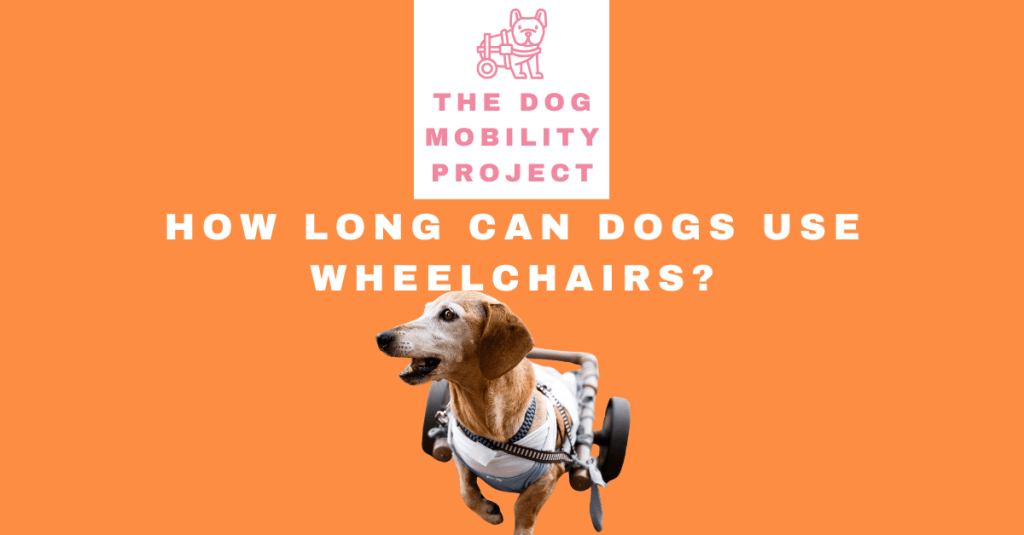
When mobility becomes a challenge, a Dachshund wheelchair is an incredible way to eliminate the stress placed on your Dachshund’s back legs and make it easier to walk. These devices are designed specifically for dogs with hind limb weakness or paralysis, providing support and enabling them to move freely.
For smaller Dachshunds, a special breed-specific wheelchair may be needed. One that will fit their short stature but be long enough to support their entire spine. Standard size Dachshunds will fit in most, small sized wheelchairs.
Here’s how they can help:
1. Restoring Independence
Wheelchairs allow Dachshunds to continue exploring their environment, improving their mental well-being and overall quality of life.
2. Preventing Further Injury
By redistributing weight and alleviating pressure on the spine or joints, a wheelchair can help prevent additional strain or complications.
3. Supporting Rehabilitation
For dachshunds recovering from surgery or injury, wheelchairs can complement physical therapy by encouraging gentle exercise.
Choosing the Right Wheelchair for Your Dachshund
When selecting a wheelchair, consider the following:
- Adjustability: Look for a device that can be tailored to your Dachshund’s specific size and needs.
- Lightweight Design: A lightweight frame ensures your dog can move comfortably.
- Durability: Opt for a sturdy, well-constructed wheelchair that can withstand regular use.
- Ease of Use: Ensure the wheelchair is easy to assemble and fit onto your dog.
Many companies specialize in custom-fit wheelchairs designed for Dachshunds, considering their unique body shape and mobility requirements.
Helping Your Dachshund Thrive
While mobility loss can be a daunting challenge, it doesn’t have to define your Dachshund’s life. With proactive care, veterinary support, and tools like wheelchairs, your furry friend can continue living their best life. By embracing solutions tailored to their needs, you’ll ensure that your Dachshund enjoys the freedom and happiness they deserve—no matter the obstacles.



 The Dog Mobility Project
Leave a comment