When dogs face mobility challenges, whether due to injury, age, or congenital conditions, maintaining their physical health and quality of life becomes a top priority. For dogs in wheelchairs, the limitations of land-based exercise can be a hurdle. This is where canine hydrotherapy comes in as a game-changer. Providing a controlled, low-impact environment, hydrotherapy offers a multitude of benefits that can help mobility-challenged dogs thrive.
What is Canine Hydrotherapy?
Canine hydrotherapy involves therapeutic exercises performed in water, typically in a pool or underwater treadmill. The buoyancy of water reduces the stress on joints, making it an ideal setting for dogs who have difficulty moving on land. Certified hydrotherapists guide the sessions to ensure exercises are tailored to each dog’s specific needs and abilities.
What Does Hydrotherapy Do for Dogs?
Hydrotherapy provides a unique combination of physical and mental benefits for dogs, especially those with mobility challenges. By utilizing the buoyancy and resistance of water, it:
- Reduces stress on joints and supports pain-free movement.
- Strengthens muscles and improves overall mobility.
- Enhances cardiovascular health and aids weight management.
- Provides mental stimulation and boosts confidence, particularly for dogs adapting to life with mobility aids like wheelchairs.
Key Benefits of Hydrotherapy for Dogs in Wheelchairs
- Improves Mobility and Range of Motion Hydrotherapy helps dogs strengthen muscles and maintain or improve joint flexibility. For dogs in wheelchairs, this can be especially beneficial as it allows them to use muscles that might not get as much exercise otherwise.
- Low-Impact, Safe Exercise Water reduces the impact on joints and bones, making it a safe way for dogs to exercise without the risk of injury. This is particularly important for dogs with arthritis, spinal injuries, or degenerative conditions.
- Builds Core and Limb Strength Swimming and water resistance exercises target core and limb muscles, which can improve overall strength and stability. Even for wheelchair-bound dogs, strengthening these muscles can enhance their mobility and support.
- Eases Pain and Reduces Inflammation The warm water used in hydrotherapy pools can soothe sore muscles and reduce inflammation. Dogs with chronic pain conditions often experience significant relief after hydrotherapy sessions.
- Boosts Cardiovascular Health Hydrotherapy provides aerobic exercise, improving cardiovascular fitness without overexerting the dog. This supports overall health and can help manage weight, which is crucial for dogs with limited mobility.
- Enhances Mental Well-Being Beyond the physical benefits, hydrotherapy provides mental enrichment. The experience of swimming or walking in water can boost a dog’s confidence, particularly for those adapting to life with mobility aids like wheelchairs.
How Often Should a Dog Do Hydrotherapy?
The frequency of hydrotherapy sessions depends on the dog’s individual needs, condition, and overall health. Your dog’s physical therapist will help you create the right plan for your dog, In general:
- Rehabilitation Cases: Dogs recovering from surgery or injury may start with 2-3 sessions per week, gradually decreasing as they improve. This will very greatly from a dog with a degenerative condition, like DM, that may require rehab therapy for the rest of their life.
- Chronic Conditions: Dogs with long-term mobility issues or arthritis may benefit from weekly sessions to maintain their strength and flexibility.
- Fitness and Maintenance: Active dogs or those needing weight management might attend sessions once or twice a month. Whereas a dog with an injury or mobility issue will most likely be working with their rehab specialist several times a month or even weekly.
Always consult with your vet or a certified hydrotherapist to develop a schedule tailored to your dog’s specific needs. As a rule, rehab therapy is usually a multimodal approach, meaning your dog may need several different therapy methods to improve mobility (or maintain their current range of motion). Hydrotherapy is just one tool in your canine rehabilitation specialist’s toolbelt, so don’t be surprised (or resist) trying new techniques.
The Benefits of an Underwater Treadmill for Dogs
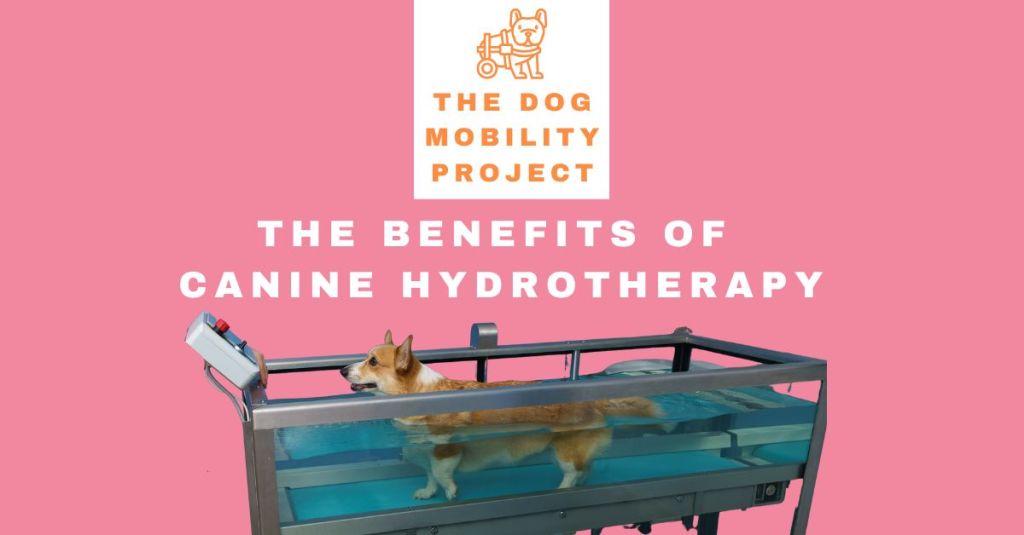
Underwater treadmills are a cornerstone of canine hydrotherapy. These specialized devices allow dogs to walk in water, combining the benefits of buoyancy with controlled movement. Key benefits include:
- Encourages Natural Movement: The treadmill promotes a natural walking motion, helping dogs relearn proper movement and build muscle memory.
- Customizable Resistance: The water level and treadmill speed can be tailored to the dog’s needs, making it suitable for various mobility levels.
- Ideal for Rehabilitation: For dogs recovering from surgery or injury, the underwater treadmill offers a secure, low-impact way to regain strength and mobility.
It’s not uncommon for dogs to bring their wheelchair into their underwater treadmill sessions. A wheelchair is a great way to help your dog stand and keep them supported during their treadmill workout. Using your dog’s cart is a great way for a physical therapist to pattern your dog’s steps and help them with paw proper paw placement.
Why Swim Therapy is Perfect for Dogs with Mobility Issues
Swim therapy is another vital aspect of canine hydrotherapy. It allows dogs to engage in full-body exercise without putting stress on their joints. Benefits of swim therapy include:
- Strengthens Multiple Muscle Groups: Swimming works several muscle groups simultaneously, promoting overall strength and conditioning.
- Improves Joint Flexibility: The water’s buoyancy supports gentle, pain-free movement, improving joint flexibility and reducing stiffness.
- Provides Relaxation and Fun: Many dogs find swimming enjoyable, making it a great way to reduce stress while improving physical health.
How to Start Canine Hydrotherapy
- Consult Your Vet First: Before starting hydrotherapy, get your vet’s approval to ensure it’s suitable for your dog’s specific condition.
- Select a Certified Hydrotherapy Center: Look for facilities with trained professionals and equipment designed for dogs.
- Track Your Dog’s Progress: Regularly assess your dog’s response to hydrotherapy and adjust the routine as needed.
Empower Your Dog Through Hydrotherapy
For dogs with mobility challenges, especially those in wheelchairs, canine hydrotherapy is more than just exercise; it’s a lifeline to better health and happiness. By providing a safe, supportive, and enriching environment, hydrotherapy empowers these dogs to stay active, build strength, and live life to the fullest. Whether your dog is recovering from an injury or managing a lifelong condition, hydrotherapy could be the key to unlocking a new world of possibilities for their well-being.




 The Dog Mobility Project
Leave a comment