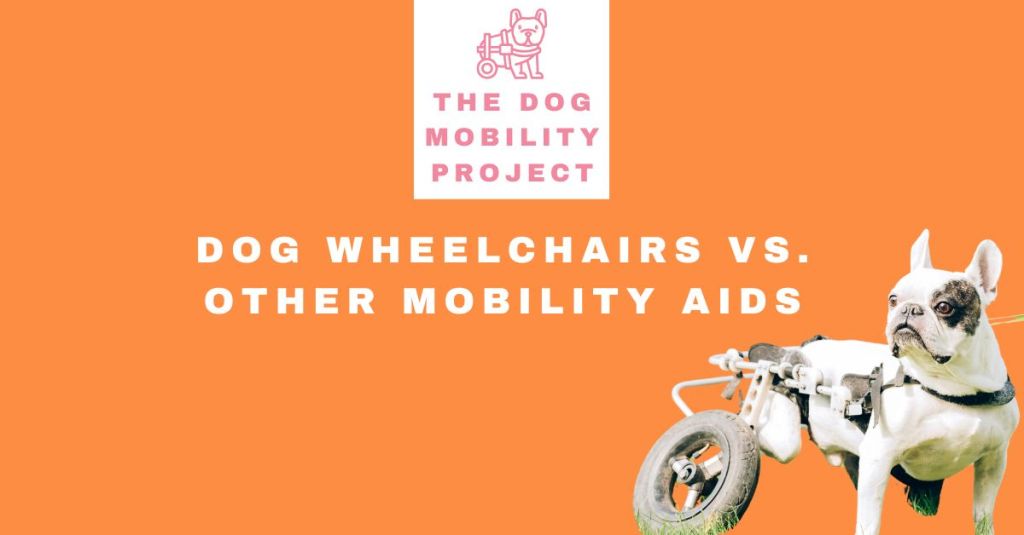
Paralysis doesn’t have to be an end-of-life decision. Luckily, there are a lot of mobility devices available to support your best friend. Whether you’re looking for something that will fully support your dog, like a wheelchair, a harness to help your dog up the stairs, or a brace to support the joint, there are a lot of pet products on the market designed to keep pets active.
In this guide, we’ll break down the pros and cons of different mobility aids to help you choose the best option for your furry friend and hopefully simplify the buying process for you.
Understanding the Causes of Mobility Issues
Mobility challenges in dogs can arise from a variety of conditions, including:
- Arthritis
- Degenerative myelopathy (DM)
- Hip dysplasia
- Spinal injuries
- Paralysis or amputation
The right mobility device for your dog may depend greatly on their diagnosis. Each condition may require a different approach to mobility support, making it essential to consult with your veterinarian to assess your dog’s needs. Your vet can walk you through your options and talk about their own experiences with various products so that you can make an informed decision.
The Benefits of Dog Wheelchairs
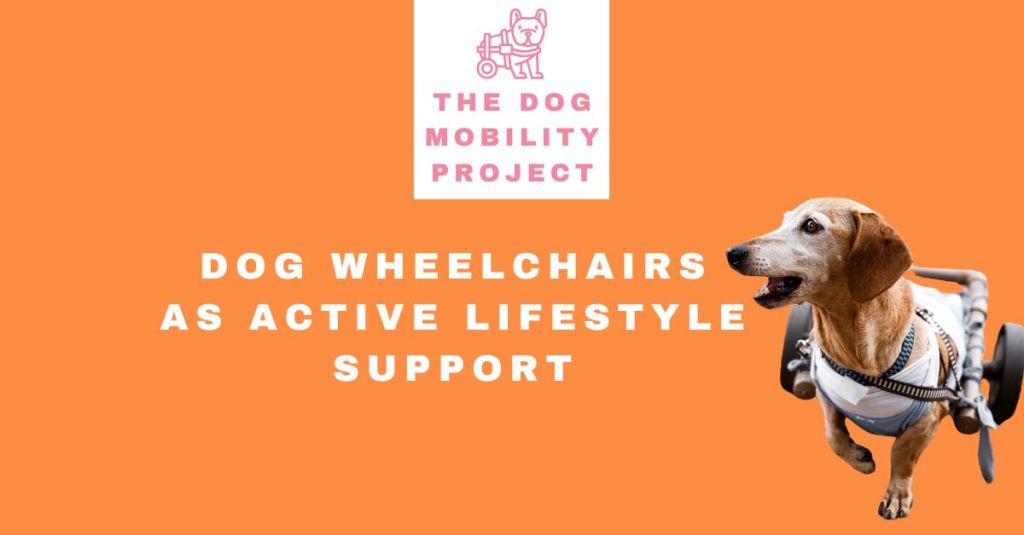
Dog wheelchairs are one of the most popular solutions for pets with significant mobility loss, particularly in their hind legs. Here are some reasons why:
1. Enhanced Mobility: Wheelchairs provide freedom of movement, allowing dogs to run, play, and explore again. Not to mention, your dog can pee and poop while in their wheelchair. Although used for many reasons, a wheelchair is ideal for pets with conditions like paralysis or DM.
2. Improved Quality of Life: Restoring your dog’s ability to move can boost their mood, energy levels, and overall well-being. Your dog’s wheelchair is an invaluable tool that lets them spend more time with you, having fun and doing all their favorite things. I’ve even seen dogs climb a mountain in their wheelchair!
3. Adjustable and Customizable: Many dog wheelchairs are designed to fit a variety of breeds and sizes, and they can often be adjusted as your dog’s condition changes. They’re also fairly easy to use. Once you have the initial fitting done, it’s just a matter of putting your dog’s wheelchair harness on, lifting their back legs into the rear end support, and clipping them in place. Once you (and your dog) are used to it, it takes less than a minute to get them into their cart.
Exploring Other Mobility Aids
While dog wheelchairs are transformative for many pets, they’re not the only option. Other aids include:
1. Mobility Harnesses: Harnesses are designed to support your dog’s body while allowing you to assist with lifting or walking. They’re great for short-term injuries or senior dogs who need a little extra help. They can be especially helpful for larger dogs that struggle to climb the stairs, are slow to rise up off the ground, need some support on quick potty trips, or need help getting into a car.
Pros:
- Easy to use – allows you to lift your dog without straining your back.
- Affordable – there are a lot available, so you can choose one within your price range.
- Lightweight – easy to pack up and keep in the car or in a bag.
Cons:
- Requires human assistance
- Limited support for severe mobility issues – recommended for mild to moderate mobility loss or weakness.
Harnesses come in all shapes and sizes; choose the one that offers support where your dog needs it. For a simple rear lifting harness for dogs who need only a little help, I recommend the Up-n-Go Rear Support Leash. This is a great option to help a dog get up off the floor or give them a little boost. If you need full-body support for all four legs, the Buddy Up Harness is extremely adaptable (and wheelchair compatible).
2. Braces and Splints: These aids provide targeted support for weak or injured joints, such as knees or ankles. Most often, braces are custom-made from a mold of your dog’s leg and can be customized for their unique medical condition.
Pros:
- Stabilizes specific areas to provide targeted support
- Can aid in recovery
- May relieve a dog’s joint pain and improve their mobility
Cons:
- Not suitable for severe mobility loss
- May require frequent adjustments
- Custom-made braces can be expensive and take time to be made.
There are so many different styles that it’s hard to recommend only one splint or leg brace. For softer, neoprene braces that support the leg, I like Labra’s Compression Wraps. Orthovet offers some great off-the-shelf leg splints. But if you’re looking for a custom brace for long-term use, I would contact AnimalOrthocare.
3. Drag Bags: Drag bags are protective covers that allow paralyzed dogs to scoot around indoors without injuring their skin.
Pros:
- Protects against abrasions and scrapes caused by dragging bodies/legs.
- Affordable
- Easy to clean and can be worn with a diaper if needed.
Cons:
- Limited to indoor use
- Does not restore walking ability
- Only works for dogs whose back legs are fully paralyzed.
The Walkin’ Drag Bag is the one I always recommend. It’s made of a nylon material that can be easily wiped down if needed, features a mesh screen to allow for air flow, and protects the dogs chest and hind legs from scrapes.
Your Dog May Need More Than One Mobility Aid
For most pets, it’s not a matter of choosing one or another type of mobility support. Harnesses, drag bags, and wheelchairs are used simultaneously. They’re all designed to help you in different scenarios. Your dog may use a wheelchair most of the time, but a harness can come in handy to help lift your dog into the car or get them outside quickly in the middle of the night to pee. Drag bags are primarily used when a dog isn’t in their wheelchair so that their back legs and chest are protected from rug burn or scraping.
So, you may not choose just one mobility aid; you may need a combination of tools to help your dog get around.
How to Choose the Right Mobility Aid
When selecting a mobility aid, consider the following factors:
1. Your Dog’s Condition: A wheelchair might be best for hind-leg paralysis, while a harness or brace could suffice for mild arthritis or recovering from an injury.
2. Activity Level: An active dog may benefit more from a wheelchair than a drag bag or harness.
3. Your Lifestyle: Some aids, like harnesses, require constant human involvement, while wheelchairs allow for more independence.
4. Professional Advice: Always consult your veterinarian or a canine rehabilitation specialist to ensure the aid you choose meets your dog’s specific needs.
Final Thoughts
Choosing the right mobility aid can feel daunting, but the right solution can dramatically improve your pet’s quality of life. Whether it’s a dog wheelchair, harness, or brace, each tool has the potential to give your dog the freedom and comfort they deserve.
Ready to find the perfect mobility solution for your pet? Explore our resources at The Dog Mobility Project to learn more and connect with experts who can guide you through the process.

 The Dog Mobility Project
Leave a comment