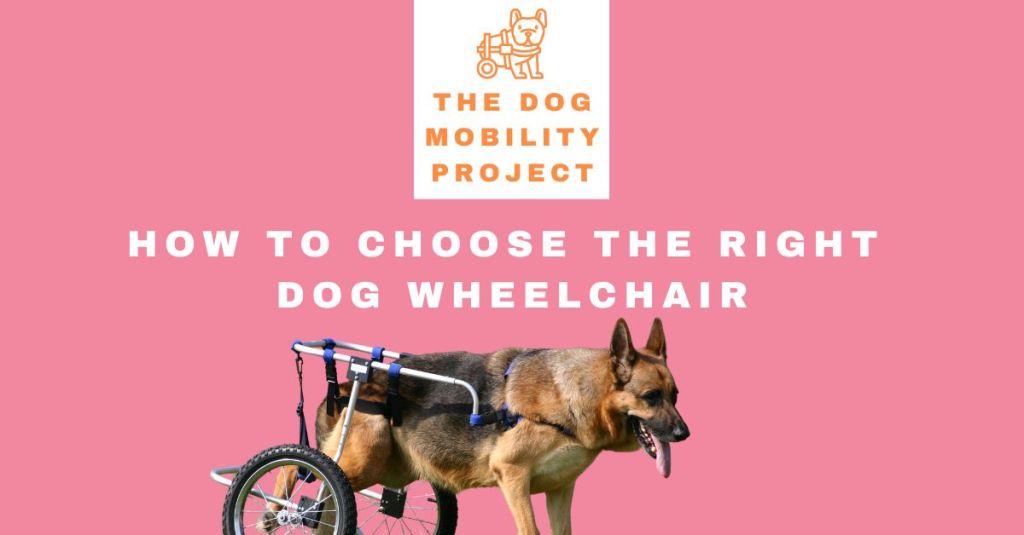
When your dog faces mobility challenges due to age, injury, or a medical condition, a wheelchair can offer them a second chance at an active and happy life. However, with so many options available, choosing the right dog wheelchair can feel overwhelming. With so many options available, how do you know which cart is right for your dog?
Here’s a comprehensive guide to help you make the best decision for your furry friend.
1. Assess Your Dog’s Needs
Every dog is unique, and their mobility needs will vary depending on their condition and diagnosis. Consult your veterinarian or a canine rehabilitation specialist to evaluate your dog’s condition, they will be able to gauge if your dog is a good candidate for a wheelchair and help advise you on which would work best.
Start by understanding which legs are impacted, this will tell you what style of wheelchair will work best for your dog.
- Hind-Leg Weakness or Paralysis: Dogs with hind-leg mobility issues typically need a two-wheel cart to support their rear legs.
- Front-Leg Weakness or Paralysis: For dogs with front-leg issues, a quad wheelchair or a specialty front-wheel cart may be required.
- Full-Body Support: Senior dogs or pets with conditions like degenerative myelopathy may benefit from a full-support wheelchair with four wheels.
Rear wheelchairs are the most common, as most mobility challenges impact a dog’s hind legs, hips, or knees. However, dogs with neurological conditions that affect balance or deal with weakness in all four legs will need the support of a four-wheel wheelchair.
2. Measure Your Dog Accurately
Before you buy, you need to measure your dog for their cart. Proper measurements are crucial to ensure your dog’s comfort and mobility in the wheelchair. A poorly fitted wheelchair may be uncomfortable or unable to provide the support your dog needs. Every wheelchair brand requires different measurements. However, most manufacturers provide detailed measurement guides to help you choose the correct size. Common measurements include:
- Height from the ground to your dog’s back
- Length from the shoulder to the base of the tail
- Width across the widest part of their body
- Weight
If you are choosing to have a custom wheelchair built for your dog, you’ll likely need to take multiple measurements (5-10 measurements are typical), and accuracy matters. Many veterinarians will help take the measurements for you if needed.
3. Consider Adjustability and Customization
Many canine mobility conditions change over time, so opt for a wheelchair that is adjustable and can adapt to your pet’s changing needs. This is especially important if you care for a growing dog; an adjustable cart can grow with your young dog. Features to look for include:
- Adjustable frame height, width, and length
- Interchangeable wheels for different terrains
- Detachable or flexible support harnesses
4. Choose Durable and Lightweight Materials
A dog wheelchair should be sturdy enough to handle outdoor adventures while remaining lightweight for easy maneuverability. Aluminum frames are a popular choice because they’re both durable and lightweight.
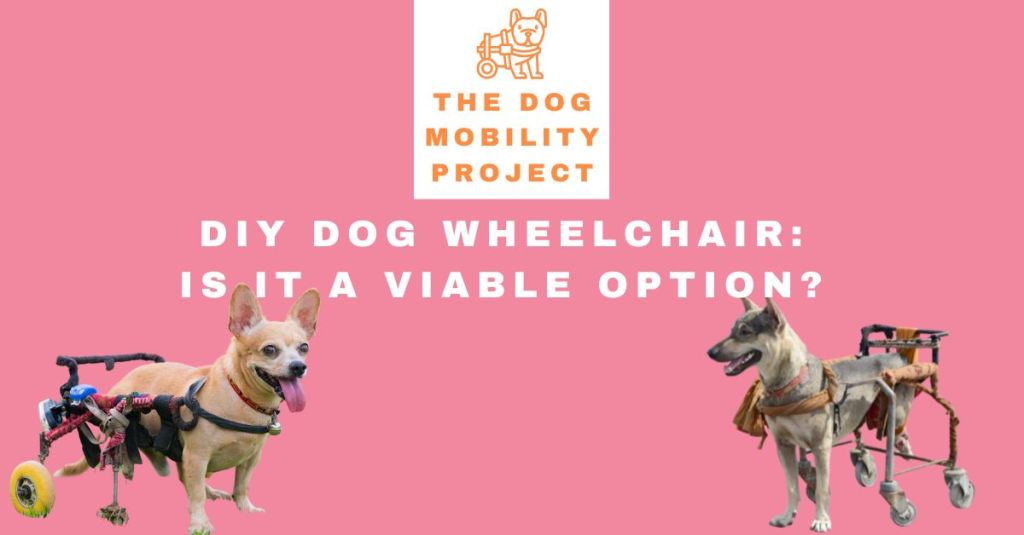
Some pet parents believe that they can make their own. Some great 3D-printed designs are available, but unless you know what you’re doing, the sizing can be difficult, and if done wrong, they may not support your dog properly. I’ve had many pet parents call in after trying to build a cart (and spending money on all the materials), only to have to buy a wheelchair when the one they built didn’t work. I would always buy one from an expert rather than try to make one.
5. Think About Your Dog’s Lifestyle
Consider your dog’s daily activities and environment:
- Outdoor Adventures: If your dog loves exploring trails or running in the park, look for all-terrain wheels.
- Indoor Use: For dogs who spend most of their time indoors, smooth wheels and a compact frame are ideal.
- Water Activities: If your dog enjoys swimming, ensure the wheelchair is rust-proof and water-resistant.
6. Evaluate Comfort and Safety Features
Your dog’s comfort is paramount. Ensure the wheelchair has:
- Soft, padded harnesses that prevent chafing
- Secure straps to keep your dog in place
- An ergonomic design that mimics natural movement
7. Research Reputable Brands
Not all dog wheelchairs are created equal. Look for trusted brands with positive reviews and proven track records in pet mobility solutions. Some popular options include:
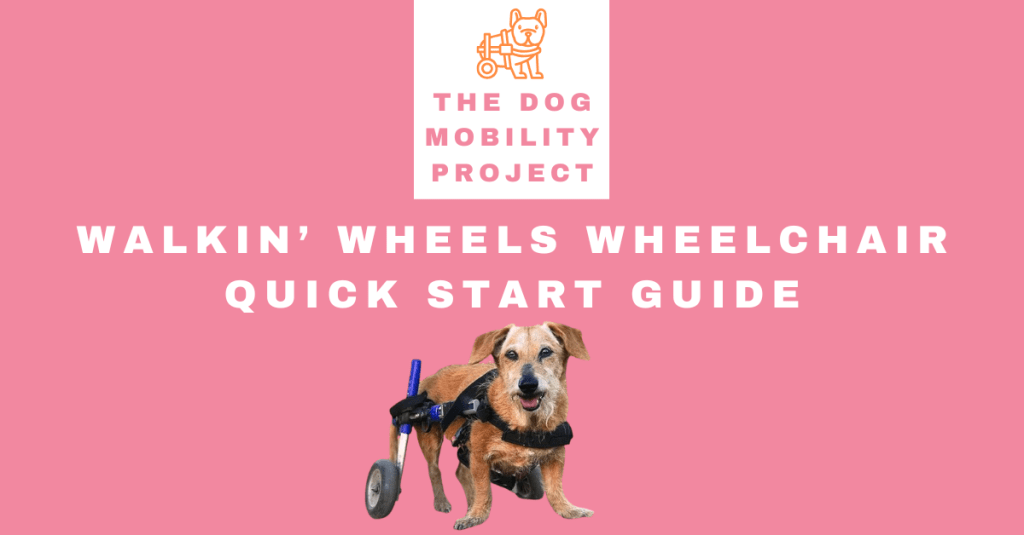
- Walkin’ Pets: Known for its adjustability and user-friendly design, Walkin’ Pets offers the Walkin’ Wheels wheelchair that caters to dogs of all sizes. Their products are durable and easy to assemble, but they can be pricier compared to other brands.
- K9 Carts: Specializing in veterinary-approved designs, K9 Carts creates lightweight, custom-fit wheelchairs. They are ideal for pets with specific needs, though customization may take longer.
- Eddie’s Wheels: Renowned for their high-quality, hand-crafted wheelchairs, Eddie’s Wheels are durable and tailored to each dog. However, they require precise measurements and may be less adjustable over time.
- Best Friend Mobility: A budget-friendly option, Best Friend Mobility provides wheelchairs that are easy to adjust and assemble. While affordable, some users note that the materials may not be as long-lasting or sturdy as premium brands.
There are many other brands available on Amazon; some may be cheaper, but I wouldn’t recommend purchasing a random wheelchair from a company that you don’t recognize – they’re cheaper for a reason. Many of these “more affordable” dog wheelchairs are lower quality, harder to assemble (and use), and the Customer Service is poor. Buying a reputable brand means that there’s a built-in support system with expert advice that’s only a phone call away.
8. Adjustable Wheelchair vs. Custom Cart: Which is Right for Your Dog?
When selecting a dog wheelchair, one of the biggest decisions is whether to opt for an adjustable wheelchair or a custom cart. Each option has its own set of advantages and considerations:
Adjustable Wheelchairs:
Pros
- Can accommodate dogs of different sizes and breeds
- Ideal for growing puppies or dogs with evolving needs
- Generally more affordable and readily available
- Easier to adjust for different terrains or activities
- If the dog loses weight or atrophies, the frame can be narrowed for a better fit.
Cons:
- May not provide the precise fit of a custom cart, although you can get pretty close.
- Some designs might sacrifice durability for adjustability.
Custom Carts:
Pros:
- Tailored to your dog’s specific measurements for a perfect fit
- Often more durable and designed for long-term use
- Provides optimal support for dogs with complex mobility needs
Cons:
- Higher upfront cost
- Longer production times
- Less adaptable if your dog’s condition changes over time
- You may need to buy a second cart later if your dog’s weight or mobility changes.
My recommendation is to think about the future before you buy. Talk to your veterinarian about your dog’s diagnosis and what your dog’s future needs might be. If your dog has a progressive condition like DM, their front legs will likely be impacted, too. This is why I’d choose an adjustable rear-wheel cart that can have front wheels attached when they’re needed. Ultimately, the right wheelchair for your dog will provide the best balance of comfort, support, functionality, and longevity for your dog.
9. Involve Your Dog in the Process
Once you’ve narrowed down your options, let your dog try the wheelchair before purchasing, if possible. Some vet offices offer a wheelchair rental program that may let you try one out for a few weeks or see if the manufacturer provides in-person fittings. This will help ensure a good fit and allow you to observe their comfort and ease of movement.
10. Be Patient During the Adjustment Period
Although some dogs will start running immediately, while other dogs may need time to adapt to their new mobility device. So give it time; don’t become frustrated if your dog needs time to get used to walking with the help of a wheelchair. Use positive reinforcement, treats, and encouragement to help them feel comfortable. Start with short, supervised sessions and gradually increase the duration as they build confidence.
Why a Dog Wheelchair is Life-Changing
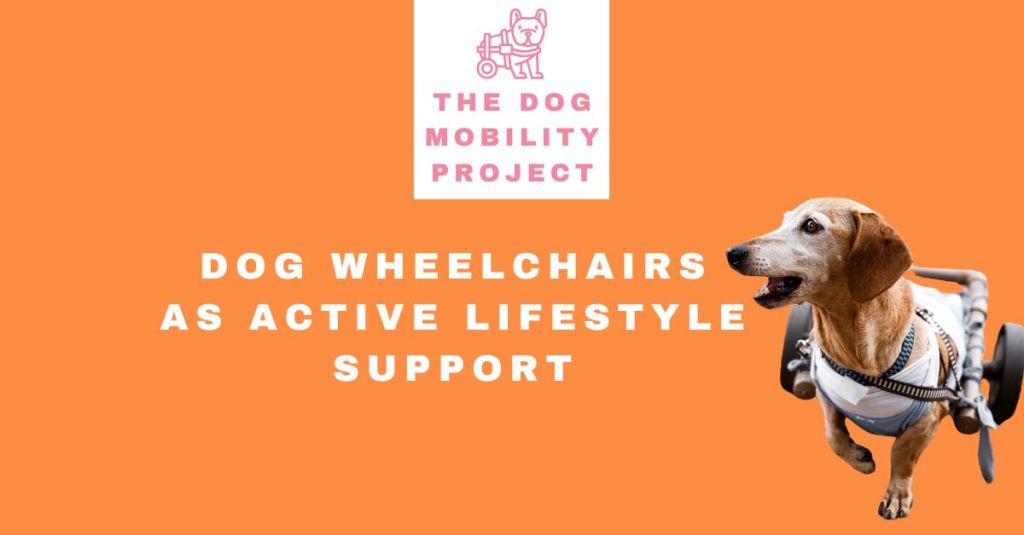
Investing in the right dog wheelchair can transform your pet’s quality of life. Whether your dog needs support for their hind legs, front legs, or full body, the right mobility device enables them to regain independence, explore their surroundings, and stay active.
By giving your dog the gift of mobility, you’re providing them with more than just movement—you’re giving them freedom, happiness, and a renewed zest for life. Remember, every dog deserves the chance to live life in motion, and the right wheelchair can make all the difference.


 The Dog Mobility Project
Leave a comment