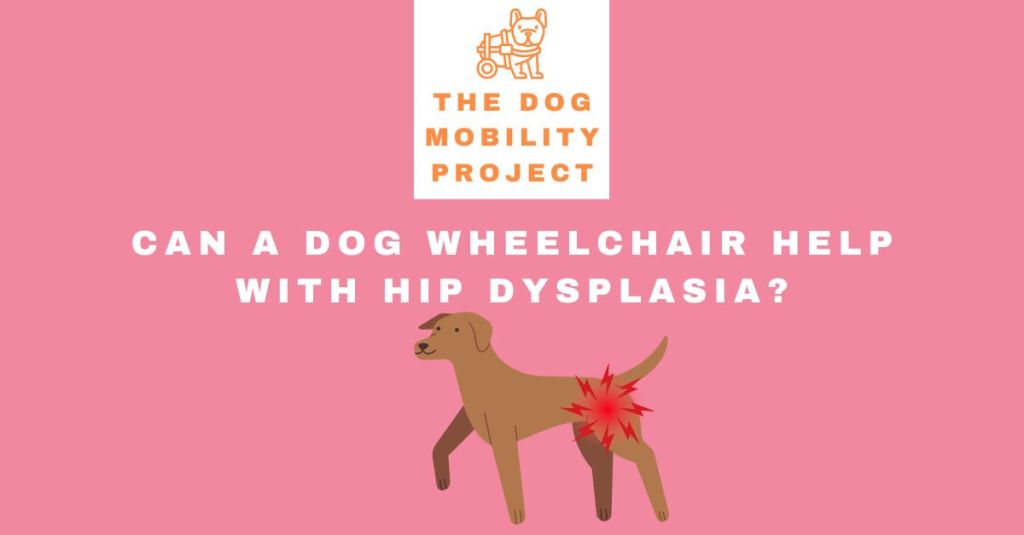
Hip dysplasia is a common orthopedic condition in dogs, especially in larger breeds like German Shepherds, Labradors, and Golden Retrievers. It occurs when the hip joint doesn’t develop properly, leading to instability, arthritis, and eventually, chronic pain and mobility issues. For dogs with severe hip dysplasia, even simple activities like walking, playing, or climbing stairs can become painful and challenging.
Many dogs with hip dysplasia will thrive without assistance, but as they age, the hip pain can make normal activities too difficult. Fortunately, there’s a solution that offers newfound freedom and a higher quality of life: dog wheelchairs. These mobility aids aren’t just for dogs with paralysis or amputations—they’re also a game-changer for dogs with conditions like severe hip dysplasia.
How Dog Wheelchairs Help Dogs with Hip Dysplasia
A dog wheelchair may seem like a surprising treatment for hip dysplasia. However, a dog wheelchair is an incredibly effective way to support your dog’s mobility and improve their quality of life. And yes, your dog will still be able to walk using their hind legs while in their cart, but the support reduces the weight and pressure placed on their bad hips, making it easier for your dog to walk.
When a dog suffers from advanced hip dysplasia, each step can be painful, making it difficult for them to place their full weight on their back legs. A dog wheelchair is designed to support a dog’s hind end, reducing the pressure on their back legs while still allowing them to walk and use their legs. This can make it easier for them to stand and move, helping them stay active for a longer period. Additionally, using a wheelchair can aid in maintaining muscle tone and preventing muscle atrophy.
1. Reducing Pressure on the Hips
Dog wheelchairs are designed to take the weight off a dog’s hind legs, redistributing it to the wheels and supporting frame. This reduction in pressure can alleviate pain and prevent further joint damage, allowing your dog to move comfortably without strain. Your dog will still be able to walk using all four legs, but each step will be fully supported, allowing them to walk without causing any additional hip pain.
2. Improving Mobility and Confidence
Dogs thrive when they can explore and engage with their environment. Due to pain and discomfort, hip dysplasia can severely limit your dog’s movement, leading to frustration and even depression. A wheelchair gives your dog the freedom to move independently, restoring their confidence and helping them stay active, which ultimately can improve both their mental and physical health.
3. Supporting Physical Therapy and Exercise
Exercise is crucial for maintaining muscle strength and preventing obesity, both of which are important for dogs with hip dysplasia. A wheelchair can help them engage in low-impact activities, such as walking on flat surfaces, without risking further injury or discomfort.
4. Enhancing Quality of Life
When mobility improves, so does overall well-being. Dogs with hip dysplasia often show a noticeable improvement in mood and energy levels once they’re able to move more freely. Whether it’s chasing a ball, accompanying you on a walk, or simply navigating the yard, a wheelchair can bring joy back into their daily lives.
Additional Mobility Solutions for Dogs with Hip Dysplasia
While dog wheelchairs are a fantastic option, they’re not the only solution. Other mobility aids and therapies can work alongside wheelchairs or independently, depending on your dog’s condition:
1. Lifting Harnesses
Support harnesses are designed to help you lift and stabilize your dog, particularly during walks or when climbing stairs. They’re a great way to assist dogs with mild to moderate hip dysplasia or those recovering from surgery.
For a dog with bad hips, look for a harness that supports the rear end fully from underneath. Choose one that provides ample room for your dog to easily pee and poop while using the harness and that features adjustable handles. This will help reduce the risk of straining your back as you support your dog.
2. Joint Supplements and Pain Management
Many dogs are very young when they’re first diagnosed with hip dysplasia. Providing a daily joint supplement can help promote your dog’s hip health throughout their life. Joint supplements like Glucosamine, Chondroitin, Green Lipped Mussel, and Omega-3 fatty acids can support joint health and reduce inflammation. Consult your veterinarian about medications or therapies that can help manage pain effectively.
3. Hydrotherapy
Canine physical therapy and hydrotherapy are a great way to improve your dog’s mobility and overall joint health. Swimming or walking on an underwater treadmill provides low-impact exercise that strengthens muscles and improves joint flexibility without putting stress on the hips.
4. Orthopedic Dog Beds
As your dog’s hip issues worsen, it’s common for their leg strength to decline. This may result in your dog dropping to the floor instead of slowly lowering themselves to rest. Such a sudden impact with a hard surface can exacerbate their hip pain and laying directly on the cold, hard floor can be uncomfortable as well. Providing a comfortable, supportive place to rest is essential for dogs with hip dysplasia. Orthopedic dog beds cushion sore joints and promote better sleep.
Look for high-density memory foam or orthopedic foam that contours to your dog’s body, relieving pressure on sore joints and providing even weight distribution. Avoid cheap fillers that can flatten quickly.
5. Physical Therapy and Massage
Working with a certified canine physical therapist can help your dog build strength and mobility. Massage therapy can also alleviate muscle tension and improve circulation in affected areas.
Early intervention is key, and it’s never to early to start working with a canine rehab specialist. By starting at a younger age, when symptoms are minor, your dog’s therapist may be able to slow down the disease’s progression and even minimize the risk of severe mobility problems when they become a senior.
Choosing the Right Solution
The best approach often combines multiple strategies tailored to your dog’s needs. Dog wheelchairs are ideal for advanced mobility support, while therapies like hydrotherapy and massage can enhance their overall comfort and long-term health.
Your dog’s age, the severity of their hip pain, and how their mobility is affected will all impact what type of treatments will work best for your dog. Always work with your veterinary professional to determine the best treatment plan for your dog, and understand that since hip dysplasia is a progressive condition, the level of care your dog needs will change over time. The best thing you can do is track any changes in your dog’s mobility or behavior and keep your vet informed of what you’re seeing – be your dog’s advocate.
Final Thoughts
Hip dysplasia doesn’t have to define your dog’s life. Whether through a wheelchair, supportive harness, or hydrotherapy, there are many ways to give your dog the mobility and quality of life they deserve. At The Dog Mobility Project, we’re committed to empowering dogs to live life in motion—because every dog deserves the chance to run, play, and thrive.
Explore our resources to learn more about mobility solutions for your dog, and let’s help them take their next steps with confidence and comfort.

 The Dog Mobility Project
Leave a comment