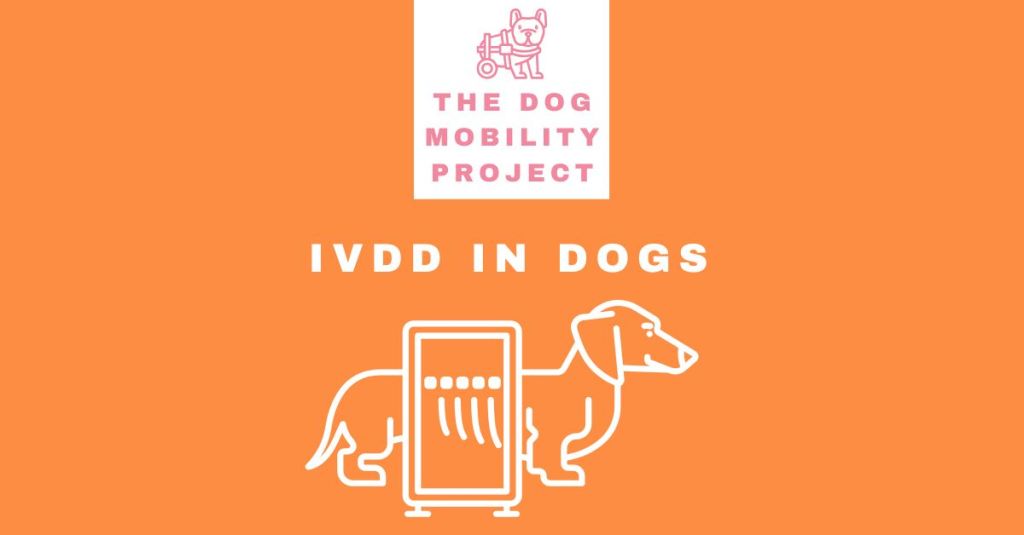
Intervertebral Disc Disease (IVDD) is a common spinal condition that affects many dogs, particularly breeds like Dachshunds, Corgis, and French Bulldogs. This degenerative disease affects the discs in a dog’s spine, leading to reduced mobility and, even paralysis.
If your dog has been diagnosed with IVDD, you may feel overwhelmed, but there are multiple ways to manage the condition and improve your dog’s mobility. In this post, we’ll cover IVDD in detail, from understanding the disease to exploring treatment options and mobility aids like wheelchairs and back braces.
What is IVDD?
IVDD is a degenerative spinal condition in which the discs between vertebrae in the spine harden, lose their cushioning ability, and can eventually rupture or slip. These discs act as shock absorbers for the spine; when they fail, they put pressure on the spinal cord. This can result in symptoms ranging from pain and stiffness to full paralysis, depending on the severity and location of the affected discs. In more severe cases, the disc material presses against the spinal nerves and can cause paralysis. This paralysis may be temporary or permanent depending on the severity and how quickly it is diagnosed and treated.
Dogs with longer backs and short legs are considered high risk for spinal conditions and IVDD.
Types of IVDD
There are two primary types of IVDD:
- Type I IVDD – It involves a sudden disc rupture and tends to happen in younger dogs. The onset can be sudden and is often more severe.
- Type II IVDD – This type typically affects older dogs and involves a gradual bulging of the disc. Symptoms develop over time, often leading to chronic pain and stiffness.
Recognizing Symptoms of IVDD in Dogs
The symptoms of IVDD can vary, but common signs include:
- Pain or stiffness in the neck or back
- Difficulty walking or a wobbly, unsteady gait
- Signs of weakness or paralysis, particularly in the hind legs
- Crying out when touched or when moving
- Reluctance to play, jump, or climb stairs
If you notice any of these symptoms, it’s crucial to consult a veterinarian for a diagnosis and to determine the best treatment plan. IVDD needs to be taken seriously, and the treatment options will vary with every dog. Work with a veterinary professional to decide the best treatments for your dog, there is no one size fits all solution for IVDD.
Treatment Options for Dogs with IVDD
Treating IVDD often requires a multifaceted approach and will vary depending on the severity of your dog’s disc rupture and where in the spine the injury is located. Here are some of the most effective options that can be used individually or in combination, depending on the severity of your dog’s condition.
1. Conservative Management
For mild to moderate cases of IVDD, conservative treatment can often help manage symptoms. This typically includes:
- Pain Management: Veterinarians can prescribe pain relievers and anti-inflammatory medications to help your dog feel more comfortable.
- Strict Crate Rest: Limiting your dog’s movement is essential to give the spine a chance to heal. This can last from a few weeks to several months, depending on the severity of the case.
- Physical Therapy: Physical therapy, including hydrotherapy, can improve strength and mobility, especially after the initial pain subsides. Work with your vet to decide when it’s okay to start rehab therapy in your dog’s recovery.
2. Surgery
In severe cases where the dog has lost the ability to walk, surgery might be the best option. Surgery aims to remove the herniated disc material pressing on the spinal cord, restoring function and reducing pain. Success rates for IVDD surgery are generally high, particularly when performed early. However, the outcome is not guaranteed, and a dog can have spinal surgery and still be unable to walk. Talk to your veterinarian to see if your dog is a good candidate for surgery.
3. Alternative Treatments
Some pet owners turn to acupuncture, laser therapy, or chiropractic care to manage IVDD symptoms. While these treatments may not cure IVDD, they can provide pain relief and improve overall quality of life. Many alternative therapies can be incorporated into a multi-modal approach in conjunction with rehabilitation, crate rest, and other treatments.
Dog Wheelchairs for IVDD: A Path to Mobility and Independence
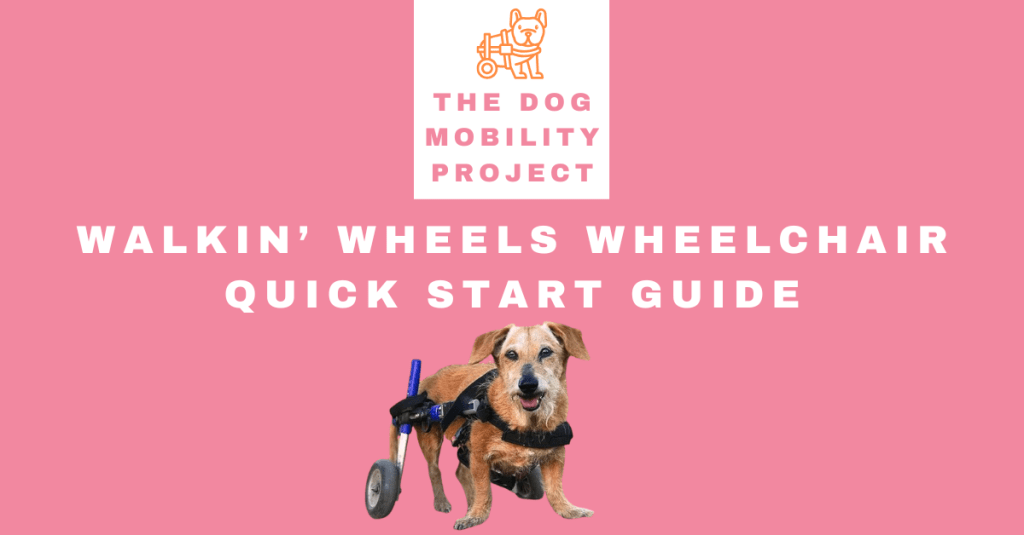
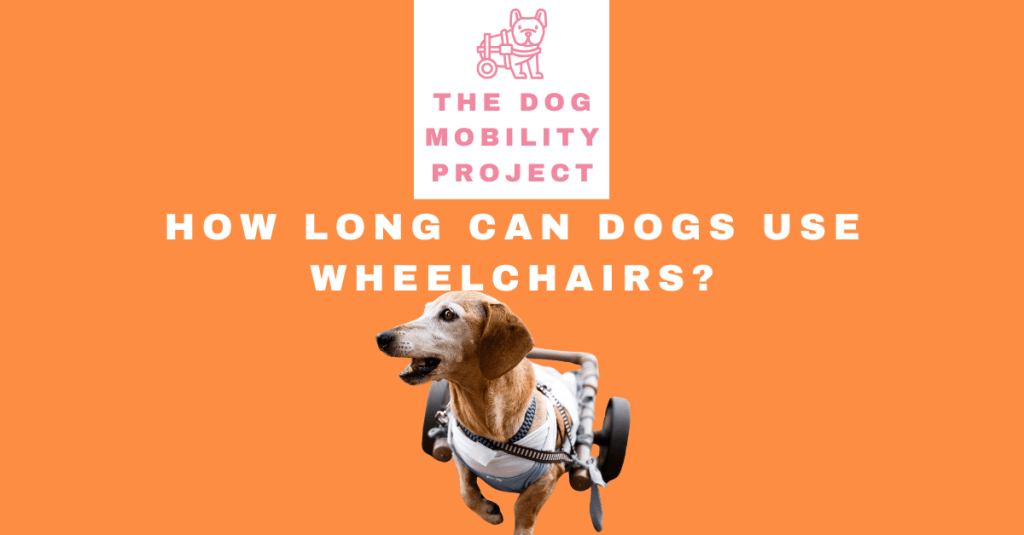
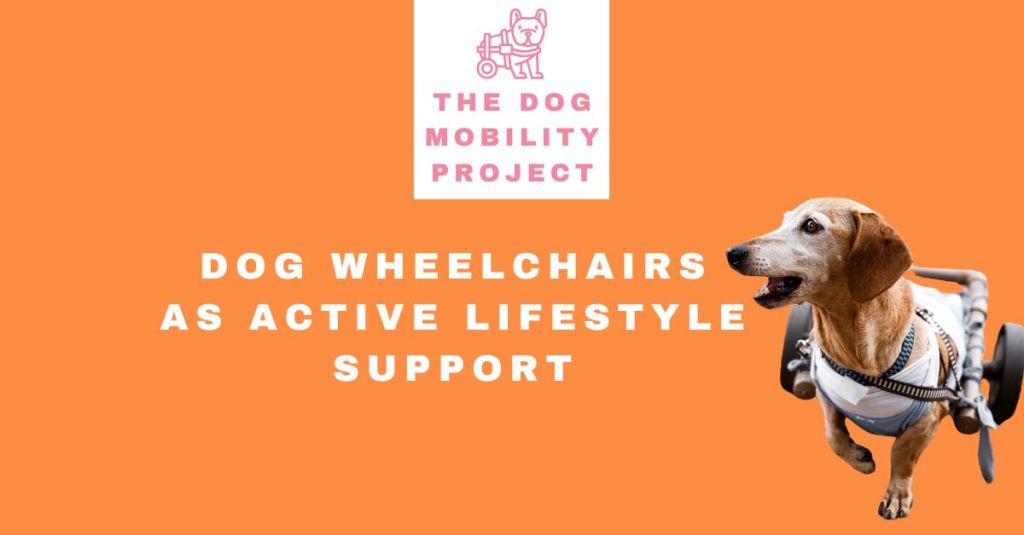
For dogs experiencing paralysis or hind leg weakness from IVDD, a dog wheelchair can be a game-changer. As a dog recovers, it will most likely need rehabilitation to help it regain leg strength. A wheelchair is a great way to keep your dog upright and help it walk while being fully supported to prevent further injury.
When choosing a wheelchair, remember that your dog’s back needs to be supported. I prefer using a neoprene wrap attached to the cart to help support their spine and keep their back level as they move.
Benefits of a Dog Wheelchair for Dogs with IVDD
- Restores Mobility: A dog wheelchair allows your pet to walk, run, and play again. This mobility can significantly improve a dog’s quality of life, allowing them to enjoy their favorite activities. A rear wheelchair supports your dog’s back legs and can help, even if your dog is still able to walk. Contrary to popular belief, your dog doesn’t have to be fully paralyzed to benefit from a wheelchair.
- Prevents Muscle Atrophy: Crate rest is often the most recommended treatment option for IVDD, but inactive muscles weaken over time. It may be necessary later on in your dog’s recovery to introduce a wheelchair to prevent muscle loss and maintain strength in their front legs.
- Supports Recovery: For dogs on the path to recovery, a wheelchair can serve as a transitional tool. With the proper mobility support, your dog can regain strength with the aid of a wheelchair. Most IVDD dogs need a rear-wheel wheelchair as they heal.
Many dog wheelchairs are adjustable, so they can be tailored to your pet’s specific needs and the extent of their IVDD. Plus, they’re durable and lightweight, making it easy for your dog to adapt and thrive.
The Role of Back Braces in Managing IVDD
Canine back braces can be somewhat controversial. Some people swear by them for extra back support while others feel they may not be all that beneficial. It depends completely on the nature of your dog’s back issue and is something to talk to your vet about.
Back braces are designed to stabilize the spine, reducing the risk of further disc injury and providing pain relief. They are not a cure but can serve as a supportive aid in combination with other methods. When choosing a back brace, look for one that supports the dog’s spine; some styles only brace the sides of the dog, which limits the range of motion and prevents the dog from overly twisting, but doesn’t support the dog’s spine.
Benefits of a Back Brace for Dogs with IVDD
- Reduces Pain: A back brace can help alleviate pain by supporting the spine and taking pressure off the affected areas.
- Improves Stability: For dogs experiencing weakness or unsteadiness, a brace offers extra support to help them move more confidently.
- Protects Against Further Injury: Dogs with IVDD are at risk of worsening their condition, especially during activities that strain the spine. A brace can help minimize these risks, particularly during periods of crate rest or light exercise.
Work with your veterinarian to choose the right brace for your dog’s size and needs. Remember, back braces are not a cure; they work best when combined with other treatments and are not a standalone solution.
Helping Your Dog Live Well with IVDD
A diagnosis of IVDD can be overwhelming, but with the right approach, many dogs go on to live happy, active lives. Conservative treatments, surgery, or supportive tools like dog wheelchairs and back braces can make a tremendous difference in your pet’s recovery and quality of life. With care, compassion, and dedication, you can help your dog navigate IVDD and continue enjoying life’s many adventures.


 The Dog Mobility Project
Leave a comment