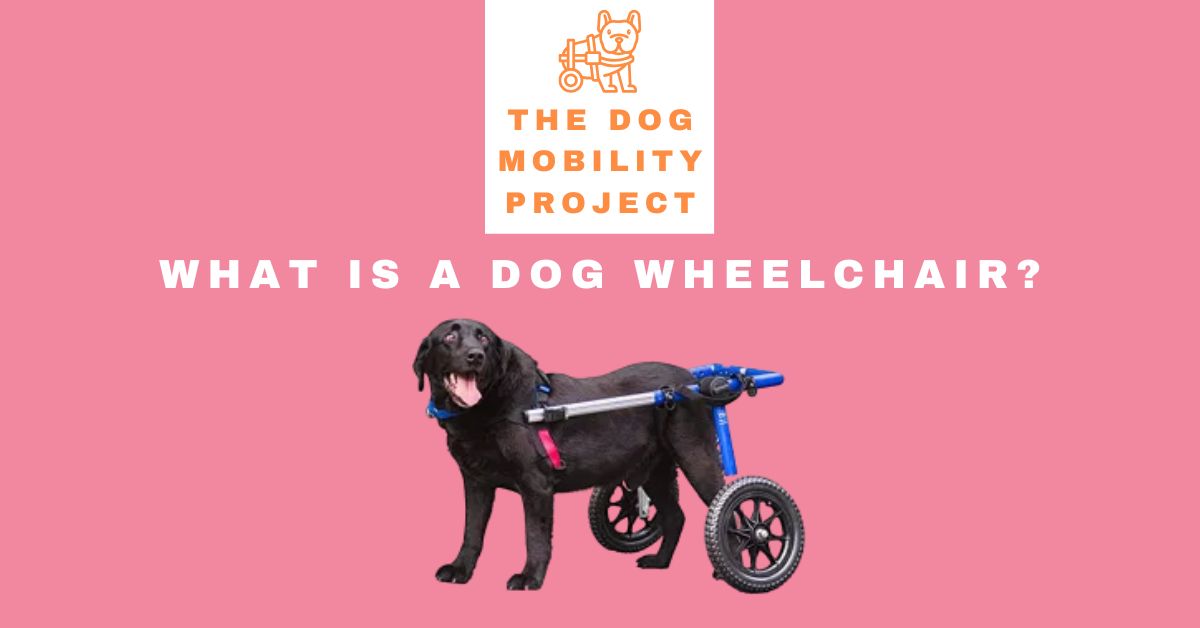
One of the most common questions pet parents ask when the first learn about wheelchairs is a simple one: “What exactly is a dog wheelchair, and how does it help?” Whether your dog is struggling to walk due to injury, illness, or age, understanding how a wheelchair works—and whether it’s the right choice—can open the door to a whole new life for your pet.

Why Do Dogs Need Wheelchairs?
Dogs may need a wheelchair when they can no longer move around comfortably or safely on their own. Wheelchairs are commonly used for:
- Paralysis (often from injury or neurological conditions)
- Degenerative diseases like Degenerative Myelopathy (DM) or Intervertebral Disc Disease (IVDD)
- Hip dysplasia, arthritis, or severe joint pain
- Surgical recovery following orthopedic or spinal procedures
- Congenital abnormalities or limb amputations
In short, dog wheelchairs aren’t just for senior pets or permanent disabilities. They’re also used temporarily during recovery or as a supportive tool to improve quality of life.
Conditions That May Benefit From a Dog Wheelchair
Many people associate wheelchairs with paralysis, but they can help dogs experiencing a wide variety of medical conditions and injuries.
Some of the most common include:
| Condition | How a Wheelchair Helps |
|---|---|
| Degenerative Myelopathy | Supports progressive rear limb weakness while allowing continued exercise. |
| Intervertebral Disc Disease (IVDD) | Assists dogs recovering from surgery or managing permanent neurological deficits. |
| Arthritis | Reduces weight on painful joints while encouraging gentle movement. |
| Hip Dysplasia | Makes walks more comfortable by decreasing stress on the hips. |
| ACL/CCL Injuries | Provides stability during recovery or for dogs that cannot undergo surgery. |
| Stroke or Vestibular Disease | Helps improve balance and confidence during rehabilitation. |
| Amputation | Provides additional support when remaining limbs become fatigued. |
| Neurological Disorders | Improves mobility despite weakness, ataxia, or coordination problems. |
A wheelchair should never replace veterinary diagnosis or treatment, but it can become an important part of a comprehensive mobility plan.
What Can a Dog Still Do in a Wheelchair?
One of the biggest misconceptions is that a wheelchair limits a dog’s life. In reality, it’s designed to help dogs return to many of the activities they love.
Depending on your dog’s condition, many wheelchair users can:
- Go for neighborhood walks
- Explore parks and easy hiking trails
- Play fetch or chase toys
- Visit family and friends
- Enjoy beach outings or packed snow
- Participate in physical rehabilitation
- Exercise safely to maintain muscle strength
- Continue exploring the world with their family
Most dogs use their wheelchair only during periods of activity. After walks or exercise, the wheelchair is removed so they can rest comfortably on their own bed or favorite spot.
Rather than replacing movement, a properly fitted wheelchair restores opportunities for movement that might otherwise be lost.
Who Determines Whether a Dog Needs a Wheelchair?
While many pet parents notice mobility changes on their own, we always recommend starting with a veterinarian or canine rehab specialist. These professionals can:
- Identify the root cause of your dog’s mobility issue
- Help determine whether your dog is strong enough to use a wheelchair (hint: most dogs are)
- Recommend the best type of support for your dog’s specific needs
In some cases, rehab professionals may even assist with wheelchair fittings or suggest physical therapy exercises to complement mobility support.
If your vet seems hesitant about dog wheelchairs (or says no) it might be time for a second opinion.
Are There Different Types of Dog Wheelchairs?
Yes! Dog wheelchairs come in three primary types, and choosing the right one depends on which part of your dog’s body needs support:
Rear Support Wheelchairs
Rear support wheelchairs are the most common type and are designed for dogs with weakness or paralysis affecting their back legs while their front legs remain strong enough to propel the wheelchair.
These work well for many dogs with:
- Degenerative myelopathy
- IVDD
- Hip dysplasia
- Arthritis
- Rear leg injuries
Most common and ideal for dogs with weak or paralyzed hind legs. Your dog powers forward using their front legs while the wheels support the back end.
Front Support Wheelchairs
Front support wheelchairs are less common but can dramatically improve mobility for dogs experiencing weakness or paralysis in their front limbs while retaining strength in the rear legs.
These are often recommended for:
- Brachial plexus injuries
- Front limb amputees
- Certain neurological disorders
Designed for dogs with limited use of their front legs, often due to birth defects, injury, or neurological conditions. These are less common but just as life-changing. To benefit from a front wheel cart, your dog must have strong back legs.
Full Support (Quad) Wheelchairs
Provide assistance to all four limbs; full-support wheelchairs provide assistance for both the front and rear limbs. Perfect for dogs with balance issues, overall weakness, or recovering from trauma affecting multiple limbs. A quad wheelchair is ideal for a dog with balance issues or weakness in all four legs.
These carts are often used for dogs experiencing generalized weakness, advanced neurological disease, or recovery following significant spinal injuries. Because they distribute weight across all four limbs, they can also benefit dogs with multiple orthopedic conditions affecting more than one part of the body.
Each style wheelchair offers different types of support, understand that the cost of the wheelchair will vary between brands and design needs.
How Do I Choose the Right Size Wheelchair for My Dog?
Getting the right fit is crucial to your dog’s safety, comfort, and success in their cart. You’ll typically need to know:
- Your dog’s weight
- Breed (some companies have breed-specific sizing recommendations)
- Rear leg height (from the ground to the fold of the flank)
- Width of the hips or shoulders
- Length of the body
Most dog wheelchair providers offer sizing guides, videos, or even live help to walk you through the measuring process. Many off-the-shelf wheelchair options will feature different size wheelchair frames based on a dog’s weight and size.
What Can Dogs Do in a Wheelchair?
A dog wheelchair allows a dog to get back to all of their favorite activities, including:
- Walks
- Hiking
- Beach trips
- Playing fetch
- Physical therapy
- Sniffing adventures
- Socializing
- Visiting parks
Your dog’s wheelchair won’t hold them back; it simply gives them the support they need to be as active as they were before their mobility was limited.
Will the Wheelchair Fit My Dog’s Unique Body Shape?
Yes—many dog wheelchairs are adjustable to accommodate a wide range of sizes and shapes, including:
- Long-bodied dogs like Dachshunds and Corgis
- Deep-chested dogs like Greyhounds
- Barrel-shaped breeds like Bulldogs or Pugs
- Small and toy breeds
- Giant breeds
If you’re concerned that your dog may be harder to fit due to their shape and breed, call the wheelchair company, you’re probably not the first person to ask the question. Common dog breeds prone to mobility issues, like corgis and dachshunds, may even have carts that were designed to fit their specific breed.
Some manufacturers also offer custom-built options for dogs with highly unique proportions, amputations, or special medical needs. Adjustable carts are often a great place to start, as they allow room for growth, change, or recovery.
How Does a Dog Use a Wheelchair?
Once fitted properly, a dog uses the wheelchair by pushing forward with their stronger limbs. The wheelchair supports the weaker or paralyzed part of the body, taking pressure off joints and allowing for pain-free movement. Most dogs only use their cart during walks, playtime, or physical therapy—not during rest, mealtimes, or sleep.
And no, a wheelchair doesn’t “trap” your dog. In fact, many dogs light up the moment they realize they can run again. It’s about restoring independence, not taking it away. Don’t feel bad about putting your dog into their wheelchair, because your dog certainly won’t, they will quickly learn to love their new cart.
Signs Your Dog May Be Ready for a Wheelchair
Many owners wait until their dog can no longer walk before considering a wheelchair. In reality, introducing one earlier often makes the transition easier.
Your dog may benefit from a mobility evaluation if you notice:
- Difficulty standing up
- Frequent stumbling
- Knuckling or dragging paws
- Falling during walks
- Rear leg weakness
- Fatigue after short distances
- Refusing walks they once enjoyed
- Trouble climbing stairs
- Reduced confidence outdoors
If several of these signs are becoming more frequent, discussing mobility aids with your veterinarian may help preserve your dog’s independence.
Why More Veterinarians Are Recommending Dog Wheelchairs Earlier
For many years, dog wheelchairs were viewed as a last resort—something to consider only after a dog could no longer walk. Today, many veterinarians, rehabilitation specialists, and pet physical therapists take a different approach.
A wheelchair isn’t designed to replace your dog’s legs. Instead, it supports the parts of the body that need assistance while allowing your dog to continue using the muscles that still function. This continued movement can help maintain muscle mass, improve circulation, reduce joint stiffness, and provide valuable mental stimulation.
Introducing a wheelchair before a dog becomes completely immobile also allows many dogs to adapt more naturally. Rather than learning an entirely new way to move after months of inactivity, they can gradually build confidence while they still have strength and coordination.
Every dog is different, but for many mobility conditions, using a wheelchair earlier—not later—can help preserve independence for a longer period.
How Dogs Learn to Use a Wheelchair
One of the first questions many owners ask is:
“Will my dog know what to do?”
In most cases, yes.
Dogs don’t understand that they’re using a wheelchair—they simply recognize that moving has suddenly become easier.
Some begin walking within minutes. Others may require several short practice sessions over a few days before they become comfortable.
The key is keeping early sessions positive and allowing your dog to move at their own pace.
Using favorite treats, toys, or short walks often helps build confidence.
Dog Wheelchairs Are Mobility Aids—Not a Sign of Giving Up
One of the biggest misconceptions about dog wheelchairs is that they represent the end of a dog’s journey. In reality, many dogs begin using a wheelchair while they still enjoy hiking, playing fetch, exploring trails, and spending time with their families.
For some dogs, a wheelchair is temporary while they recover from surgery or injury. For others with progressive conditions, it allows them to continue participating in everyday life long after walking would otherwise become difficult.
The goal isn’t simply movement—it’s maintaining quality of life.
Many pet owners are surprised by how quickly their dogs adapt once they realize the wheelchair allows them to move freely again.
Freedom, Confidence, and Joy
A dog wheelchair is far more than a piece of equipment—it’s a tool that can restore freedom, confidence, and quality of life. Whether your dog is recovering from surgery, managing arthritis, living with a neurological condition, or simply slowing down with age, the right wheelchair can help them continue doing what they love.
The most successful outcomes happen when wheelchairs are viewed as part of a broader mobility plan that includes veterinary care, rehabilitation, appropriate exercise, and regular monitoring. By understanding how wheelchairs work and introducing them at the right time, many families discover that mobility challenges don’t have to mean the end of an active, fulfilling life.
Frequently Asked Questions
What is a dog wheelchair?
A dog wheelchair is a mobility device designed to support dogs with weakness, injury, paralysis, or other conditions that make walking difficult. Depending on the dog’s needs, a wheelchair can support the rear legs, front legs, or all four legs, allowing them to walk, exercise, and enjoy daily activities more comfortably.
How does a dog wheelchair work?
A dog wheelchair supports the parts of the body that can no longer bear weight while allowing the dog’s stronger limbs to continue walking naturally. The wheelchair’s frame, harnesses, and support system keep the dog’s body properly aligned, helping reduce strain and improve mobility. Most dogs learn to use a properly fitted wheelchair with patience, encouragement, and short practice sessions.
Can dogs still go to the bathroom in a wheelchair?
Yes. Most rear-support dog wheelchairs are specifically designed so dogs can urinate and have bowel movements without removing the wheelchair. Proper adjustment is important to ensure your dog remains comfortable while maintaining normal bathroom habits.
Can a dog sit or lie down while wearing a wheelchair?
Most dogs cannot comfortably lie down while attached to a wheelchair, and many cannot sit naturally while wearing one. For this reason, wheelchairs are intended for supervised periods of activity rather than all-day use. When your dog is ready to rest, the wheelchair should be removed so they can lie down comfortably.
How long can my dog stay in a wheelchair?
A properly fitted wheelchair is designed for activity—not all-day use.
Most dogs use their wheelchair during walks, exercise, physical therapy sessions, and outdoor exploration before returning to rest comfortably without it.
The ideal amount of time varies depending on:
- Your dog’s diagnosis
- Overall strength
- Age
- Skin health
- Energy level
- Veterinary recommendations
Rather than focusing on the clock, watch your dog’s behavior. Signs of fatigue, rubbing, or frustration indicate it’s time for a break.
Many owners find that several shorter sessions throughout the day are more beneficial than one extended outing.
Are dog wheelchairs cruel?
No. When properly fitted and used appropriately, dog wheelchairs are not cruel. In fact, they often improve a dog’s quality of life by restoring independence, allowing exercise, preventing muscle loss, and reducing frustration caused by limited mobility. Most dogs adapt quickly and are eager to move again once they realize the wheelchair helps them stay active.
Which dogs can benefit from a wheelchair?
Dog wheelchairs can help dogs with a wide range of mobility conditions, including:
- Degenerative Myelopathy (DM)
- Intervertebral Disc Disease (IVDD)
- Hip dysplasia
- Arthritis
- Weak back legs
- Paralysis
- Neurological disorders
- Recovery after orthopedic surgery
- Amputation or limb weakness
Your veterinarian can help determine whether a wheelchair is appropriate for your dog’s specific condition.
Can senior dogs use wheelchairs?
Absolutely. Many senior dogs benefit from wheelchairs when age-related weakness, arthritis, or neurological disease makes walking difficult. A wheelchair can help older dogs remain active, continue exercising safely, and enjoy more time with their families while reducing strain on their joints.
How do I know if my dog needs a wheelchair?
Your dog may benefit from a wheelchair if they struggle to stand, tire quickly on walks, drag their paws, lose balance frequently, or can no longer support their own weight safely. Some dogs use wheelchairs temporarily during recovery, while others rely on them long-term. Your veterinarian or rehabilitation specialist can help determine the right time to introduce a mobility aid.
Can a dog recover enough to stop using a wheelchair?
Yes. Some dogs use a wheelchair only during recovery from surgery, injury, or neurological disease. As strength and mobility improve through rehabilitation, they may gradually transition away from the wheelchair. Other dogs with progressive or permanent conditions may continue using one for the rest of their lives. Every dog’s recovery journey is unique.
Do dogs adapt to wheelchairs quickly?
Many dogs adjust surprisingly fast, especially when the wheelchair fits properly. Some begin walking confidently within minutes, while others may need several short training sessions over a few days. Positive reinforcement, treats, praise, and keeping the first sessions short can help build confidence and make the transition easier.
What’s the difference between a rear-support, front-support, and quad wheelchair?
The type of wheelchair depends on which limbs need support.
- Rear-support wheelchairs help dogs with weak or paralyzed hind legs while allowing the front legs to propel the cart.
- Front-support wheelchairs assist dogs with weakness or injury affecting the front limbs.
- Quad (full-support) wheelchairs support all four legs and are designed for dogs with weakness or paralysis affecting both the front and rear limbs.
Choosing the right style of wheelchair depends on your dog’s diagnosis, strength, and mobility needs.
Does using a wheelchair weaken my dog’s muscles?
No—when used appropriately, a wheelchair can actually help maintain muscle strength by allowing dogs to continue walking and exercising safely. Movement promotes circulation, helps preserve joint flexibility, and can slow muscle loss associated with inactivity. Many veterinarians recommend combining wheelchair use with physical therapy and other rehabilitation exercises to maximize mobility.
At The Dog Mobility Project, we believe that every dog deserves the chance to live life in motion. Whether you’re just exploring the idea or ready to take the next step, we’re here to guide you.
It’s Not About the Wheels—It’s About the Life They Get Back
Many pet parents hesitate because they see a wheelchair as a sign that their dog’s condition has become permanent. But dogs don’t think about wheelchairs the way people do. They aren’t worried about appearances or what comes next—they simply want to move, explore, sniff, and spend time with the people they love.
For many dogs, a wheelchair doesn’t represent the end of an active life. It represents the return of things they thought they’d lost: neighborhood walks, trips to the park, greeting visitors at the door, chasing a favorite toy, or simply following their family around the yard. The goal isn’t to replace what your dog can no longer do—it’s to help them continue doing the things that bring them joy.




Leave a Reply