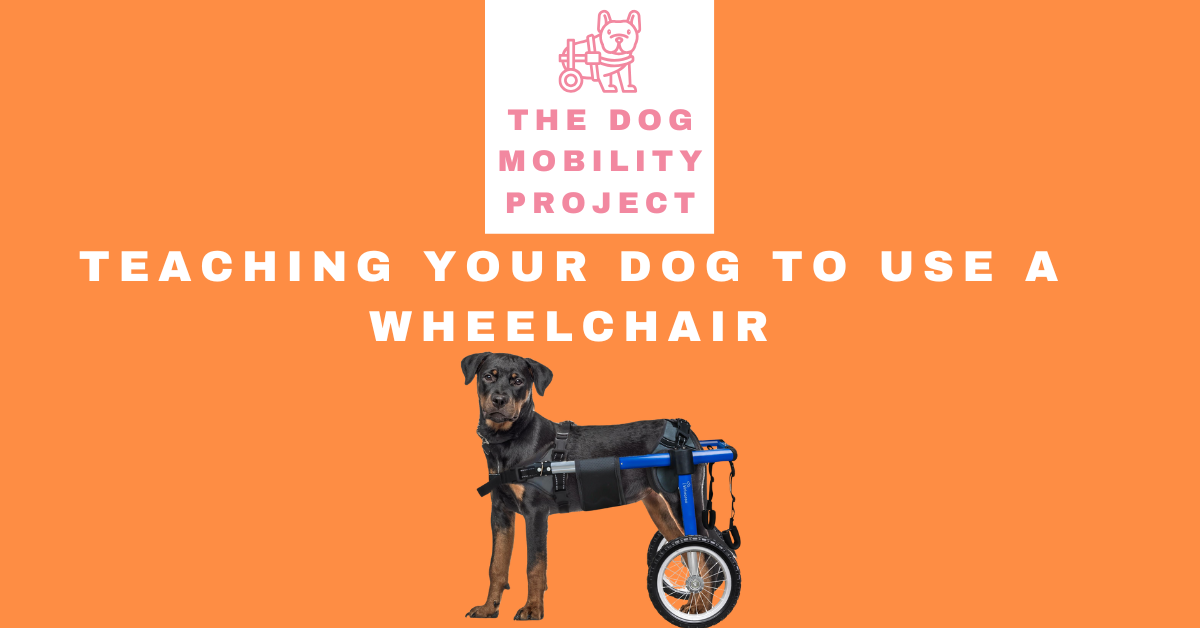
Your first time getting your dog into their new cart can be an incredible experience. However, some dogs may initially resist the idea of using a mobility device. Which can lead to a stressful experience for them (and you). Understanding your dog’s hesitation and guiding them through the transition with patience and positive reinforcement is key to helping them regain their confidence and independence.
Here, we’ll walk you through the process of introducing your dog to a wheelchair and how to ease your dog’s transition into a life on wheels.
Understanding Your Dog’s Resistance
The first step is understanding why your dog might not accept the cart right away. Dogs rely heavily on their instincts and routine. When faced with a new experience, especially one that alters their movement, it’s completely natural for them to be unsure of their new wheelchair. Common reasons dogs resist wheelchairs include:
- Fear of the unknown – The wheelchair is a foreign object, and its presence can be intimidating. If your dog has never worn a harness or clothing, the simple act of wearing the wheelchair harness may be a new experience for them.
- Discomfort with movement changes – Dogs who have adjusted to limited mobility (and even those who haven’t) may find the new sensation strange, and if the cart’s not fitted correctly, it can be uncomfortable.
- Previous pain associations – If a dog has been struggling with mobility issues, they may associate movement with pain and be reluctant to try something new. If they’ve learned that every step hurts, they may avoid walking altogether to avoid pain.
- Sensory overload – The sound, feel, and even wearing the harness and being attached to the wheelchair can be overwhelming at first. A wheelchair feels different, your dog may feel too contained, they may be scared of the sound of the wheels, or even feel like the wheelchair is “following” them.
All of these scenarios can leave a dog scared and nervous, so you’ll need to do everything in your power to help them feel comfortable around their new cart.
It’s Normal for Dogs to Be Unsure at First
Many pet parents worry that their dog “hates” the wheelchair after the first introduction. In reality, most dogs are simply trying to understand a completely new experience.
Imagine suddenly being asked to walk while wearing unfamiliar equipment. You would probably stop, look around, and test how it feels before moving confidently. Dogs often respond the same way.
Some dogs begin walking immediately, while others need several short practice sessions before they feel comfortable.
Initial hesitation does not mean your dog will never accept the wheelchair.
Patience, encouragement, and positive experiences usually produce much better results than trying to rush the process.
The First Goal Isn’t Walking—It’s Confidence
One of the biggest mistakes owners make is expecting a long walk on day one.
Instead, focus on helping your dog feel safe.
During the first few sessions:
- Let your dog wear the wheelchair for a few minutes.
- Offer treats and praise.
- Encourage just a few steps.
- End the session before your dog becomes tired or frustrated.
Every positive experience builds confidence for the next session.
Remember, success isn’t measured in distance—it’s measured in progress.
A Step-by-Step Introduction Plan
Day 1
- Allow your dog to see and sniff the wheelchair.
- Put the wheelchair on for just a few minutes.
- Reward calm behavior with treats and praise.
Days 2–3
- Encourage short walks on flat, familiar surfaces.
- Keep sessions between 5 and 10 minutes.
- Celebrate every successful step.
Days 4–7
- Gradually increase walking time.
- Introduce gentle turns and different surfaces.
- Continue using positive reinforcement.
Week 2 and Beyond
As your dog becomes more comfortable, begin incorporating the wheelchair into regular walks and outdoor activities.
Every dog progresses at a different pace, so adjust the timeline based on your dog’s comfort and confidence.
Steps to Help Your Dog Adjust to a Wheelchair
1. Introduce the Wheelchair Gradually
Before putting your dog in the wheelchair, allow them to inspect it at their own pace. Leave it in a familiar area where they can sniff and investigate it freely. This will help reduce fear and make it a normal part of their environment. Let them get used to one component at a time, start with the front harness first, breaking down each stage until your dog becomes more comfortable with the cart being a part of their life.
2. Use Positive Reinforcement
Encourage your dog by associating the wheelchair with positive experiences. Offer treats, praise, and affection whenever they interact with it. Rewarding even small steps, such as standing near the wheelchair or allowing you to attach the harness, can build confidence.
Watch your own stress levels too, if you feel your self become upset or frustrated when it comes to getting the perfect fit for your dog’s new wheelchair, stop and give yourself a break. Dogs will pick up on your feelings, if they sense your frustration they may be even more wary of trusting the wheelchair.
3. Start with Short Sessions
The first time your dog uses the wheelchair, keep the session short and in a comfortable environment. Avoid overwhelming them with too much movement at once. Let them stand in it and get used to the sensation before encouraging them to take steps.
This is easier said than done. Most dogs get into their cart for the first time and take off. They’re so excited to be up and moving again that they won’t want to stop, however, being in a wheelchair is a workout. Just because they can walk around the block again, doesn’t mean you should. They are most likely using muscles again that haven’t been used in awhile, so don’t overdue it. Take a break before your dog tires themselves out.
4. Guide Them with Motivation
If your dog is hesitant to walk in their new cart, find something that motivates them. Encourage movement using their favorite toy, treat, or a cheerful voice. Sometimes, having another dog walk alongside them can also encourage movement. If your dog is hesitant to take steps, gently lift their front paws to simulate movement and show them that they can still control their mobility.
5. Ensure Proper Fit and Comfort
More often than not, if a dog is reluctant to walk in their wheelchair it’s because the wheelchair isn’t adjusted correctly. A poorly fitted wheelchair can cause discomfort, making the transition more difficult. Check that the straps, harnesses, and wheels are adjusted correctly. The wheelchair should support their hind end without causing strain on their front legs or back.
Not sure if the wheelchair fits correctly? Many dog wheelchair companies will assess the fit of your dog’s cart through a FaceTime call or look at photos of your dog in the cart and offer advice on what adjustments to make your dog’s cart fit properly. Or check with your veterinarian or canine rehab specialist to help you with the fitting, it’s not available at every practice, but it never hurts to ask!
6. Be Patient and Reassuring
Some dogs take to wheelchairs quickly, while others need more time. Avoid forcing them to move before they’re ready, and never punish hesitation. Instead, continue encouraging them at their own pace, offering reassurance and celebrating small victories.
7. Create a Routine
Incorporating the wheelchair into daily activities can help normalize it. Start with short walks or playtime in a familiar area and gradually increase the duration. Dogs thrive on routine, and making the wheelchair part of their regular routine will help them adjust more smoothly.
How Long Does It Take a Dog to Adjust to a Wheelchair?
Every dog adapts at their own pace. Some dogs begin walking almost immediately, while others need several short sessions before they feel comfortable.
Use this timeline as a general guide rather than a strict schedule.
| Timeframe | What You May Notice | How You Can Help |
|---|---|---|
| First Session | Standing still, looking back at the wheelchair, taking hesitant steps, or refusing to move. | Keep the session to 5–10 minutes. Offer treats, praise, and allow your dog to explore at their own pace. |
| Days 2–3 | More curiosity, a few confident steps, less hesitation. | Practice on flat, familiar surfaces. Celebrate every success and avoid long walks. |
| Days 4–7 | Longer periods of walking, smoother movement, increased confidence. | Gradually increase walking time while continuing to use positive reinforcement. |
| Week 2 | Many dogs begin treating the wheelchair as a normal part of their routine. | Introduce new environments, gentle turns, and longer outings if your dog remains comfortable. |
| Weeks 3–4 | Most well-fitted dogs have developed a consistent routine and move more naturally in the wheelchair. | Continue regular exercise, monitor fit, and make small adjustments if needed as your dog’s condition changes. |
Remember: Every dog is different. Age, diagnosis, personality, previous mobility, and wheelchair fit all influence how quickly a dog adapts. The goal isn’t to reach a milestone by a certain day—it’s to build confidence through positive experiences.
Progress Isn’t Always Linear
It’s completely normal for your dog to have a great session one day and seem hesitant the next.
Factors such as fatigue, weather, pain levels, unfamiliar environments, or simple distraction can all affect your dog’s confidence.
Instead of measuring success by how far your dog walks, look for gradual improvements such as:
- Walking more willingly than last week.
- Needing less encouragement to get started.
- Becoming excited when the wheelchair comes out.
- Exploring instead of standing still.
- Recovering more quickly after walks.
Small improvements often lead to significant gains over time.
Signs Your Dog Is Becoming More Comfortable
It’s often the small changes that show your dog is adapting.
Look for signs such as:
- Walking more willingly.
- Looking forward instead of back at the wheelchair.
- Taking smoother, more natural steps.
- Wagging their tail during walks.
- Exploring their surroundings.
- Becoming excited when the wheelchair comes out.
These are all encouraging signs that your dog is gaining confidence.
Common Mistakes That Slow Progress
Learning to use a wheelchair is a process. Avoid these common pitfalls:
Starting with walks that are too long
Short, positive sessions are far more effective than long outings that leave your dog exhausted.
Practicing on difficult terrain
Begin on smooth, level surfaces before introducing hills, gravel, or uneven ground.
Constantly adjusting the wheelchair
If something seems off, make one small adjustment at a time. Multiple changes make it difficult to know what actually improved the fit.
Comparing your dog to others
Some dogs adapt in minutes. Others take days or weeks. Both are completely normal.
When to Take a Break
Not every session will go perfectly.
Stop and give your dog a break if they:
- Become overly frustrated.
- Lie down repeatedly.
- Begin panting heavily.
- Show signs of fatigue.
- Seem anxious or overwhelmed.
Ending on a positive note—even after only a few successful steps—is often better than pushing through a difficult session.
How You Can Build Your Dog’s Confidence
Dogs often take emotional cues from their owners.
If you remain relaxed, patient, and encouraging, your dog is more likely to approach the experience with confidence.
Simple ways to encourage success include:
- Speaking in a cheerful voice.
- Offering favorite treats.
- Walking alongside your dog.
- Letting another family member call your dog forward.
- Practicing in familiar environments.
- Keeping sessions fun rather than goal-oriented.
Confidence grows through positive repetition.
When Resistance May Signal a Problem
Some resistance is normal, but persistent refusal to move may indicate that something needs attention.
Consider checking:
- Is the wheelchair adjusted correctly?
- Is your dog’s back level?
- Are the leg rings comfortable?
- Is any part of the harness rubbing?
- Does your dog appear painful even outside the wheelchair?
If your dog consistently resists despite several positive training sessions, consult your veterinarian or the wheelchair manufacturer to review the fit. Sometimes a small adjustment can make a dramatic difference.
Celebrate Small Victories
Learning to use a wheelchair is a journey—for both you and your dog.
The first successful step.
The first trip across the yard.
The first walk around the block.
These moments may seem small, but together they represent something much bigger: your dog regaining confidence and independence.
Some dogs adapt almost immediately. Others need more time, patience, and encouragement. Neither experience is unusual.
With a properly fitted wheelchair, consistent positive reinforcement, and guidance from your veterinarian or rehabilitation professional, many dogs go on to enjoy walks, adventures, and everyday activities they may have otherwise missed.
FAQ
Why does my dog just stand still in the wheelchair?
This is one of the most common reactions. Your dog is simply processing a new sensation and learning how the wheelchair moves. Encouragement, treats, and short practice sessions usually help build confidence over time.
Should I pull my dog forward with the leash?
No. Avoid dragging or pulling your dog. Instead, encourage movement with treats, toys, praise, or by having another person call your dog toward them. The goal is for your dog to choose to move rather than being forced.
My dog walked yesterday but won’t today. Is that normal?
Yes. Learning isn’t always linear. Some days your dog may feel more confident than others, especially if they’re recovering from an injury or adapting to new equipment. Continue with short, positive sessions and monitor for signs of discomfort.
What if my dog never enjoys the wheelchair?
While most dogs adapt well when the wheelchair fits properly and training is gradual, not every mobility aid is appropriate for every dog. If your dog continues to struggle, work with your veterinarian, a canine rehabilitation professional, or the wheelchair manufacturer to evaluate the fit and determine whether a different type of support would better meet your dog’s needs.
Related Articles





Leave a Reply