The French Bulldog has been the most popular dog breed in the United States for two consecutive years, taking the top spot from Labrador Retrievers in 2022 after their 31-year reign. According to the American Kennel Club, the French Bulldog’s popularity has been rapidly growing, rising from the 14th most popular breed in 2012 to the #1 spot in 2022. The breed’s registrations have increased by 1,000% over the past decade, with around 108,000 French Bulldogs recorded in the U.S. in 2022, surpassing Labrador Retrievers by over 21,000.
French Bulldogs are known for their affectionate nature, compact size, and distinctive bat-like ears. Like all popular breeds, with their rise in popularity comes the risk of overbreeding and an increase in health risks. The breed has become prone to a variety of health issues, many of which can impact their mobility. Understanding the causes of mobility loss in French Bulldogs can help pet parents make informed decisions about their care, ensuring these dogs live happy and active lives.
Common Health Issues Leading to Mobility Loss
French Bulldogs are predisposed to several genetic and structural conditions that can lead to mobility challenges. Some of the most common include:
- Intervertebral Disc Disease (IVDD): This condition occurs when the cushioning discs between the vertebrae of the spine deteriorate, causing pain, nerve damage, and even paralysis.
- Hip Dysplasia: A malformation of the hip joint, hip dysplasia can lead to pain, arthritis, and difficulty moving, particularly as the dog ages.
- Degenerative Myelopathy (DM): A progressive neurological disease that affects the spinal cord, DM leads to weakness in the hind legs and eventually complete paralysis.
- Luxating Patella: A condition where the kneecap slips out of place, making walking difficult and sometimes painful.
Each of these conditions can significantly impact a French Bulldog’s ability to walk, run, and play, making mobility support crucial for affected dogs.
The Breathing Connection: Why French Bulldogs Struggle to Breathe
One of the most well-known health challenges French Bulldogs face is their difficulty breathing. This is due to their brachycephalic (short-nosed) skull structure, which contributes to a condition known as Brachycephalic Obstructive Airway Syndrome (BOAS). BOAS results from a combination of anatomical abnormalities, including:
- Narrowed nostrils (stenotic nares) that restrict airflow.
- An elongated soft palate that partially blocks the airway.
- A narrowed trachea (windpipe), making it harder for air to pass through.
These breathing issues mean that French Bulldogs can struggle with exercise, overheating, and even daily activities like eating or sleeping. Limited oxygen intake can also contribute to fatigue, which can further exacerbate mobility issues.
French Bulldog Wheelchairs: How They Work and Why They’re Beneficial
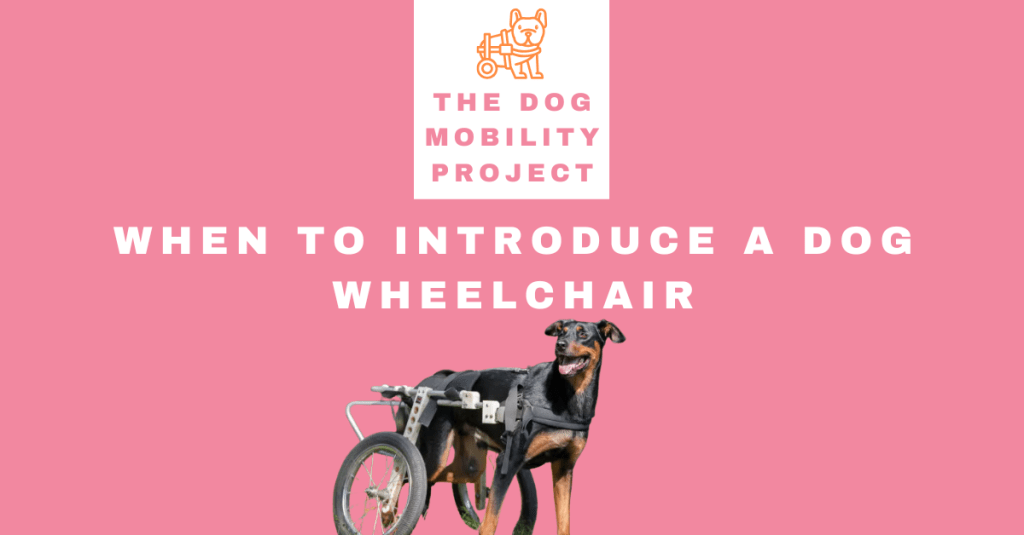
For French Bulldogs experiencing mobility loss, a wheelchair can be a game-changer. Canine wheelchairs are designed to support dogs with hind-leg weakness or paralysis, allowing them to stay active and maintain their quality of life.
How Wheelchairs Work:
- Supportive Frame: A lightweight frame supports the dog’s hindquarters, relieving pressure from weakened or paralyzed limbs.
- Adjustable Harness: A secure harness keeps the dog comfortable and stable while moving. Some Frenchies may require a different style of harness to accommodate their broad chests; if a different wheelchair harness is needed, I recommend either the Warrior Harness or the Small Front Vest by Walkin’ Pets.
- Durable Wheels: Designed for smooth movement, the wheels allow dogs to walk, run, and explore with ease.
Due to their stocky build, most Frenchies will need a small wheelchair; however, the frame needs to be durable enough to support their weight. And this can be difficult to find in smaller carts as most are designed to support toy breeds. My favorite wheelchair for a French Bulldog is the Small Walkin’ Wheels wheelchair. I, personally, have fit countless Frenchies in this style of wheelchair and have found them easily adapted to fit the breed’s broad chests and give them the support they need. Because French Bulldogs are muscular and weigh more than most small dogs, make sure to choose one with an 8″ wheel–this will give them a nice, smooth ride.
Benefits of a Wheelchair for French Bulldogs:
- Maintains Independence: Allows dogs to move freely without dragging their hind legs.
- Prevents Further Injury: Reduces strain on other joints and muscles, preventing compensatory injuries.
- Boosts Mental Well-being: Keeps dogs engaged, active, and happy.
- Improves Overall Health: Encourages exercise, which helps with circulation, digestion, and muscle tone.
For French Bulldog owners, investing in a wheelchair can make a significant difference in their dog’s daily life, ensuring they continue to enjoy adventures and companionship without limitations.
Final Thoughts
Mobility loss in French Bulldogs can be challenging, but with the right care, support, and adaptive equipment like wheelchairs, these resilient dogs can continue to lead fulfilling lives. Regular veterinary check-ups, weight management, and early intervention for mobility issues can all contribute to keeping your Frenchie as active and comfortable as possible. Whether facing IVDD, hip dysplasia, or another mobility-related condition, French Bulldogs can still thrive with the right resources and love from their caregivers.





 The Dog Mobility Project
Leave a comment