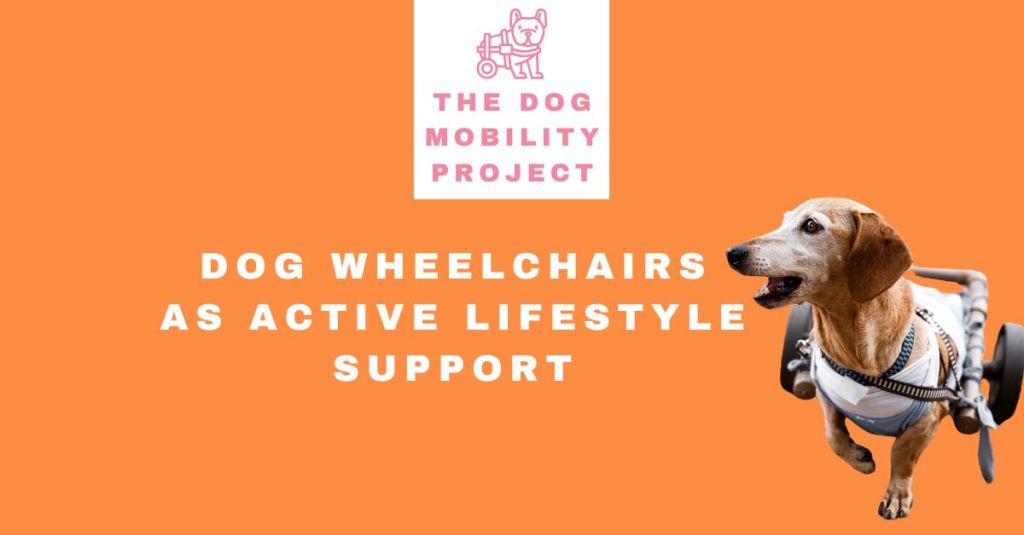
When people first hear about dog wheelchairs, a common misconception often surfaces: “Won’t a wheelchair make my dog lazy?”
It’s an understandable question since most people have only seen human wheelchairs used as mobility aids for individuals who can no longer walk. So we have this preconceived idea that once you’re in a wheelchair, you’ll never use your legs again. That wheelchairs = wasting away and losing muscle mass. But when it comes to dogs, the reality is far different.
Far from being limiting, dog wheelchairs are transformative tools that help dogs walk, run, and stay active longer. Yes, paralyzed dogs use wheelchairs, but not every dog that benefits from a cart is paralyzed. Some can still use their back legs but need help standing and walking.
Why Do Dogs Use Wheelchairs?
Dogs may need wheelchairs for a variety of reasons, including:
- Degenerative conditions like Intervertebral Disc Disease (IVDD) or Degenerative Myelopathy (DM).
- Injury or recovery from surgery.
- Congenital disabilities or amputations.
- Arthritis or age-related mobility challenges.
In all these scenarios, a dog can greatly benefit from using a cart. The wheelchair’s purpose is to support your dog and help them stay active, not to limit them. A wheelchair empowers dogs to regain their independence and engage in the activities they love.
The Active Lifestyle Myth
The notion that a wheelchair could make a dog lazy stems from the assumption that a wheelchair reduces a dog’s need to use their muscles. However, the opposite is true. Dog wheelchairs encourage dogs to:
- Walk and run: Wheelchairs provide support for weakened or paralyzed limbs, enabling dogs to move around comfortably.
- Play: Many wheelchair users enjoy games of fetch, chase, or simply exploring their environment.
- Exercise regularly: Increased mobility leads to healthier joints, better circulation, and weight management.
In essence, a wheelchair restores the ability to move. The wheelchair supports a dog’s hind end from underneath, allowing the dog to stand upright in a natural position without placing too much strain on its legs. Wheelchairs reduce the pressure a dog places on their hips, knees, and back legs. So that a dog dealing with a torn ACL or hip pain may find it easier to move pain-free. Their feet can still touch the ground, and they can still move their legs, but the wheelchair supports the bulk of their weight and reduces the pressure on the dog’s back legs. Allowing them to walk without further injuring themselves or placing too much weight on legs that can’t support them.
How Wheelchairs Enhance Happiness
Mobility directly impacts a dog’s emotional well-being. Dogs thrive on exploration, interaction, and play—all of which are curtailed when mobility is restricted. By enabling movement:
- Dogs experience less frustration and boredom.
- They maintain their social bonds by participating in family activities.
- They regain a sense of purpose and independence.
Tips for Success with a Dog Wheelchair
To make sure that your dog takes to a life on wheels, there are a few simple things that will help ease the transition and make sure the wheelchair works for them, including:
- Choose the right fit: Ensure the wheelchair is properly sized for your dog’s breed, weight, and mobility needs.
- Introduce gradually: Give your dog time to adapt to the device with short sessions and plenty of positive reinforcement.
- Monitor their activity: Encourage a balance of activity and rest to prevent overexertion.
- Maintain the device: Regularly check the wheelchair for wear and tear to ensure your dog’s comfort and safety.
A Tool for Empowerment
Dog wheelchairs are not about limitation—they’re about liberation. These devices help dogs live fuller, more active lives, proving that mobility challenges don’t have to stand in the way of joy and vitality. For pet parents considering a wheelchair for their dog, know this: you’re not just giving your pet a mobility aid. You’re giving them a second chance at a vibrant, active lifestyle.





 The Dog Mobility Project
Leave a comment