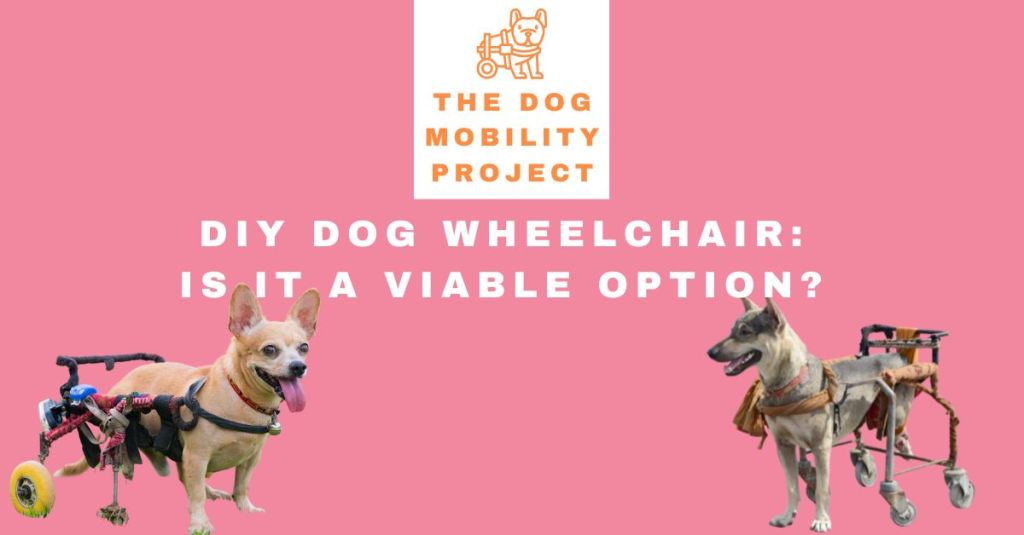
Over my years working for a dog wheelchair company, people often asked about building their own DIY dog wheelchair. But is it a viable option? Let’s explore the pros and cons and what you should keep in mind if you’re considering this path.
The Appeal of DIY Dog Wheelchairs
The primary reason pet parents consider building a wheelchair for their dog is cost. Custom-made or professionally manufactured dog wheelchairs can be expensive, especially for larger breeds or specialized designs. A DIY approach can be a budget-friendly alternative, particularly if you’re handy and can access the right tools and materials.
Other benefits include:
- Customization: You can design the wheelchair to fit your dog’s unique measurements and needs.
- Immediate Solution: If you’re in a pinch, a DIY wheelchair can provide a temporary mobility aid while you plan for a more permanent solution.
- Satisfaction: There’s a sense of accomplishment in creating something that directly benefits your pet.
Challenges of Building a DIY Wheelchair
While DIY dog wheelchairs might be the right solution for some families, they come with their own set of challenges:
- Safety Concerns: A wheelchair that is improperly balanced or poorly constructed can cause discomfort, worsen mobility issues, or even lead to injuries.
- Durability: Materials sourced for a DIY wheelchair may not be as sturdy as those used in professionally made options, leading to potential wear and tear.
- Adjustability: Dogs often require adjustments as they grow or if their mobility condition changes. Many DIY designs lack the flexibility to adapt over time.
- Expertise Needed: A certain level of technical skill is required to ensure the wheelchair is functional and safe.
Key Considerations Before You Start
If you’re thinking about building a DIY wheelchair for your dog, here are a few things to keep in mind:
- Measure Accurately: Precise measurements of your dog’s height, width, and length are crucial to ensure a proper fit.
- Use High-Quality Materials: Lightweight yet durable materials, PVC pipes, and sturdy wheels are often used. For smaller dogs, a 3D printer may work to build a cart.
- Consult a Vet: Before starting your project, talk to your veterinarian about your dog’s specific mobility needs and whether a DIY solution is appropriate.
- Follow Reliable Plans: Look for detailed and vetted instructions from trusted sources to guide your build. A lot of information is available online, and not all of them are tried and true.
- Test Thoroughly: Once complete, carefully test the wheelchair to make sure it’s stable and comfortable for your dog and provide them support where they need it.
When a DIY Option May Not Be the Best Choice
For dogs with complex mobility issues or unique medical needs, a professionally designed wheelchair might be the better option. Companies specializing in pet mobility aids have the experience and technology to create products that are safe, effective, and tailored to your dog’s requirements.
A poorly fitted wheelchair may not provide the right level of support, can chafe your dog, or may cause more harm than good. Additionally, time constraints or a lack of technical skills can make a DIY project overwhelming.
In the long run, it’s worth investing in a ready-made wheelchair. Not only can it save you stress, but a wheelchair designed by experts will ensure your dog gets the best possible support. On multiple occasions, I’ve had people call me and tell me that they only need wheelchair parts because they plan to build their own, and without fail, they call back in a few weeks to buy one that’s already made.
Final Thoughts
A DIY dog wheelchair can be a viable option for pet parents who are resourceful, patient, and willing to put in the work. However, it’s essential to prioritize your dog’s safety and comfort above all else. Whether you choose to build or buy, the goal is the same: to give your furry friend the mobility and quality of life they deserve.
Have you built a DIY wheelchair for your dog, or are you considering it? Share your experiences and tips with our community—we’d love to hear your stories!





 The Dog Mobility Project
Leave a comment